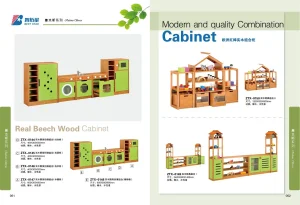
The infrastructure of modern training spaces is undergoing a profound global transition. Dynamic workspace configurations are replacing static classroom blocks to foster interactive collaboration and maximize engagement.
Internationally, standard requirements for commercial training environments have shifted towards structural flexibility and high performance. With the rapid growth of corporate learning hubs, scientific R&D centers, and technical academic institutions, stakeholders demand equipment that satisfies rigorous regulatory standards. Compliance with standards such as ANSI/BIFMA for safety and durability, and EN 1729 for ergonomics, is now a base requirement rather than an added benefit.
Modern facilities require a convergence of physical flexibility, durability, and biological/chemical resilience. In Europe and North America, strict environmental policies mandate the integration of eco-friendly, low-VOC emitting materials (such as GreenGuard certified MFC boards) and highly specialized seating solutions designed to prevent long-term musculoskeletal fatigue. Concurrently, specialized industries demand precise engineering, such as electrostatic discharge (ESD) prevention for tech assembly hubs and chemical/pathogen protection in GMP laboratories.
| Facility Type | Core Technical Requirements | Global Compliance Standards |
|---|---|---|
| Academic & K-12 | Ergonomic posture support, height adjustability, anti-topple frames | EN 1729, ANSI/BIFMA X5.5 |
| Scientific & Lab | Acid/alkali resistance, anti-bacterial surfaces, GMP compatibility | SEFA 8, EN 14727 |
| ESD Tech Workstations | Stable ground path, antistatic surfaces (10^6 to 10^9 ohms) | IEC 61340-5-1, ANSI/ESD S20.20 |
| Corporate Training | High-density nesting, stackability, integrated connectivity hubs | ANSI/BIFMA X5.1 (Seating) |
China’s dominance in the institutional furniture sector relies on ecosystem cluster benefits, advanced machinery, and highly optimized raw material access.
Industrial ecosystems like Shenzhen and Foshan cluster steel extrusion mills, polymer compounding hubs, and high-performance powder coating lines within a 50km radius. This geographic concentration minimizes transit times, lowers assembly costs, and supports flexible supply chain modifications.
Automated manufacturing lines, including robotic laser cutters and continuous powder-spray pipelines, reduce manual production overhead. These efficiencies are passed on to global procurers as lower unit costs, even when matching custom specifications.
Leading Chinese exporters maintain in-house mechanical testing rigs. Dynamic weight load testing, surface scratch resistance assessments, and finish adhesion tests are standard procedures, ensuring products arrive at international ports ready for commercial installation.
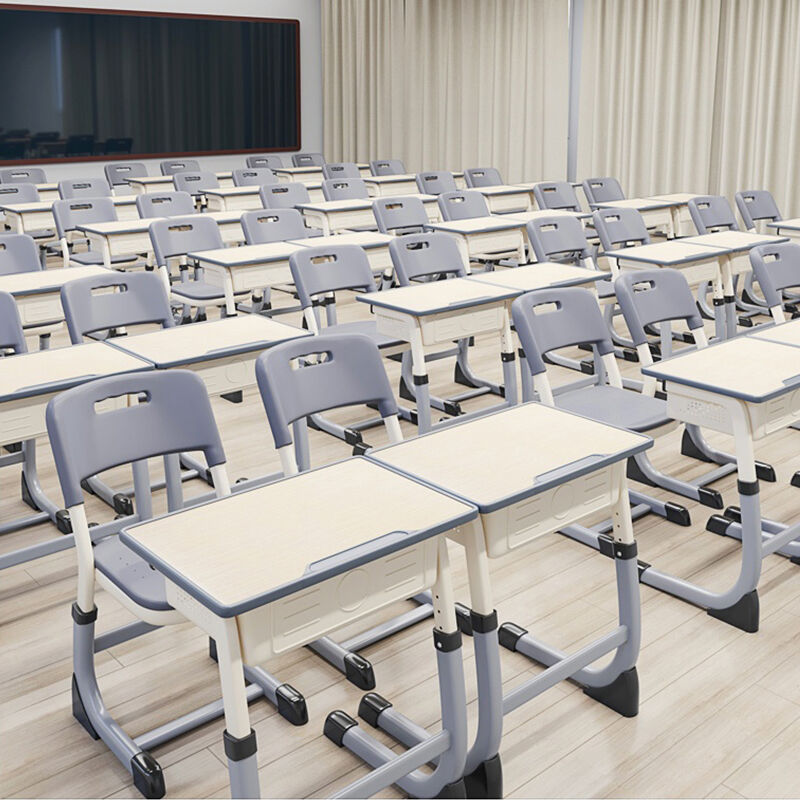
Shenzhen Rimkok Furniture Co., Ltd. specializes in the design, development, production, and sales of high-quality furniture for schools, offices, and student accommodations.
With a dedicated production facility spanning over 10,000 square meters, our company is home to more than 120 skilled employees who work diligently to ensure the highest standards in quality and craftsmanship. We are equipped with state-of-the-art production lines, including steel-wood furniture lines, spray molding lines, and drying rooms, all designed to meet the increasing demand for durable and functional furniture.
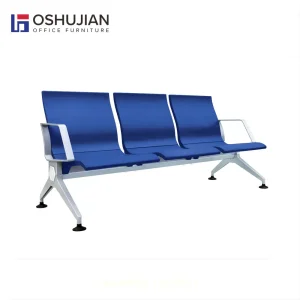
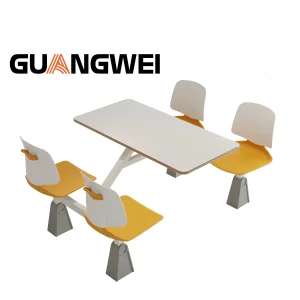
Through years of commitment and innovation, we have gained valuable experience in the production and sales of school and office furniture, making us a trusted partner in the global industry. Our product range includes steel and wood desks and chairs, plastic desks and chairs, iron-frame beds, dining tables and chairs, row chairs, solid wood tables, office furniture, and student apartment beds.
Our specialized furniture ranges are designed to meet the technical demands of specific commercial, educational, and scientific environments.
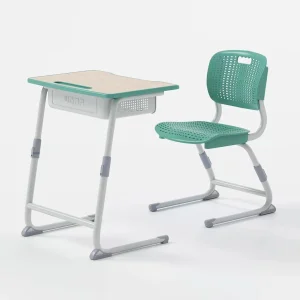
Educational spaces require highly durable furniture built for long hours and frequent reconfiguration. Features like height-adjustable systems accommodate growing student demographics, while robust materials withstand daily institutional use.
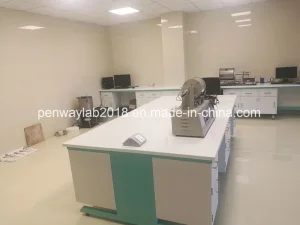
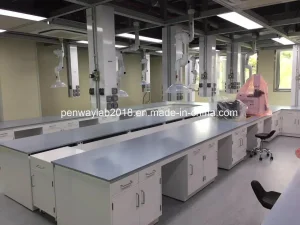
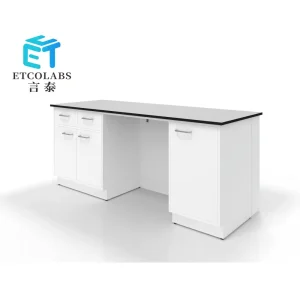
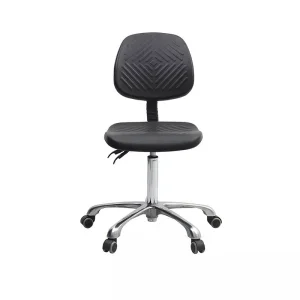
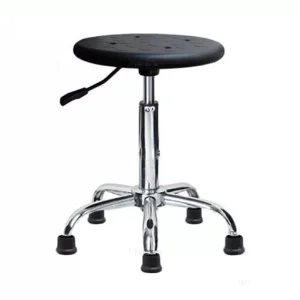
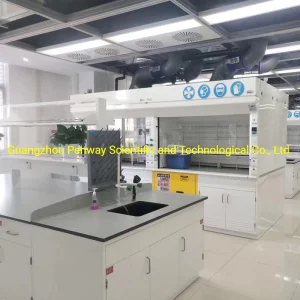
Laboratory furniture must offer robust protection against environmental hazards. Phenolic resin tops resist acid and alkaline splashes, while anti-static (ESD) laboratory seating prevents charge accumulation, protecting sensitive electronic instrumentation.
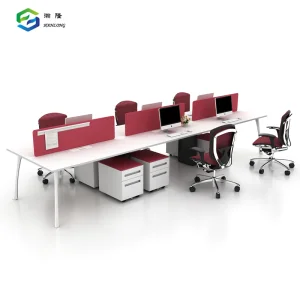
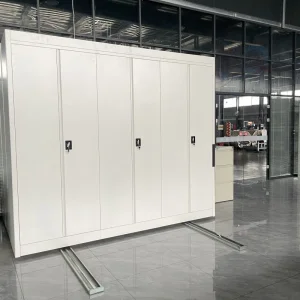
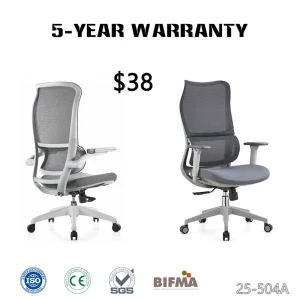
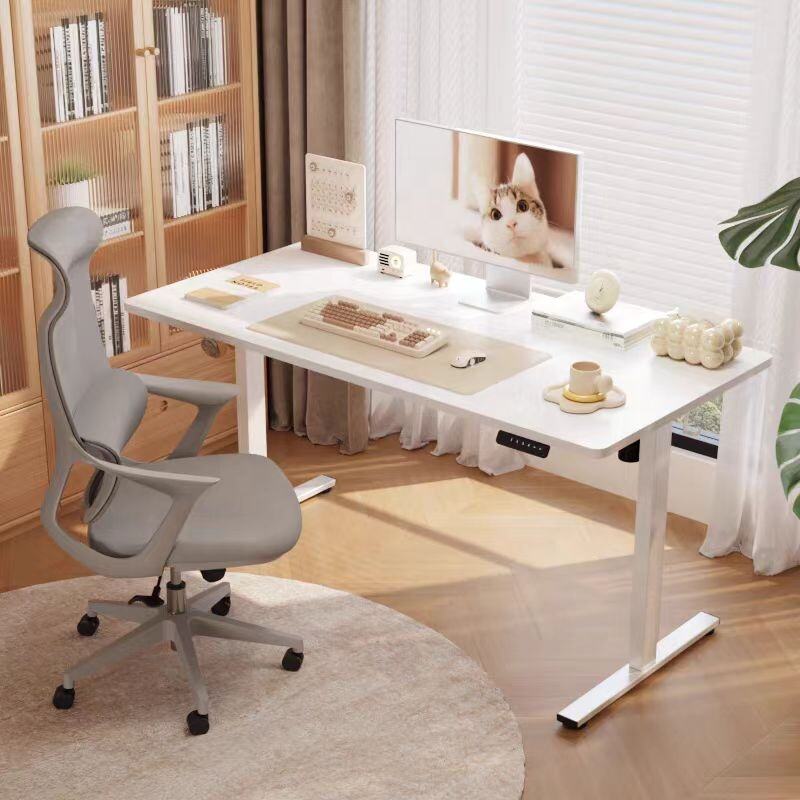
Modern corporate offices use modular workspaces and stackable meeting chairs to support layout flexibility. High-density storage and compact mobile shelving maximize square-footage utility in high-traffic administrative offices.
The design of professional training environments is changing to meet the demands of hybrid work models, strict sanitation standards, and sustainability targets.
Key market developments include:
Rimkok keeps pace with these shifts by updating our material formulations and manufacturing machinery, ensuring our products comply with current safety and environmental requirements.
With over 10 years of international trade experience, Shenzhen Rimkok Furniture Co., Ltd. has established a strong presence in the global market.
Our student desks, chairs, and various furniture solutions are recognized for their reliability, durability, and innovative design. By combining advanced technology, high-quality materials, competitive pricing, and outstanding customer service, we are able to meet the needs of both new and existing customers from all over the world. Our products have been exported to more than 50 countries and regions across the globe.
Find answers to common questions about material specifications, compliance standards, and customization options.
For chemical and pharmaceutical laboratories where contact with strong acids, alkalis, and organic solvents is common, we recommend high-pressure compact phenolic resin tops or polypropylene (PP) surfaces. PP tables offer high chemical resistance and resist pitting or stress cracking. For sterile environments like GMP-standard pharma labs, 304 or 316-grade stainless steel is preferred due to its flat, non-porous structure, which prevents biological growth and allows thorough decontamination.
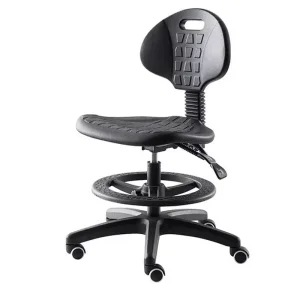
Electrostatic Discharge (ESD) seating utilizes conductive materials, such as anti-static PU leather, integrated metal chains, or specialized aluminum alloy wheels. This design creates a continuous path to ground, discharging static electricity generated by friction. This protection maintains surface resistivity within the recommended range of 10^6 to 10^9 ohms, protecting sensitive electronic components from static damage.
Our height-adjustable student desks and chairs conform to BS EN 1729 specifications, which define suitable dimensions for educational furniture based on age groups. They feature curved backrests for lumbar support, waterfall seat edges to help maintain circulation, and adjustable lock mechanisms to accommodate varying student heights. This helps encourage dynamic sitting postures and reduces physical fatigue.
Yes. With our dedicated in-house design and engineering teams, we provide complete OEM and ODM customization services for institutional bids. We customize board densities (MFC/MDF), steel frame powder-coating colors, and dimension layouts based on bid technical drawings. We also supply supporting documents, including material strength analysis and VOC compliance certificates, to assist with the procurement process.
Standard production times range from 20 to 35 days, depending on order volume and configuration complexity. Our 10,000-square-meter facility, automated steel-wood production machinery, and spray molding lines allow us to handle large-scale volume demands while maintaining quality control.
 Rimkok Furniture