📝
Product Description
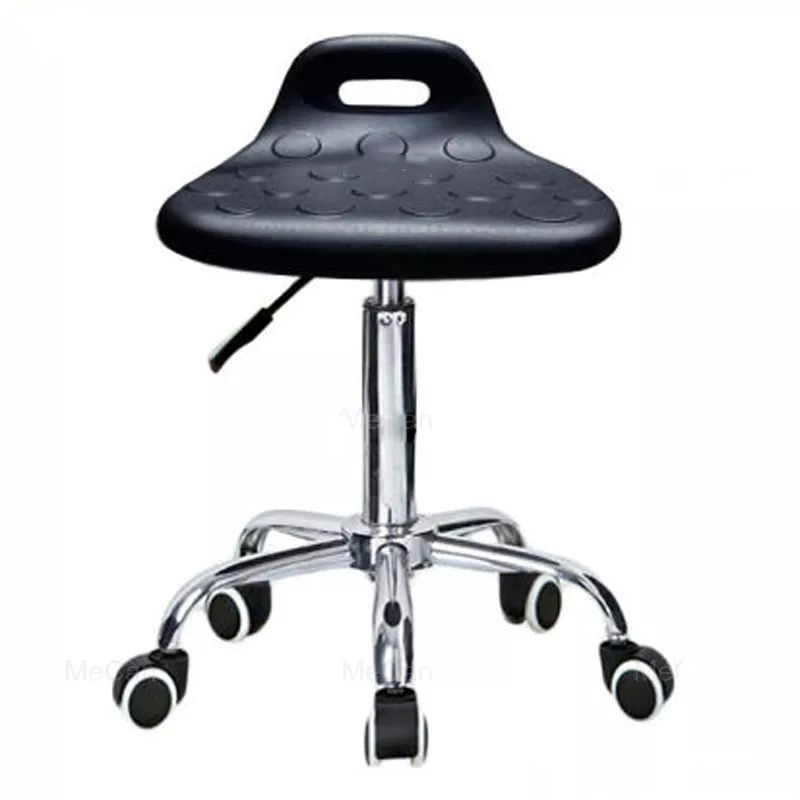
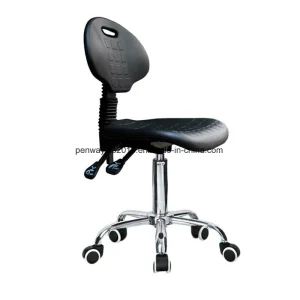
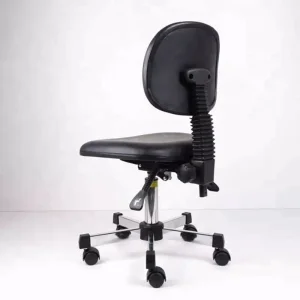
Ergonomics in the lab is just as important as in the office or factory. It is a main contributor to efficiency, health, concentration, and posture. A high-quality, comfortable lab stool is vital to avoid muscular and skeletal injury resulting from bad posture.
The Perfect Sitting Position:
- ✔ Sit with feet flat on the floor or footrest.
- ✔ Maintain a 100-110° reclining position.
- ✔ Push hips as far back into the chair as possible.
- ✔ Keep knees at 90° or less.
💡
Laboratory Selection Guide
Laboratory stools are engineered to suit rigorous environments. Unlike standard seating, purpose-built lab stools are:
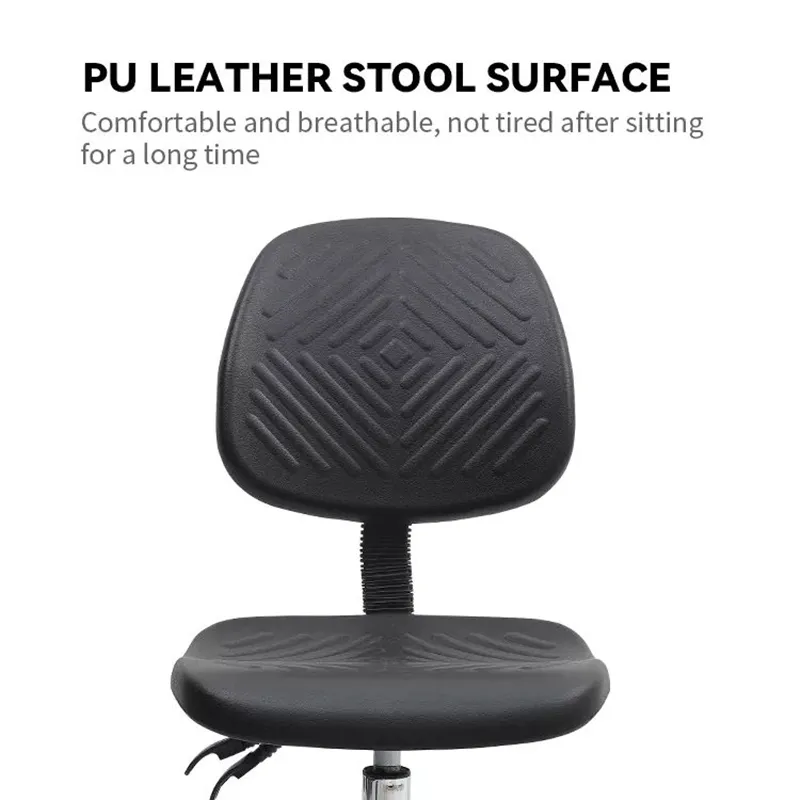
- 🔹 Non-porous: Prevents absorption of liquids.
- 🔹 Wipe-able: Easy to clean and decontaminate.
- 🔹 Anti-bacterial: Resistant to microbial growth.
They are PC2 compliant, meaning surfaces are smooth, impermeable to water, and resistant to cleaning agents.
🔄
Lab Chairs vs. Office Chairs
Height Adjustment
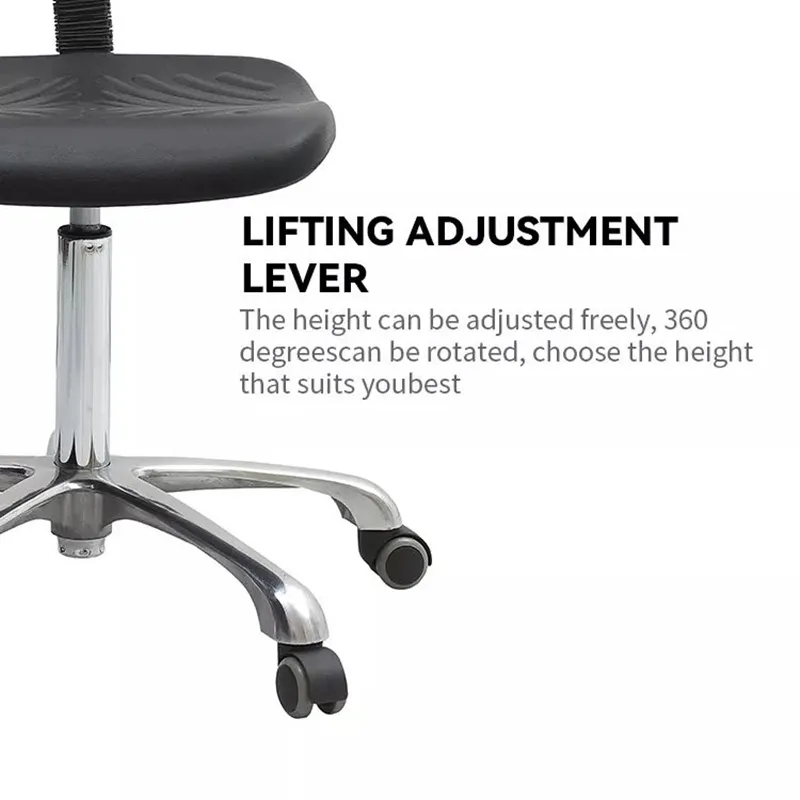
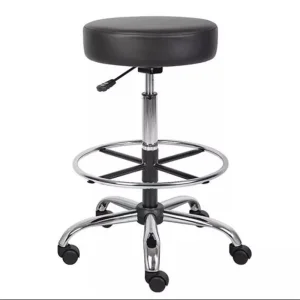
Lab Chairs: Designed for various workstations like hoods and high benches. Feature pneumatic adjustments up to high ranges.
Office Chairs: Limited to standard desk heights; not ergonomically designed for high laboratory benches.
Backrest & Support
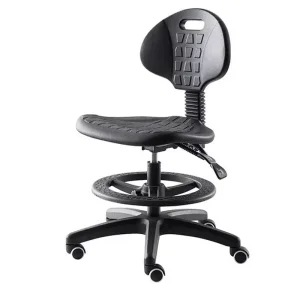
Lab Chairs: Adjustable vertically and horizontally to support the lumbar spine during tasks like pipetting or dissection.
Office Chairs: Not optimized for the specific forward-leaning movements required in lab work.
Seat Tilt
Lab Chairs: Tilt options help lower spine positioning when leaning forward into equipment.
Office Chairs: Stiff seats may cause difficulty when hunching is required for delicate procedures.
❓
Frequently Asked Questions
Why is ergonomics important for laboratory stools?
Ergonomics improves efficiency, concentration, and posture while preventing long-term muscular and skeletal injuries common in static lab work.
What materials are these lab stools made from?
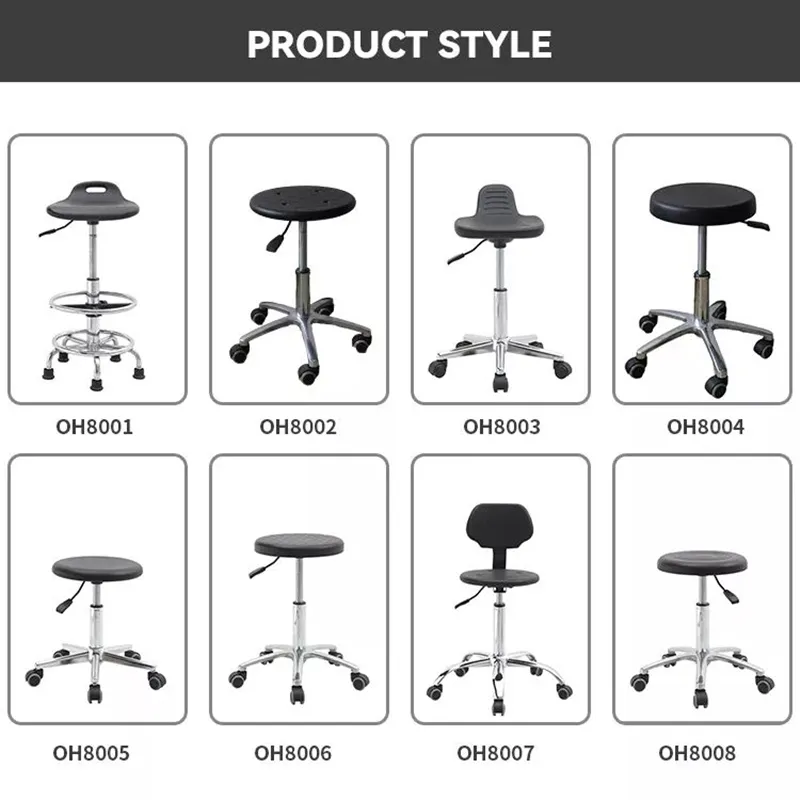
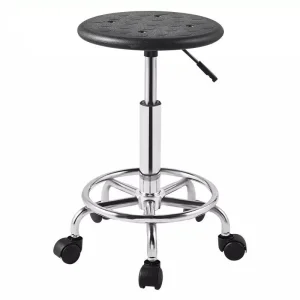
Options include engineered Polyurethane (PU), Polypropylene (PP), Stainless Steel, and Leather, chosen for their durability and decontamination properties.
Are these stools suitable for cleanroom environments?
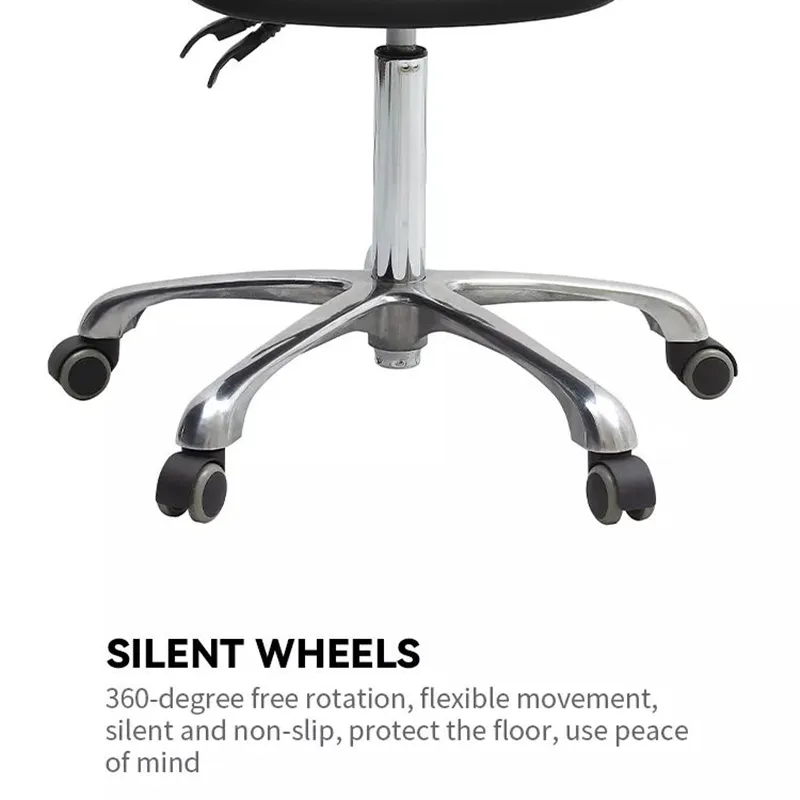
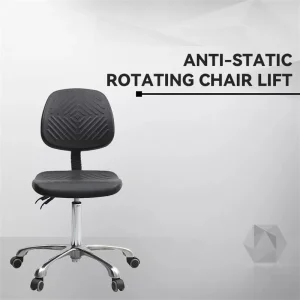
Yes, they are designed with non-porous, anti-bacterial surfaces and anti-static wheels, making them ideal for cleanrooms and bioscience facilities.
Can the height be adjusted for different bench levels?
Absolutely. Our lab stools offer a wide pneumatic adjustment range to suit standard, medium, and high benches or fume hoods.
What certifications do your lab chairs hold?
The products are manufactured under ISO9001 and ISO14001 standards and carry CE certification for quality and safety.
How do laboratory stools ensure student safety in schools?
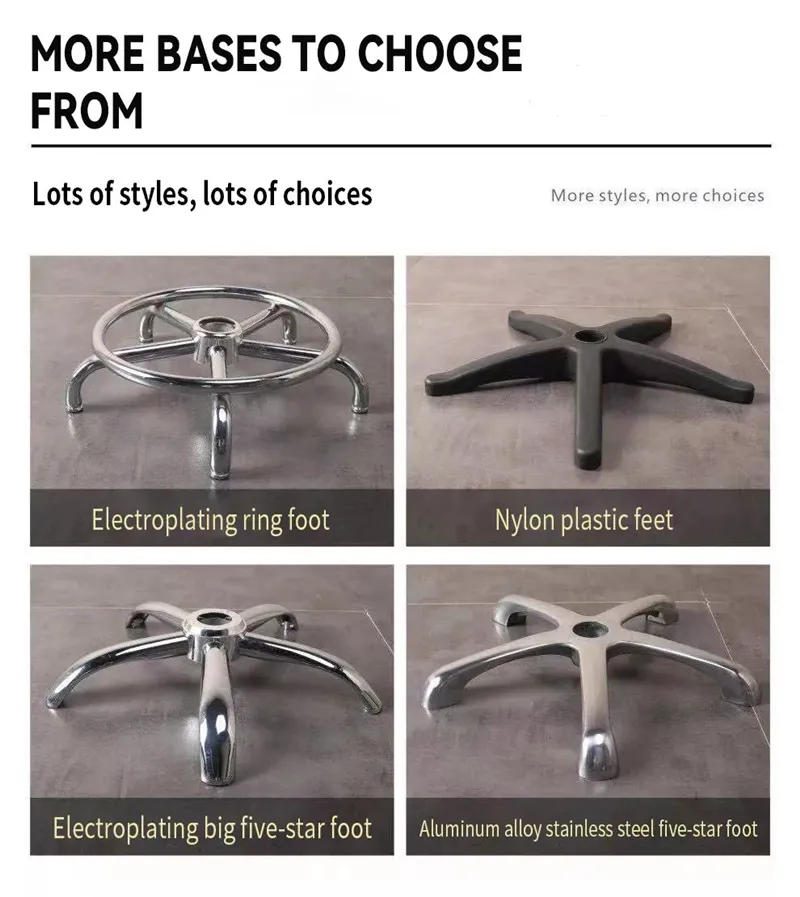
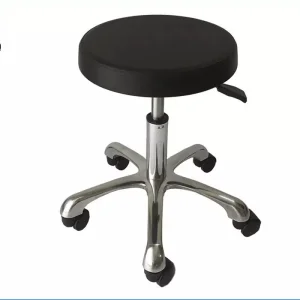
They are built with anti-swing and stable five-star bases to prevent students from rocking or tipping over during use.
 Rimkok Furniture