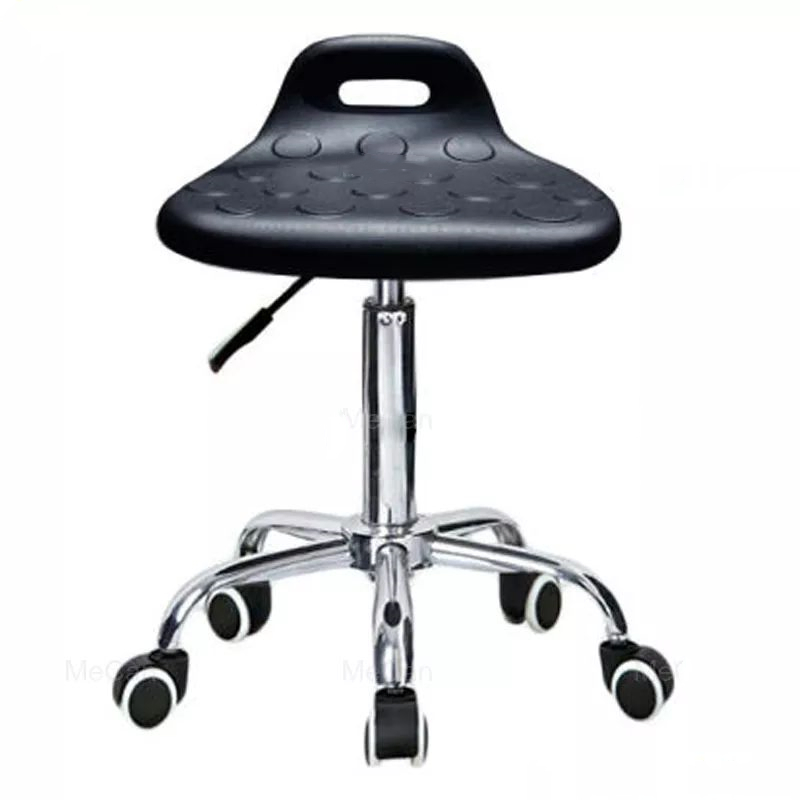
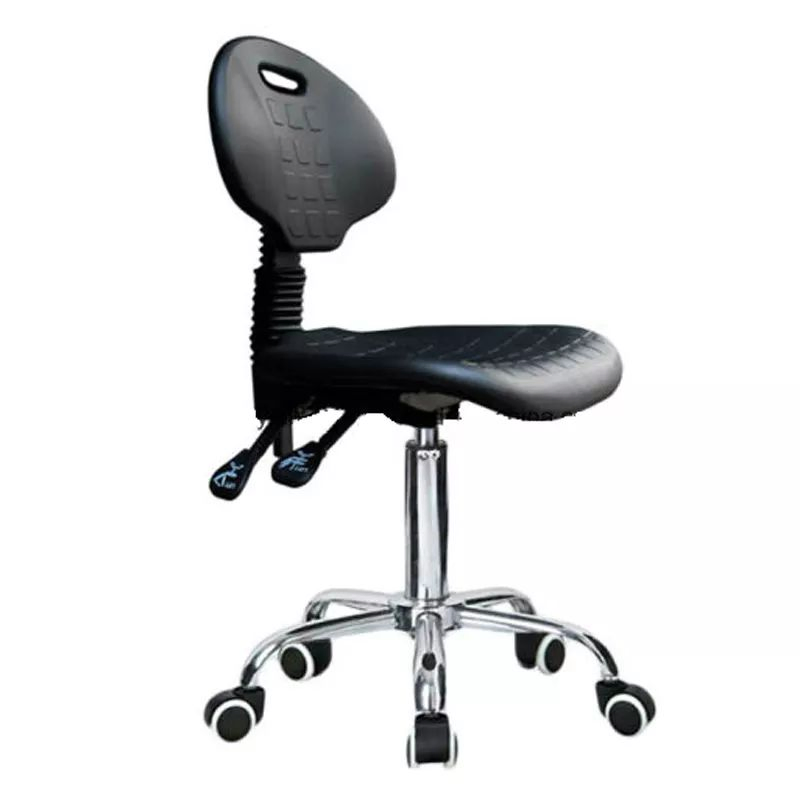
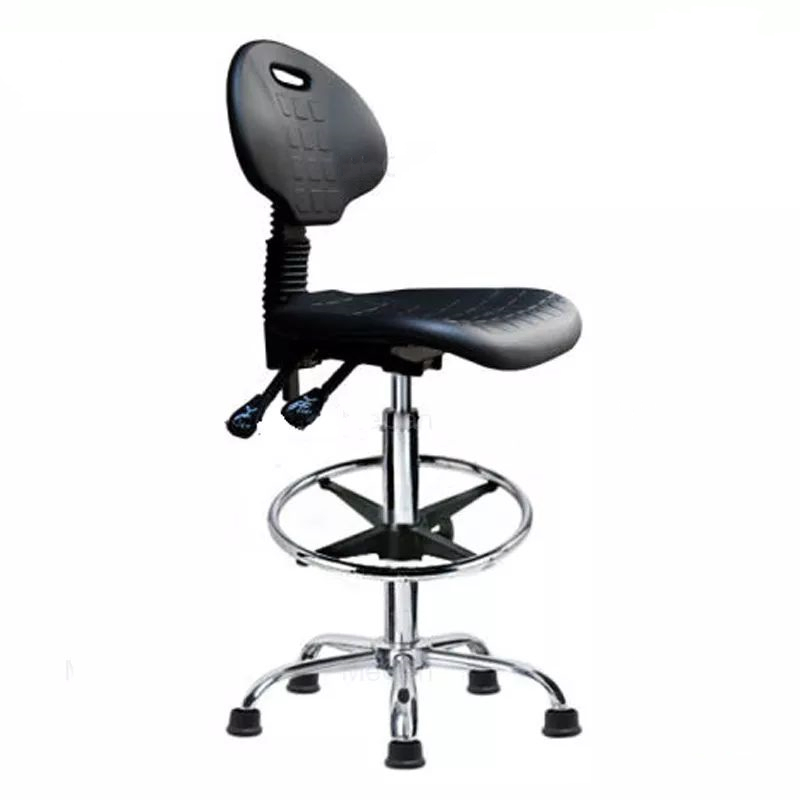
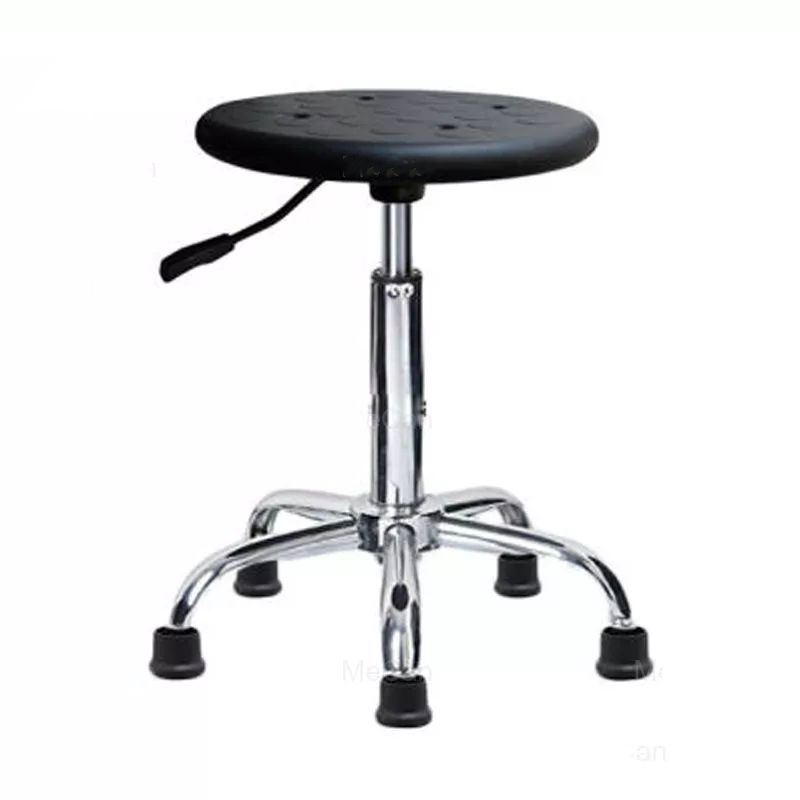
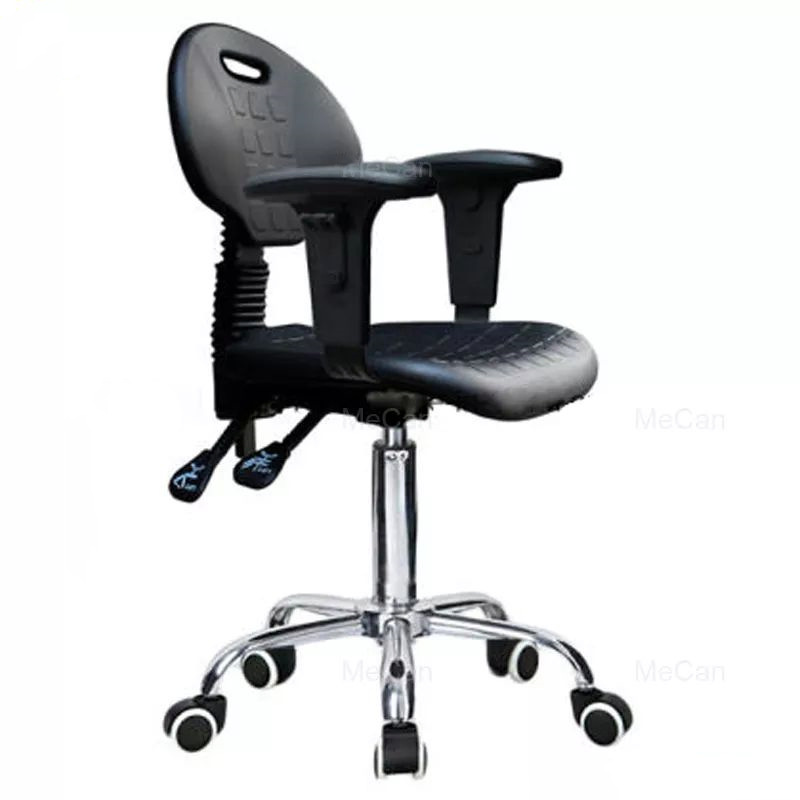
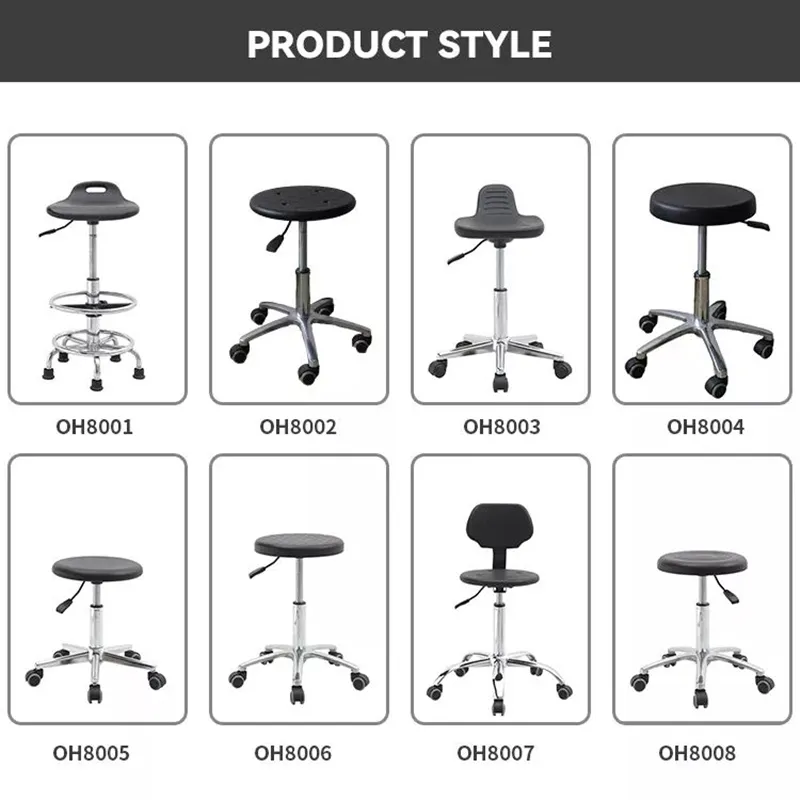
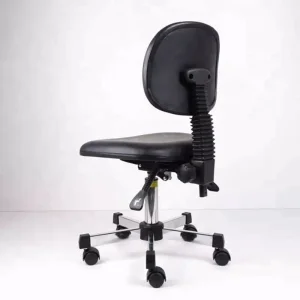
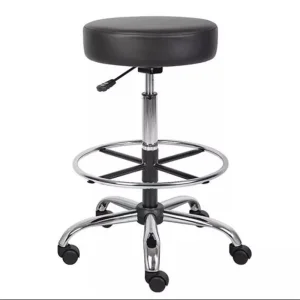
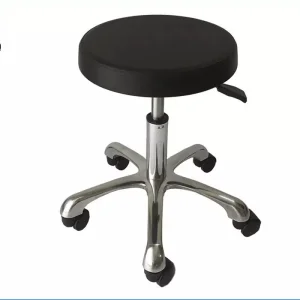
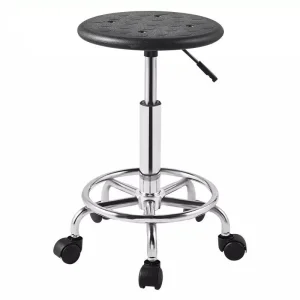
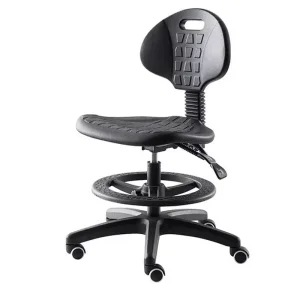
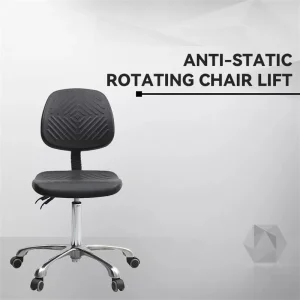
Bar Stools with Wheels Hospital Dental Medical Laboratory Furniture Adjustable Laboratory Chair

Customization: Available
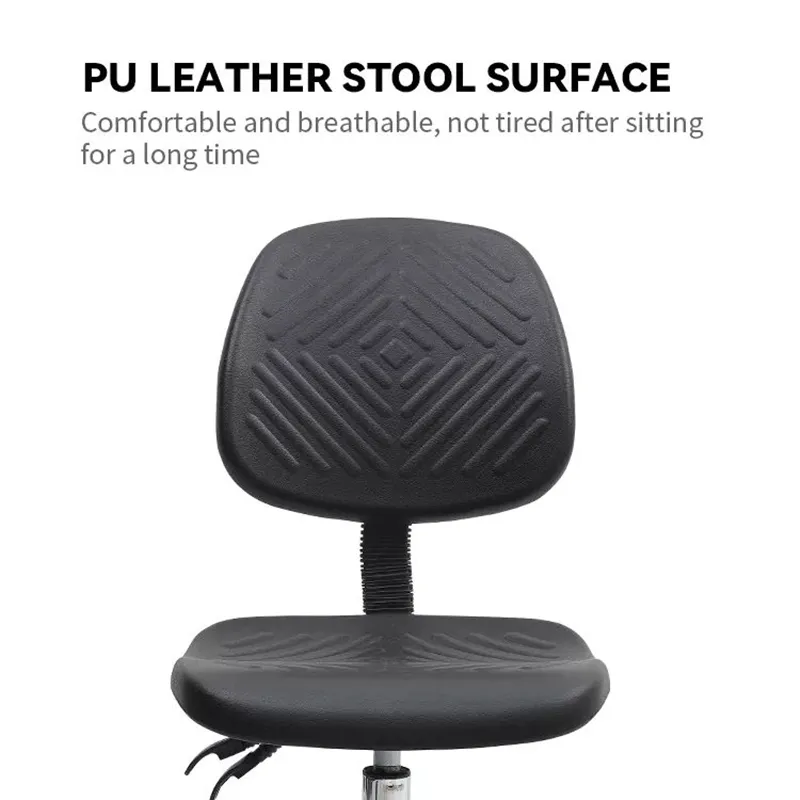
Cushion Material: Leather
Legs Material: Stainless Steel

Product Description

📋 Basic Information
Model NO.
APL-LS-005
Wheel
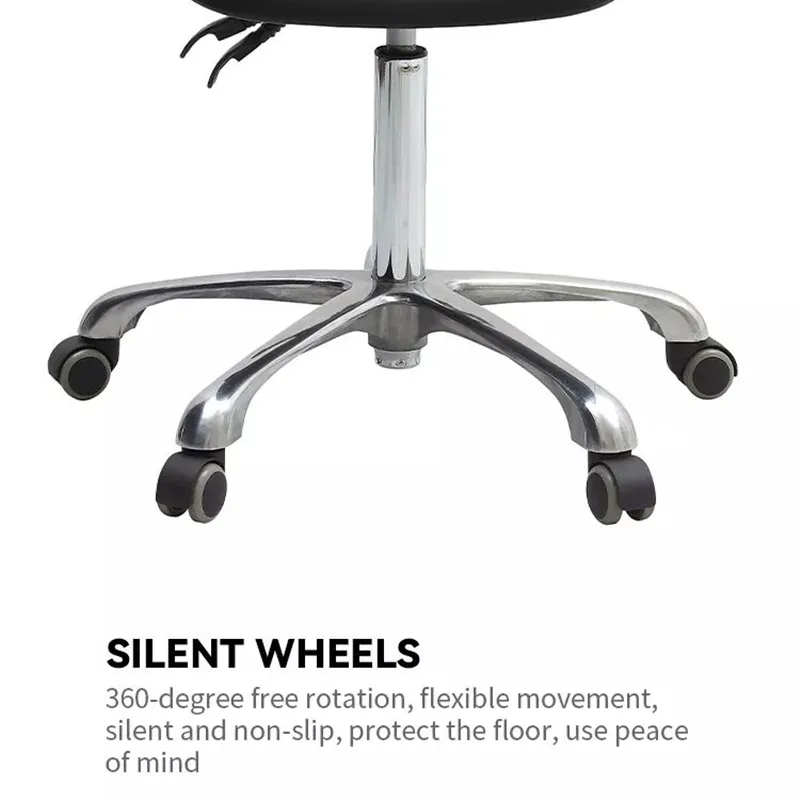
With Wheel
Wheel Type
Swivel Casters
Height
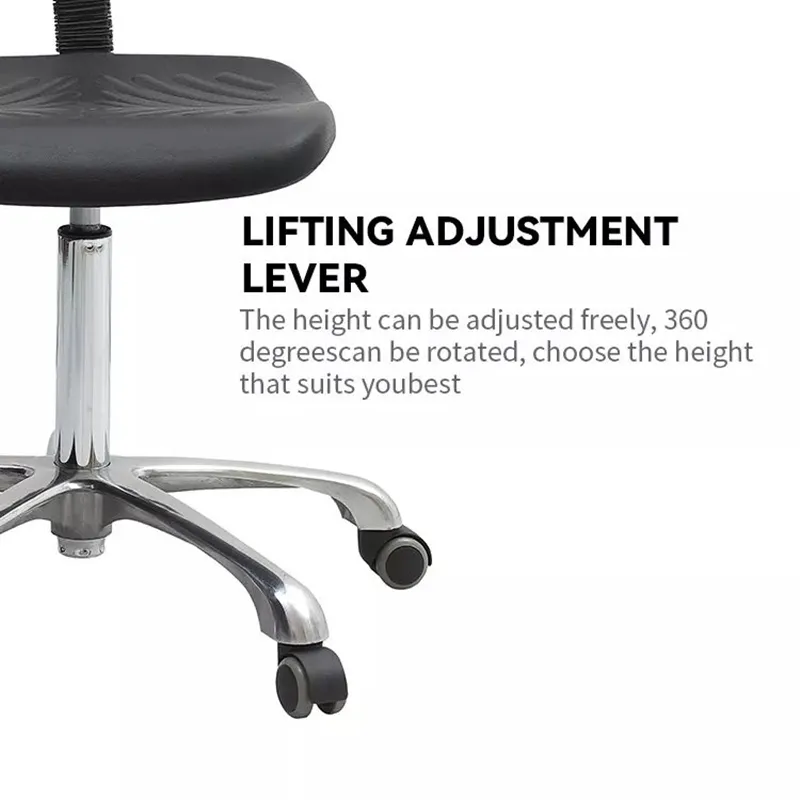
Adjustable
Type
Stool
Usage
Hospital, School, Research Institute, Laboratory
Color
Silver
Warranty
2 Years
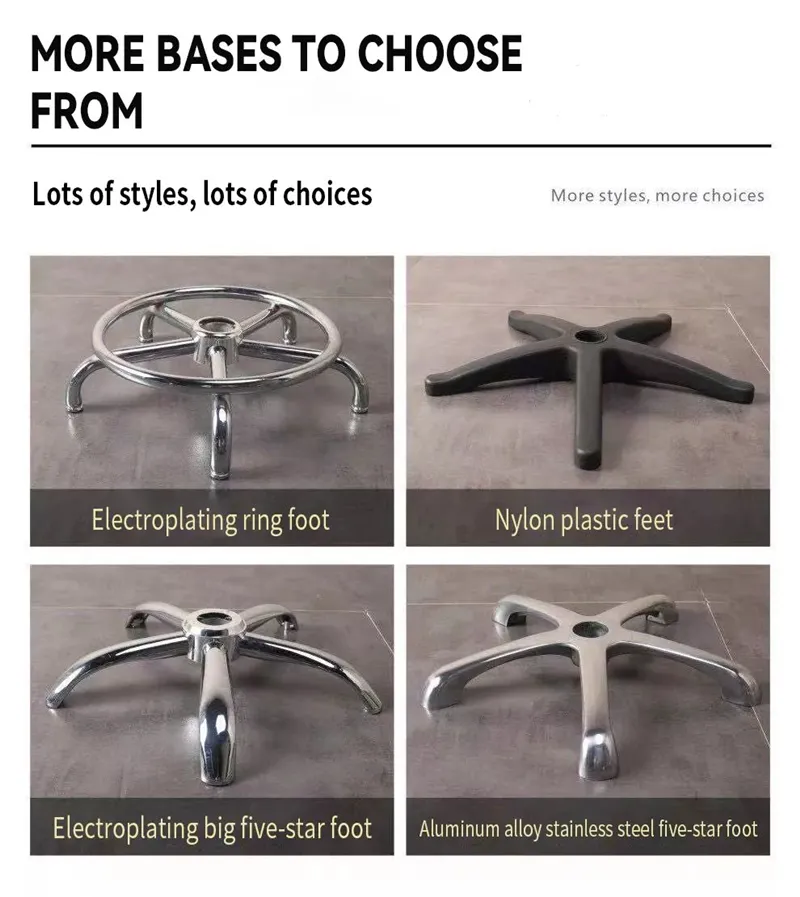
Base
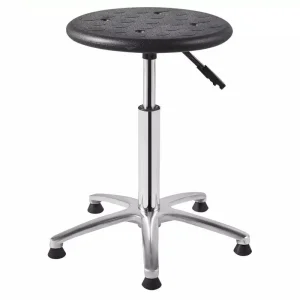
Aluminium Alloy Five Star Base
Certification
ISO9001 ISO14001 CE
Specification
33*43-56cm
Capacity
5500 Pieces Per Month
🔬 Product Description

Ergonomics in the lab is just as important as in the office, the factory or any other facility. It is the main contributor to your efficiency, attitude to work, health, concentration and posture. A high quality, comfortable and well-designed lab stool is extremely important when considering your lab furnishings. Potential injury from ergonomics is underestimated, as serious muscular and skeletal injury can be the result of bad posture and static working positions.

The perfect sitting position is free of bodily strain. You should:
  • Sit with your feet flat on the floor or on a footrest
  • Have a 100-110° reclining position (if applicable)
  • Push your hips as far back into the chair as possible
  • Keep your knees at 90° or less (at hip level or higher)
  • Use back or lumbar support where possible

To easily achieve a good sitting posture, push yourself into the back of the chair to sit as far back as possible. Sit as straight as possible and accentuate the curvature of your back, then relax slightly so you are upright but comfortable. This will minimize back strain.

📊 Product Parameters

A safe, well-engineered, purpose-built lab chair is invaluable when it comes to safety, well-being and efficiency. Below are the specific configurations available:

Model Number Description Adjustable Seat Height Diameter of Seat
APL-PP-140W/CPP seat+caster wheels/foot-cushions44-56 cm32 cm
APL-PU-140W/CPU soft seat+caster wheels/ foot-cushions43-56 cm32 cm
APL-CHP-140W/CChina pattern soft seat+casters44-57 cm32 cm
APL-LE-140W/CLeather soft seat+casters47-62 cm32 cm
APL-SS-140W/CStainless steel seat+casters43-56 cm29 cm
📸 Detailed Photos
Laboratory Stool View 1
Laboratory Stool View 2
Stool Detail 1 Stool Detail 2 Stool Detail 3
📜 Certifications
Quality Certifications
💡 Selection Guide

Laboratories involve rigorous regulations. Purpose-built stools made from engineered polyurethane are:

  • Non-porous and wipe-able
  • Anti-bacterial and PC2 compliant
  • Resistant to cleaning and decontamination agents
  • Ergonomically designed to prevent RSI and OOS
Lab Chairs vs. Office Chairs

Height: Lab chairs cater to high benches and hoods with pneumatic adjustment. Office chairs are designed for standard desk heights only.

Backrest: Lab chairs offer vertical and horizontal adjustments to support specific tasks like pipetting and dissection.

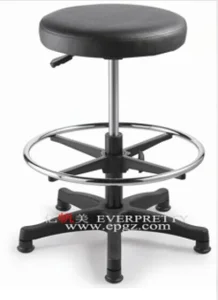
Footrings: Essential for lab professionals on high benches to sustain circulation; rarely found on office chairs.

Seat Tilt: Recommended for leaning forward into equipment, helping with lower spine positioning.
❓ Frequently Asked Questions
Q1: What materials are the lab stools made of? Our stools are available in various materials including high-grade Polypropylene (PP), Polyurethane (PU), Leather, and Stainless Steel to suit different laboratory environments.
Q2: Are the casters suitable for cleanroom environments? Yes, we offer anti-static swivel casters that are designed for use in cleanrooms, semi-conductor facilities, and bioscience labs.
Q3: Can the height be adjusted for different bench levels? Absolutely. These stools feature pneumatic height adjustment, with various models covering ranges from 43cm up to 89cm to accommodate hoods and high benches.
Q4: Do these stools meet safety certifications? Yes, our laboratory furniture is certified under ISO9001 and ISO14001, and carries the CE mark for safety and quality compliance.
Q5: How does the ergonomic design benefit lab workers? The ergonomic design supports proper posture, helps prevent Repetitive Strain Injuries (RSI), and allows for comfortable movement during tasks like dissection and micromanipulation.
Q6: Are the surfaces resistant to chemicals? Yes, the purpose-built lab materials are impermeable to water and resistant to common cleaning and decontamination agents used in facility maintenance.

Related Products