Rimkok Furniture
1 / 5
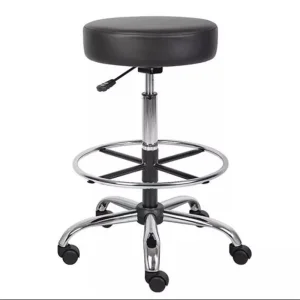
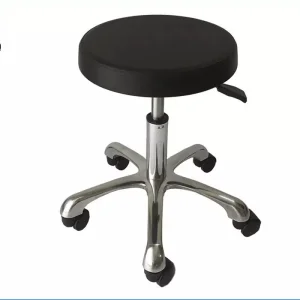
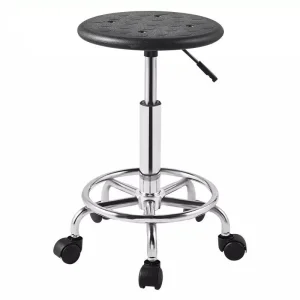
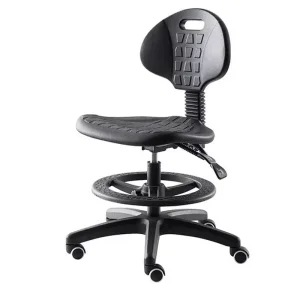
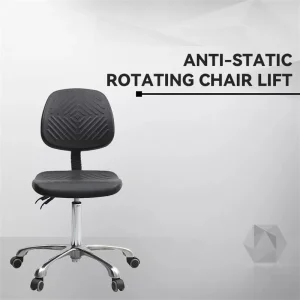
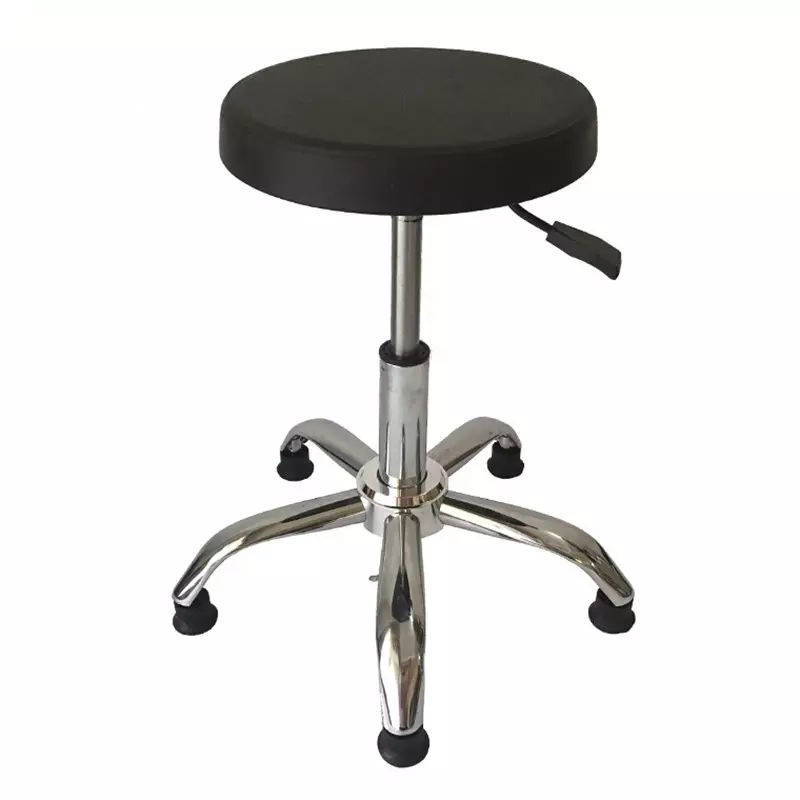
Ergonomics in the lab is just as important as in any other facility. It is the main contributor to your efficiency, attitude to work, health, concentration and posture. A high quality, comfortable and well-designed lab stool is extremely important when considering your lab furnishings. Potential injury from ergonomics is underestimated, as serious muscular and skeletal injury can be the result of bad posture and static working positions.
A perfect sitting position is free of bodily strain. To achieve optimal posture, you should:
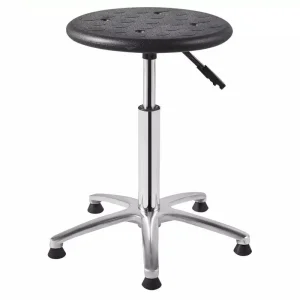
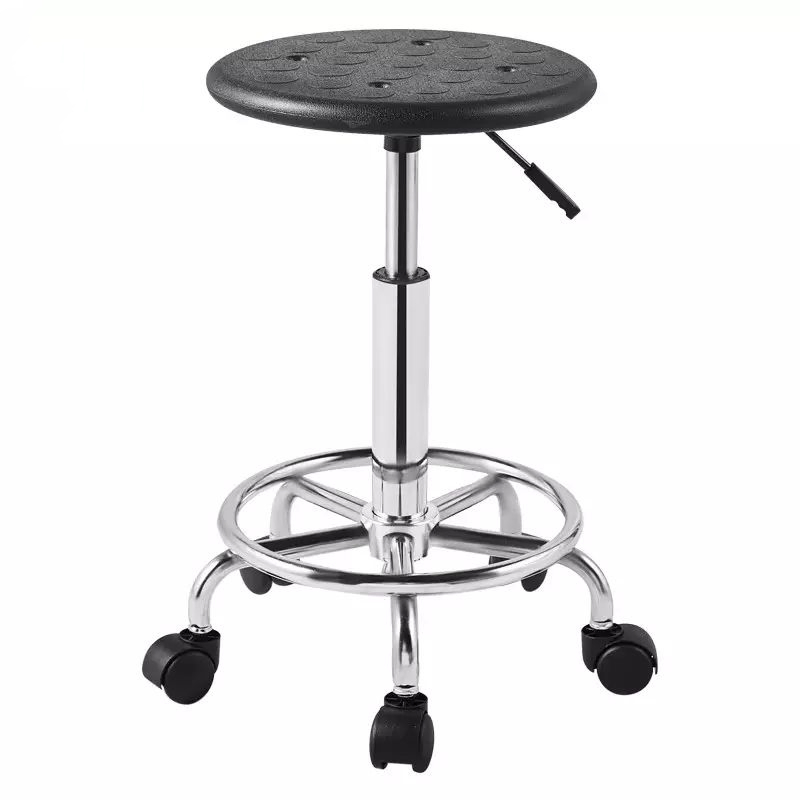
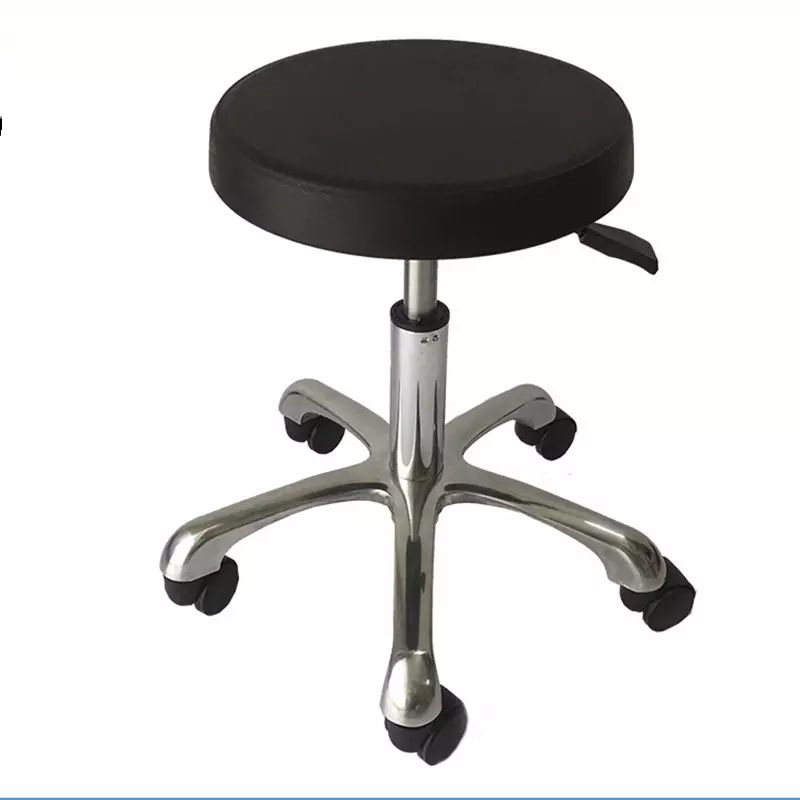
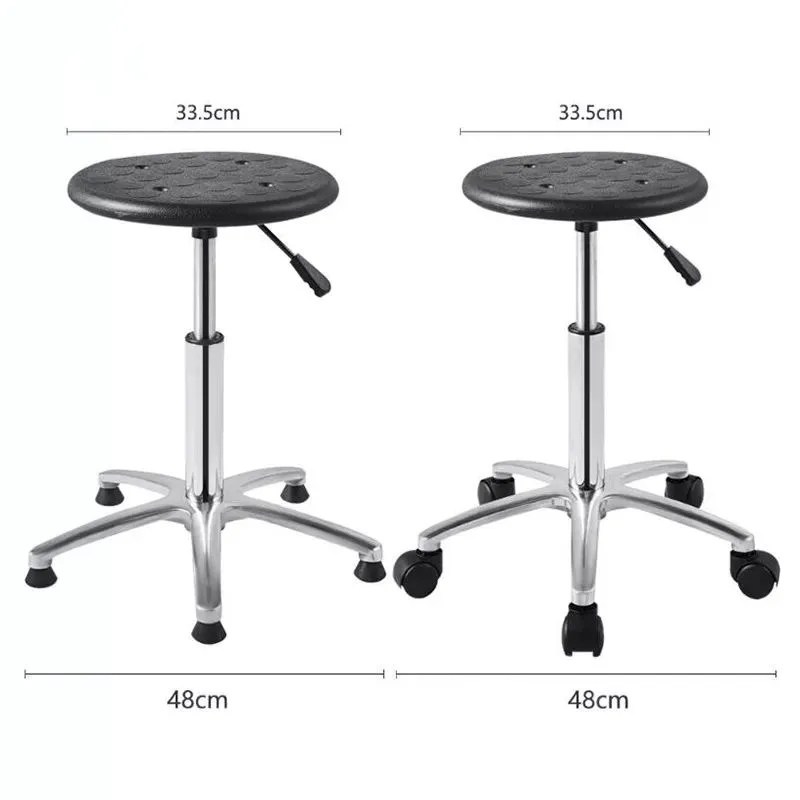
| Model Number | Description | Adjustable Seat Height | Diameter of Seat |
|---|---|---|---|
| APL-PP-140W/C | PP seat + casters/glides | 44-56 cm | 32 cm |
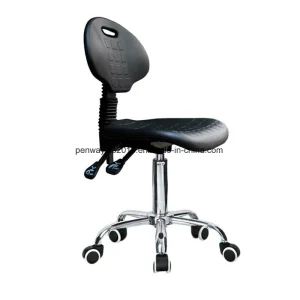
| APL-PU-140W/C | PU soft seat + casters/glides | 43-56 cm | 32 cm |
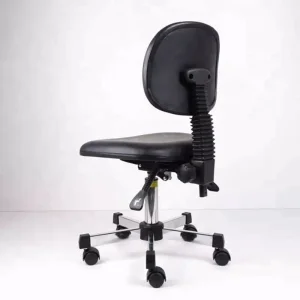
| APL-CHP-140W/C | Pattern soft seat + casters/glides | 44-57 cm | 32 cm |
| APL-LE-140W/C | Leather soft seat + casters/glides | 47-62 cm | 32 cm |
| APL-SS-140W/C | Stainless steel seat + casters/glides | 43-56 cm | 29 cm |
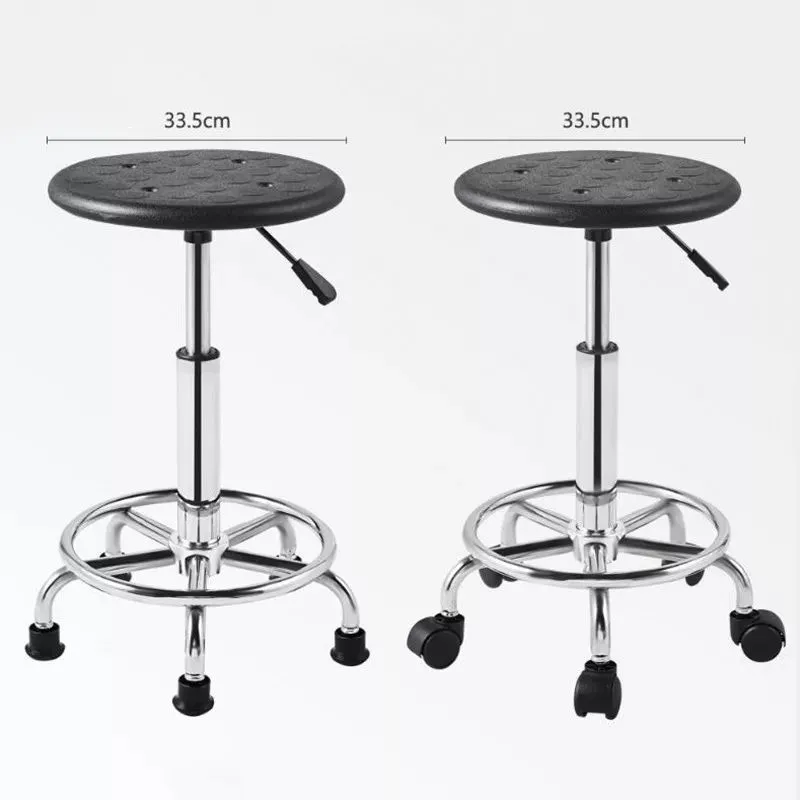
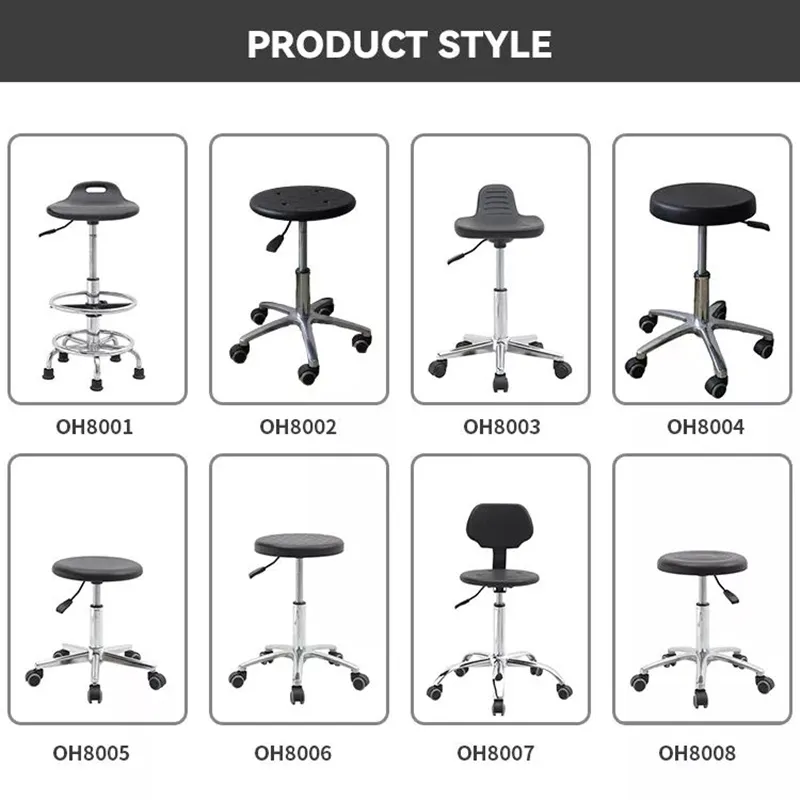
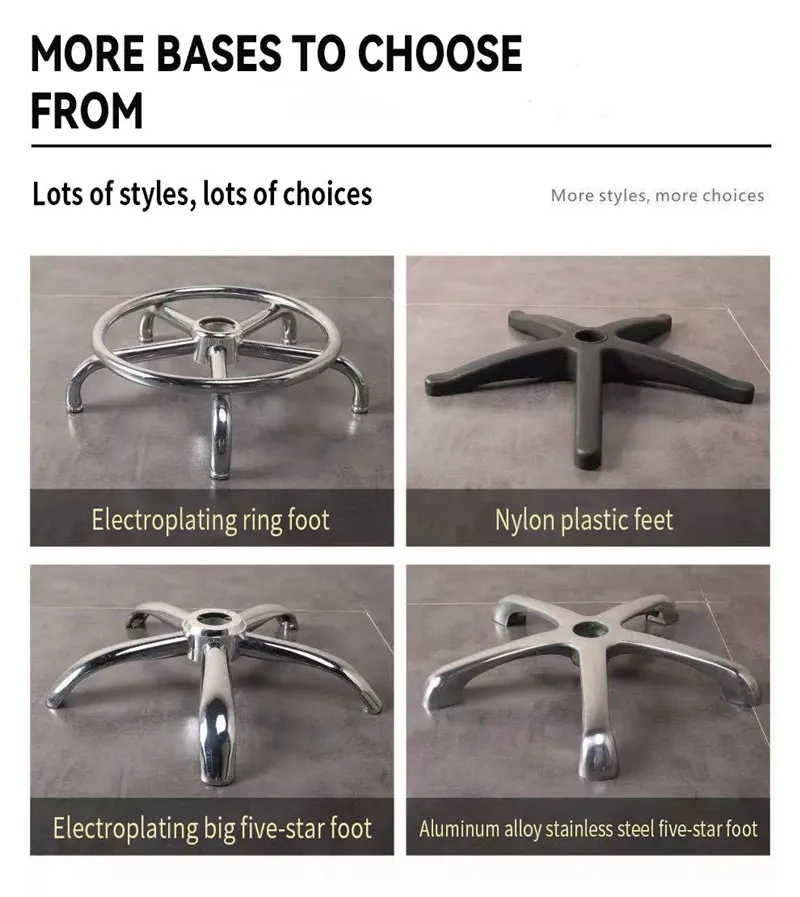

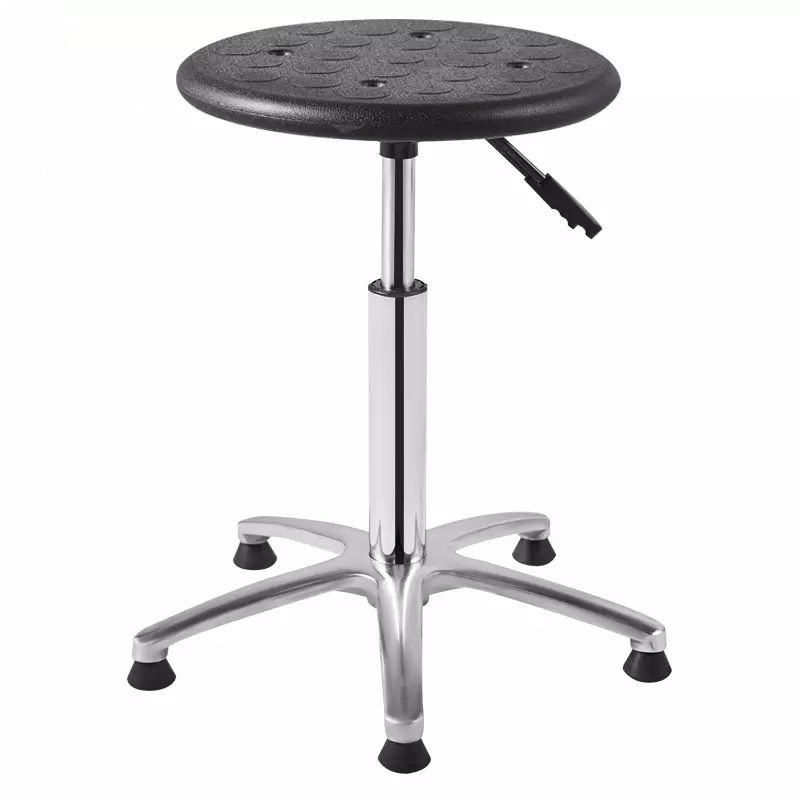
Laboratories involve rigorous regulations. A purpose-built stool made from engineered polyurethane offers essential benefits:
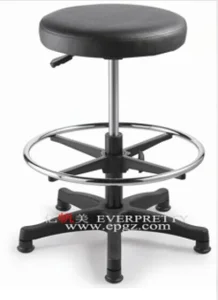
Height: Designed for various workstations like hoods and high benches. 360-degree pneumatic adjustment is common.
Backrest: Adjustable vertically and horizontally to support lumbar spine during precision tasks.
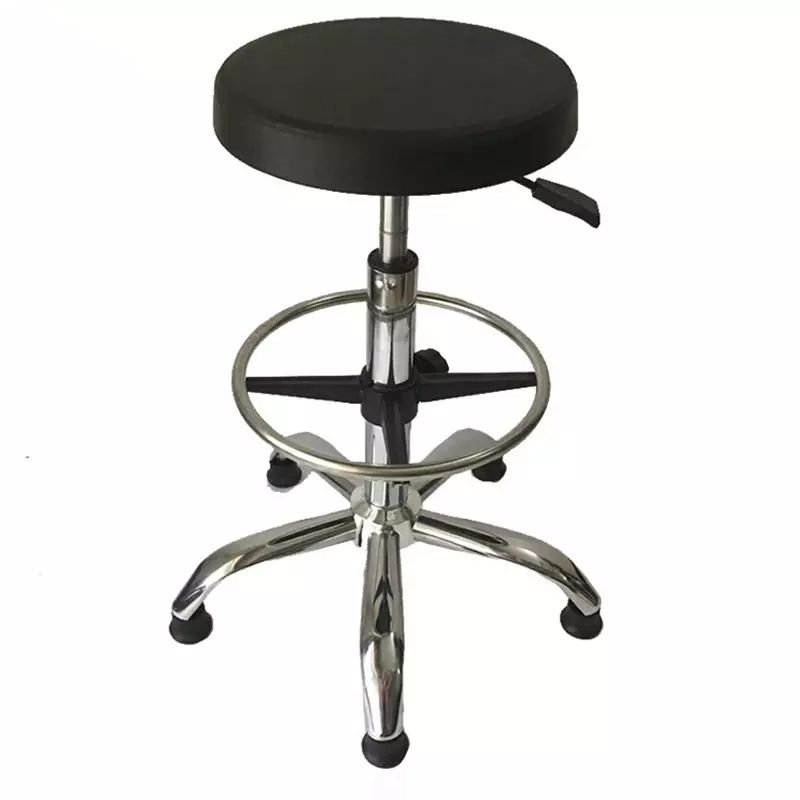
Footrings: Sustain lower body circulation for those working at high benches.
Height: Limited to standard work desks; not ergonomically designed for laboratory high benches.
Backrest: Not built for the specific posture required during dissection or pipetting.
Footrings: Usually absent, limiting flexibility and comfort at height.