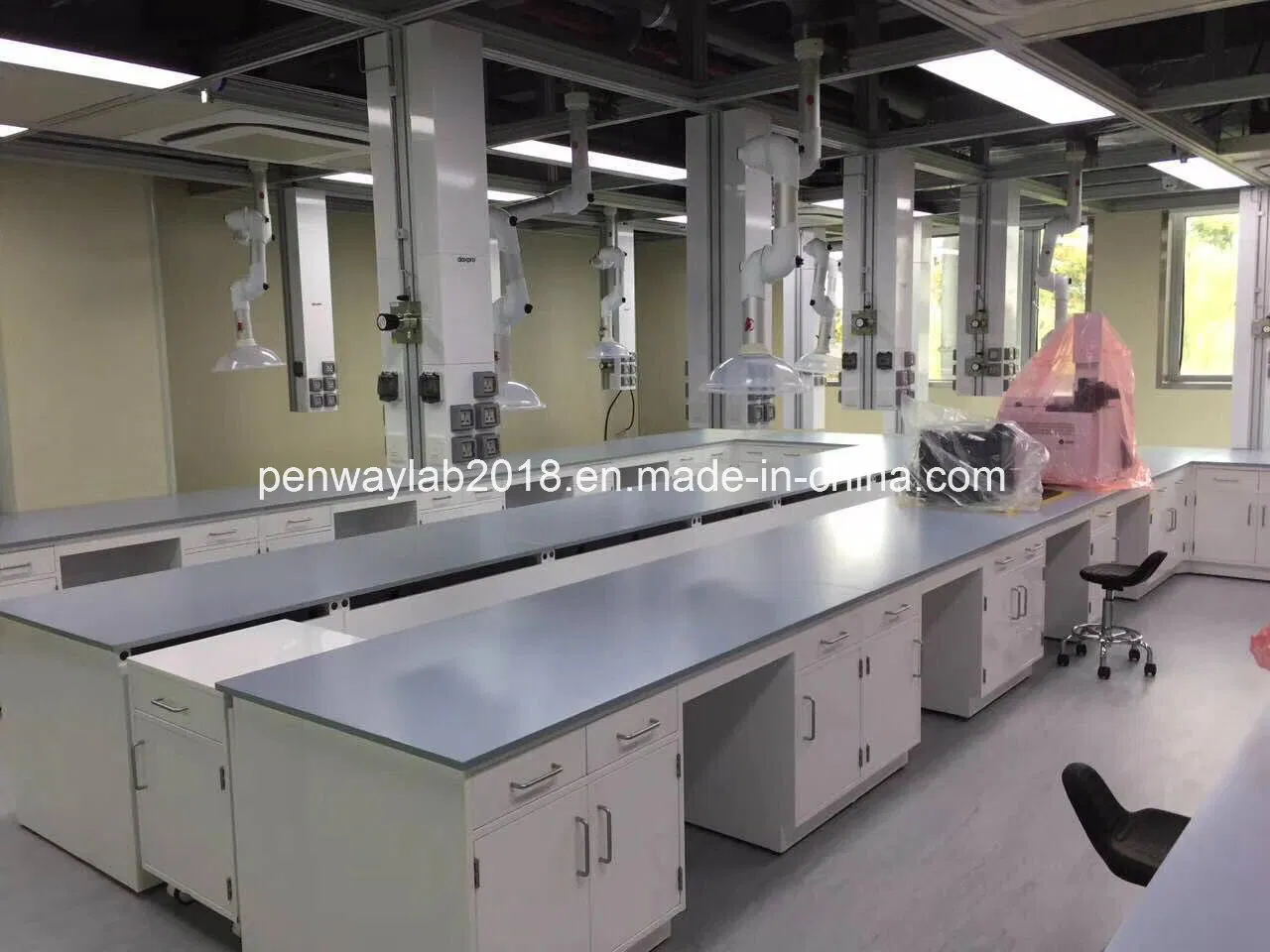
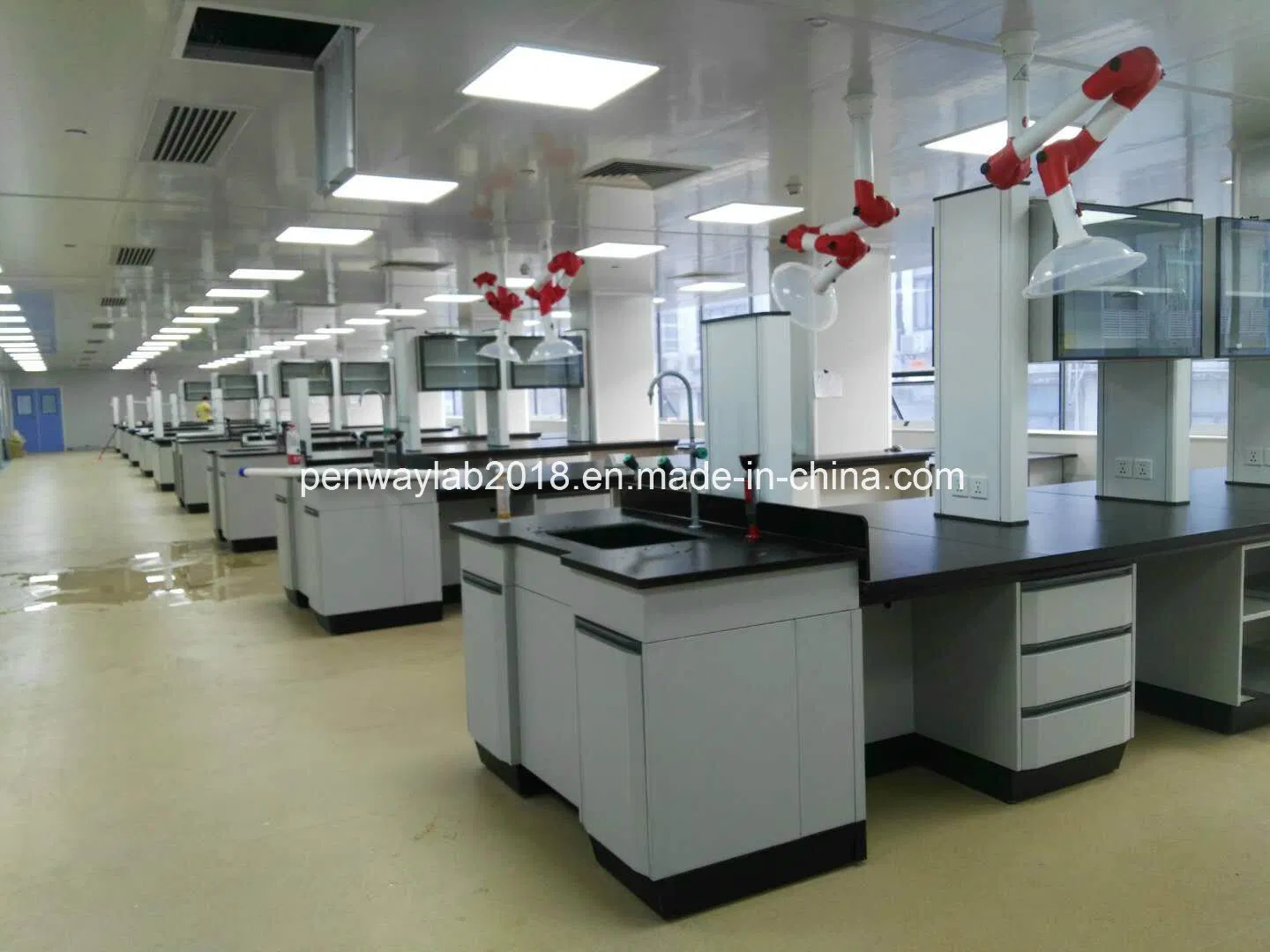
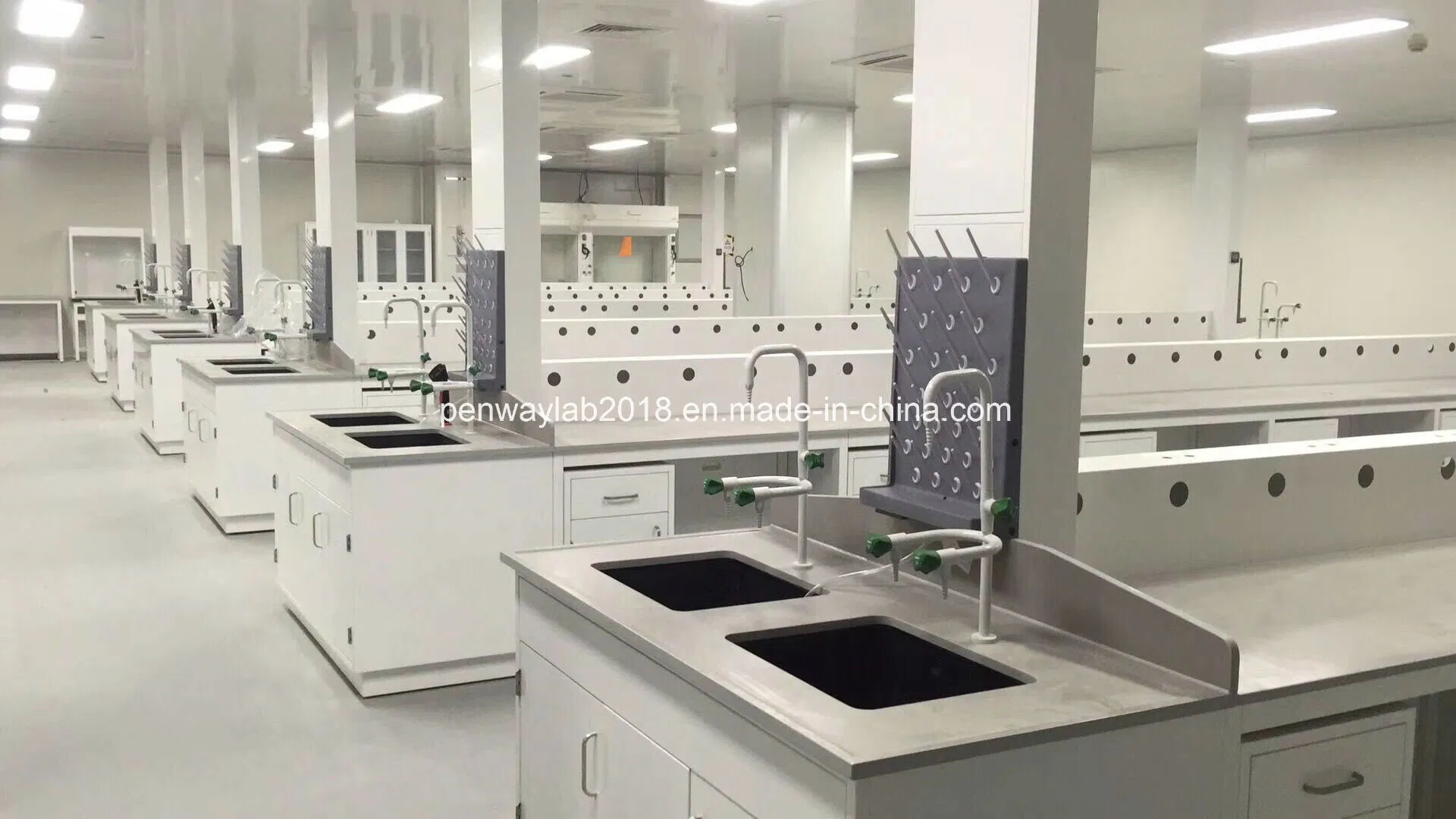
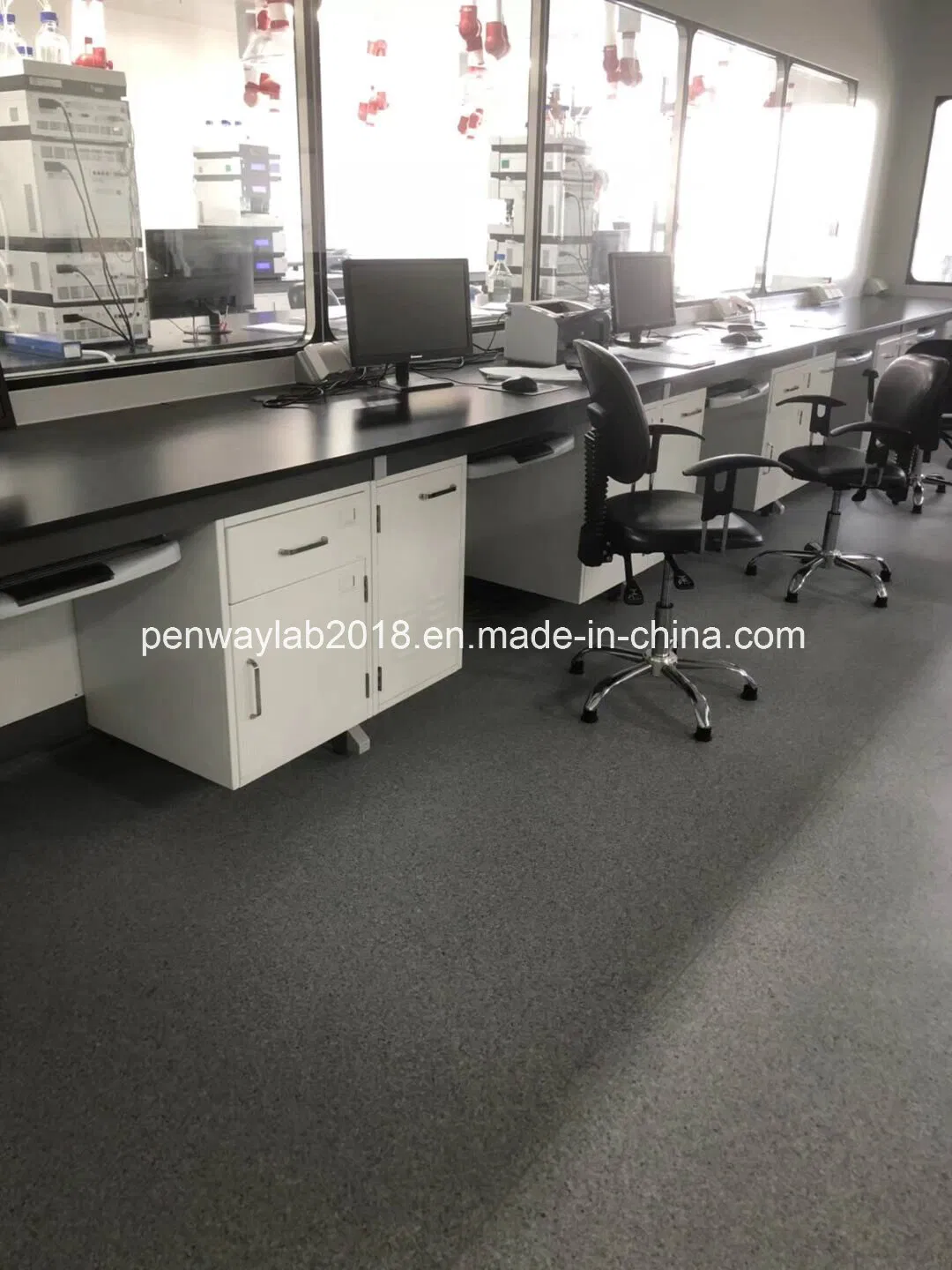
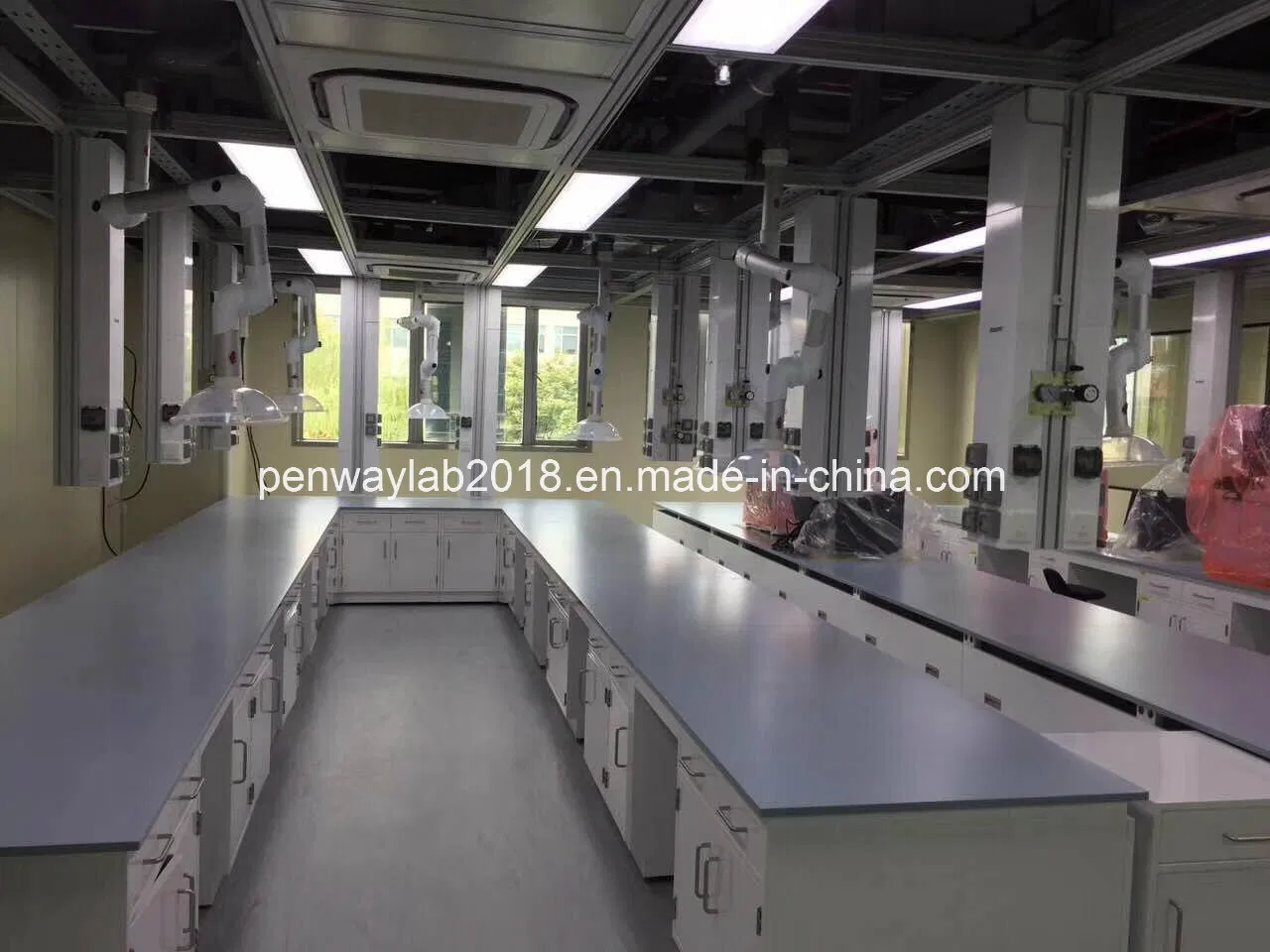
Latest Designs Lab Bench Lab Table Laboratory Furniture

Customization: Available
Material: Cold-Rolled Steel
Type: Central Bench

Product Description

Basic Specifications

Model NO.
PW-IS-18
Usage
Hospital, School, Company, Research Institute
Color
Optional
Customized
Available
Condition
New
Transport Package
Bubble Film
Specification
L*1500*850MM
Origin
China
Production Capacity
2000 Sets / Year

Product Overview

Professional lab materials designed for durability and cost efficiency.

Choosing the right laboratory bench countertop to match with the casework is crucial. Consider these key elements:

🔹
Durability: Resistance to impact and abrasions during normal laboratory work.
🔹
Chemical Resistance: Utilization rate of biological agents, caustic chemicals, or food handling.
🔹
Aesthetics: The overall appearance and layout of the laboratory.
🔹
Investment: Total cost of materials and long-term maintenance.

Our solutions offer the flexibility to choose combined materials for unique laboratory applications, ensuring the best performance for your environment.
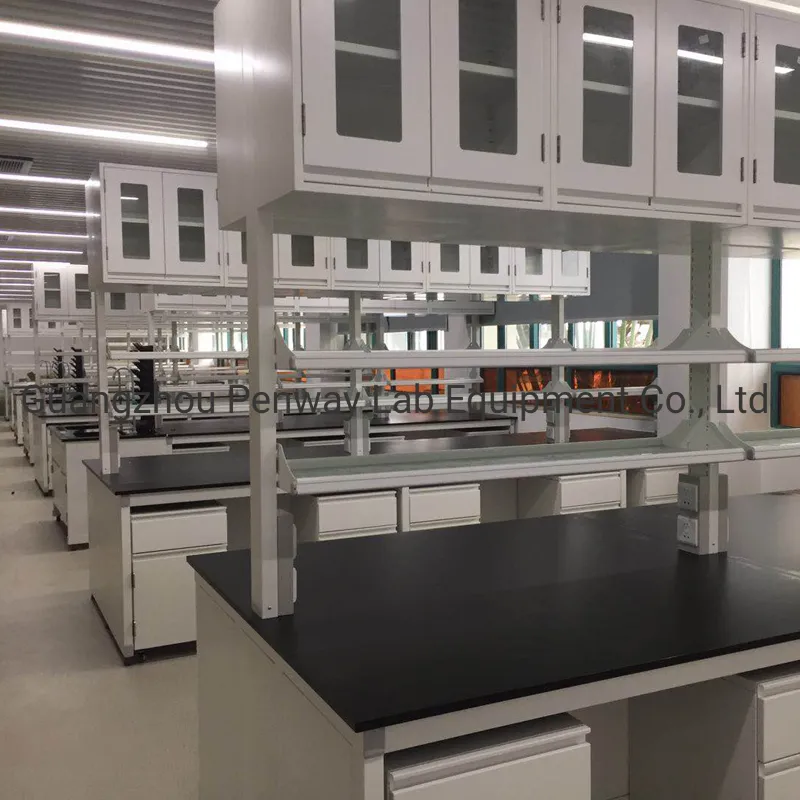
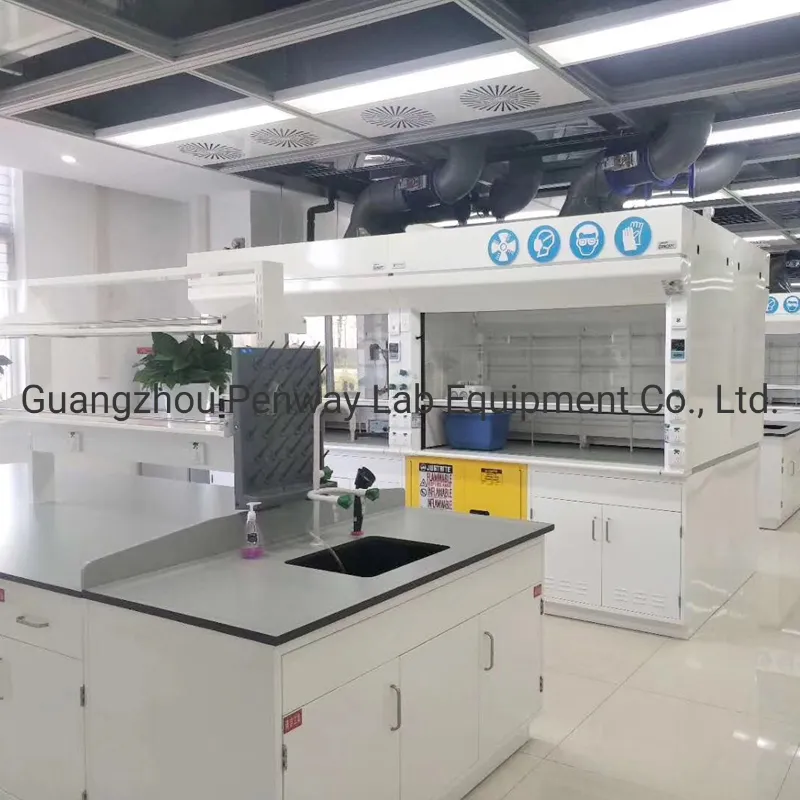
Laboratory Countertop Material Types

Epoxy Resin Laboratory Countertops
Phenolic Resin Laboratory Countertops

Epoxy Resin Laboratory Countertops

Epoxy resin is a solid countertop material combining epoxy, silica hardener, and filler materials in an oven-cured process. These countertops are popular across nearly every discipline due to their exceptional resistance to heat, moisture, and bacteria at a moderate price point.

Phenolic Resin Laboratory Countertops

Built for long-term performance, phenolic resin countertops are made of craft paper impregnated with phenolic resin and thermofused under pressure. This creates an exceptionally durable surface, thoroughly resistant to chemicals, moisture, and bacteria.

Other available worktop materials: Stainless steel; Ceramic; Laminate.

Countertop Comparison Chart

Feature EPOXY PHENOLIC STAINLESS STEEL CERAMIC LAMINATE
Chemicals**********************
Abrasion*********************
Heat**********************
Impact*********************
Moisture***********************
Bacteria**********************
Cost$$$$$$$$$$$$$

Advantages & Systems

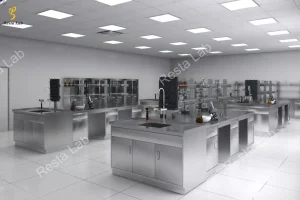
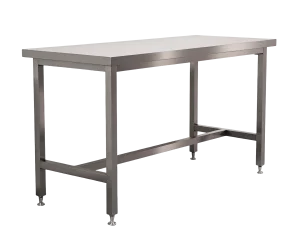
Modular steel: Stainless steel lab benches and cabinets are long-lasting, reliable, and safe for use with acids and flammable materials.

Flexible systems: Make your lab easily adjustable for a variety of functions.

Wood casework: Classic hardwood furniture including oak, maple, and cherry for benches and tables.

Apparatus & Accessories: Complete your lab with sinks, emergency safety equipment, and fixtures.

Customization is available to meet specific research needs.
Frequently Asked Questions

1. How do I choose the best lab bench material?
Selection should be based on the intensity of chemical use, heat requirements, impact resistance, and your specific budget. Epoxy and Phenolic resins are among the most versatile options.
2. What are the benefits of Epoxy Resin countertops?
Epoxy Resin offers superior resistance to heat, moisture, and bacterial growth, making it an ideal all-purpose choice for most scientific laboratories.
3. Is customization available for laboratory furniture?
Yes, we provide customization for dimensions, materials, and configurations to ensure the furniture fits your specific laboratory layout and functional needs.
4. Can modular steel systems be used with hazardous chemicals?
Absolutely. Modular stainless steel benches are designed to be reliable and safe when working with acids, flammable materials, and biohazardous substances.
5. Which material is most cost-effective for chemical resistance?
Phenolic resin typically offers a high level of chemical resistance at a slightly lower or comparable cost to epoxy resin, making it very cost-effective for heavy-duty lab environments.
6. What types of environments are these lab benches suitable for?
They are designed for professional use in hospitals, schools, corporate research centers, and specialized research institutes.

Related Products