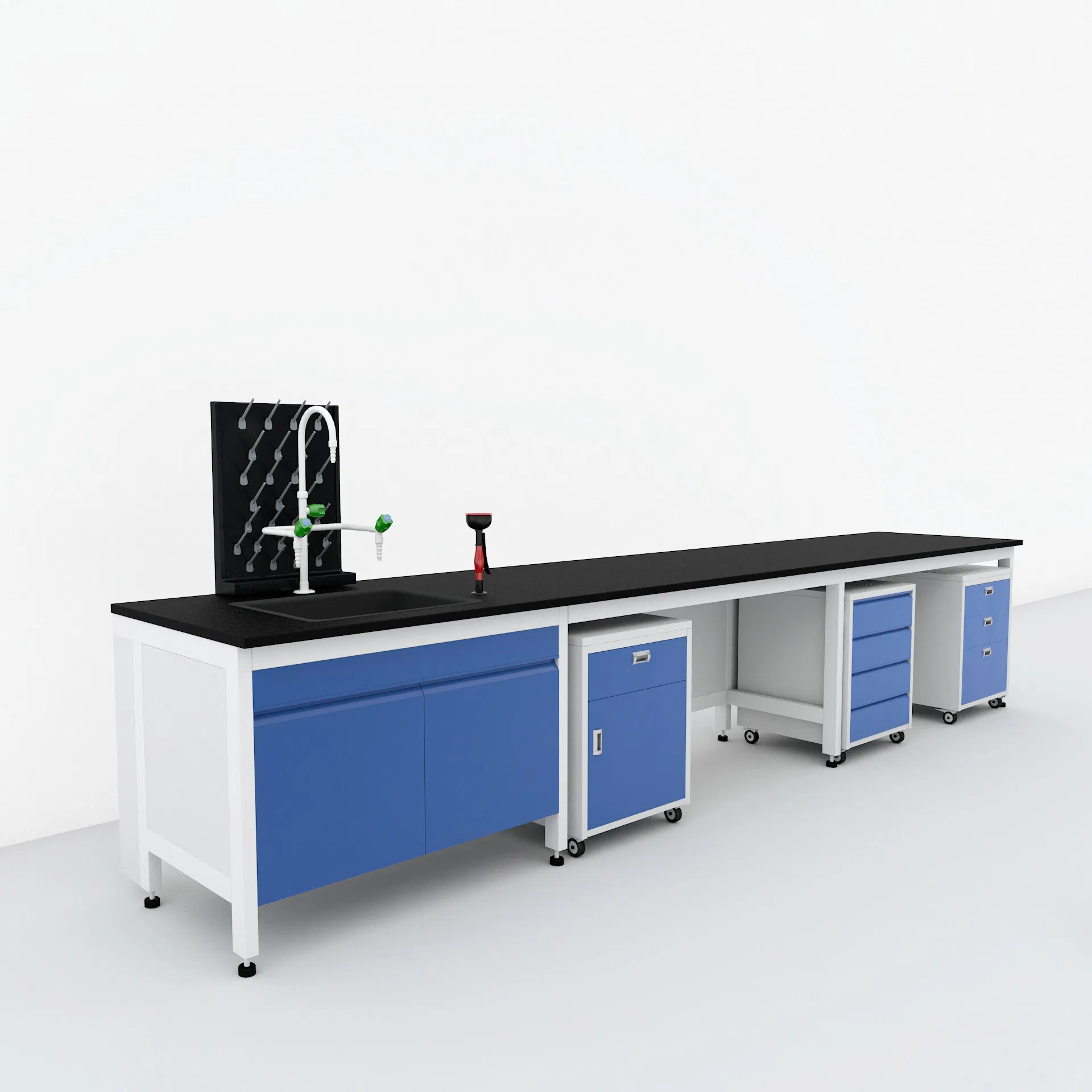
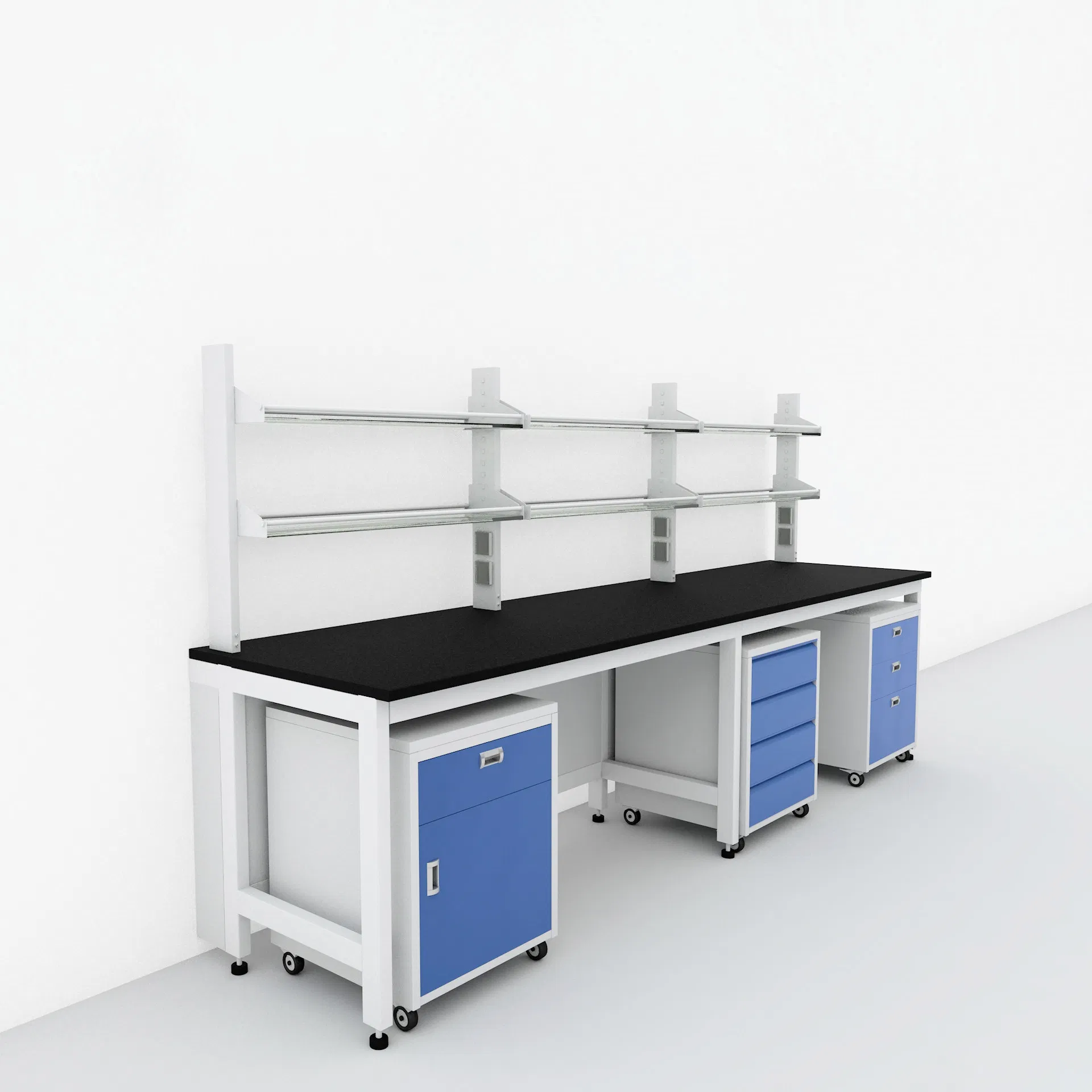
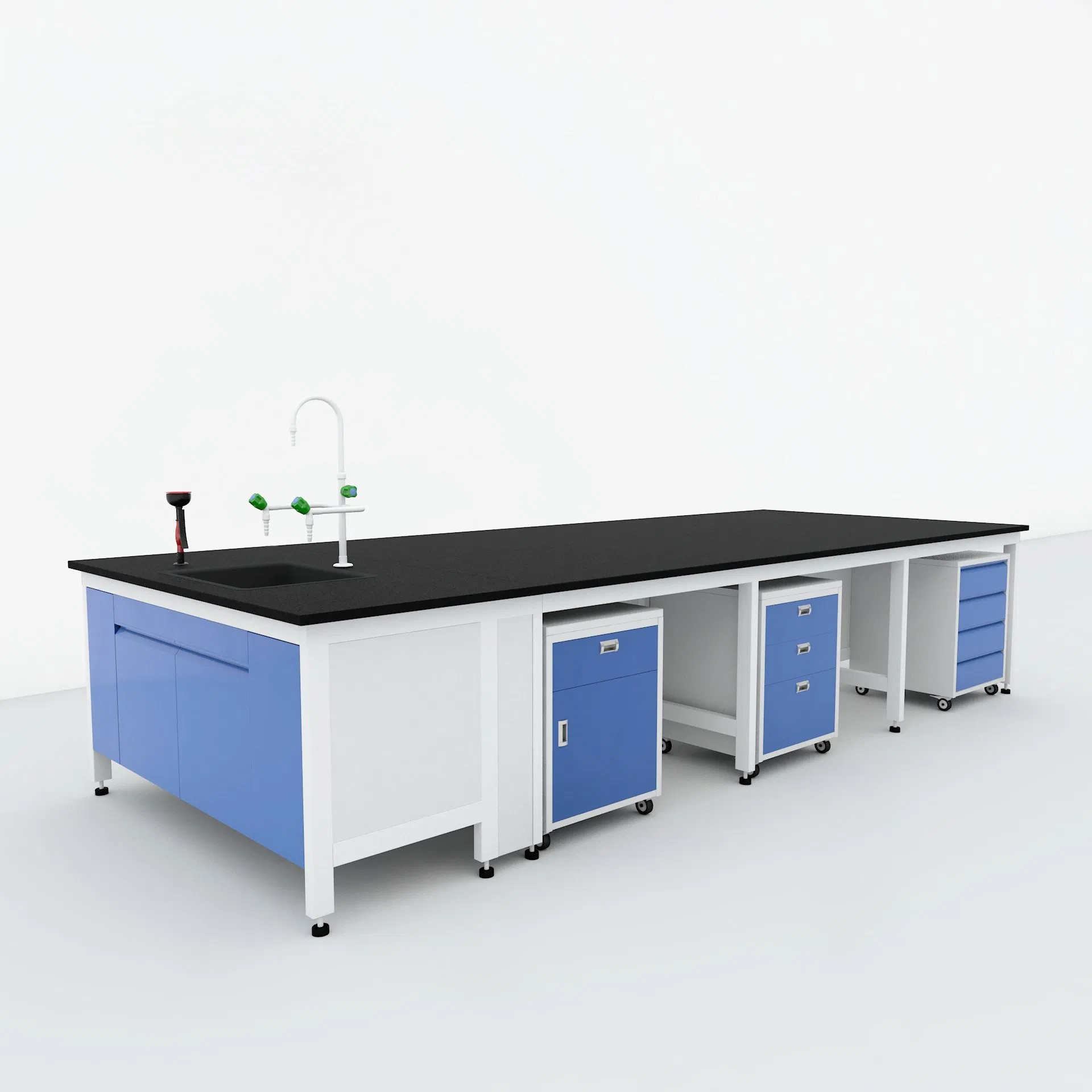
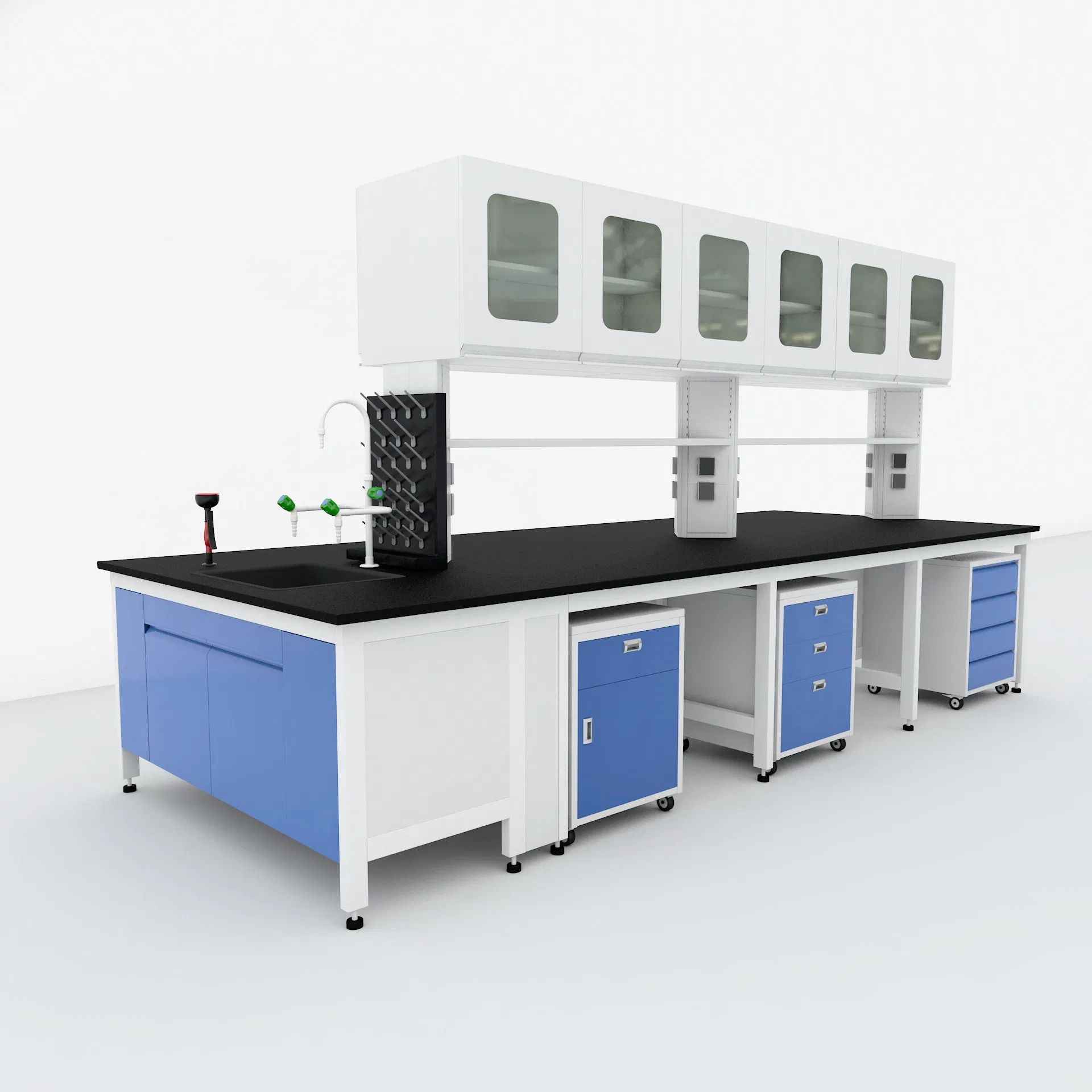
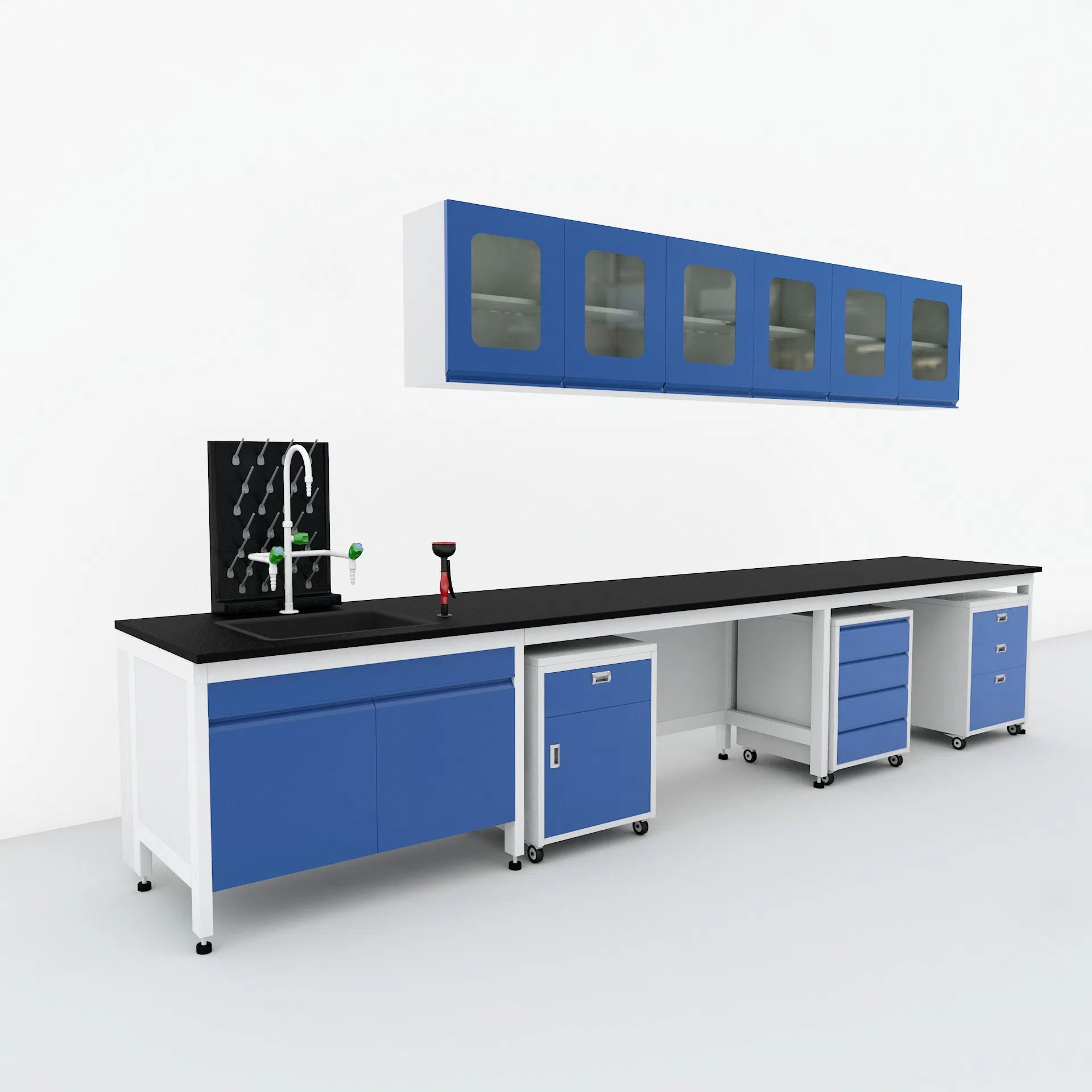
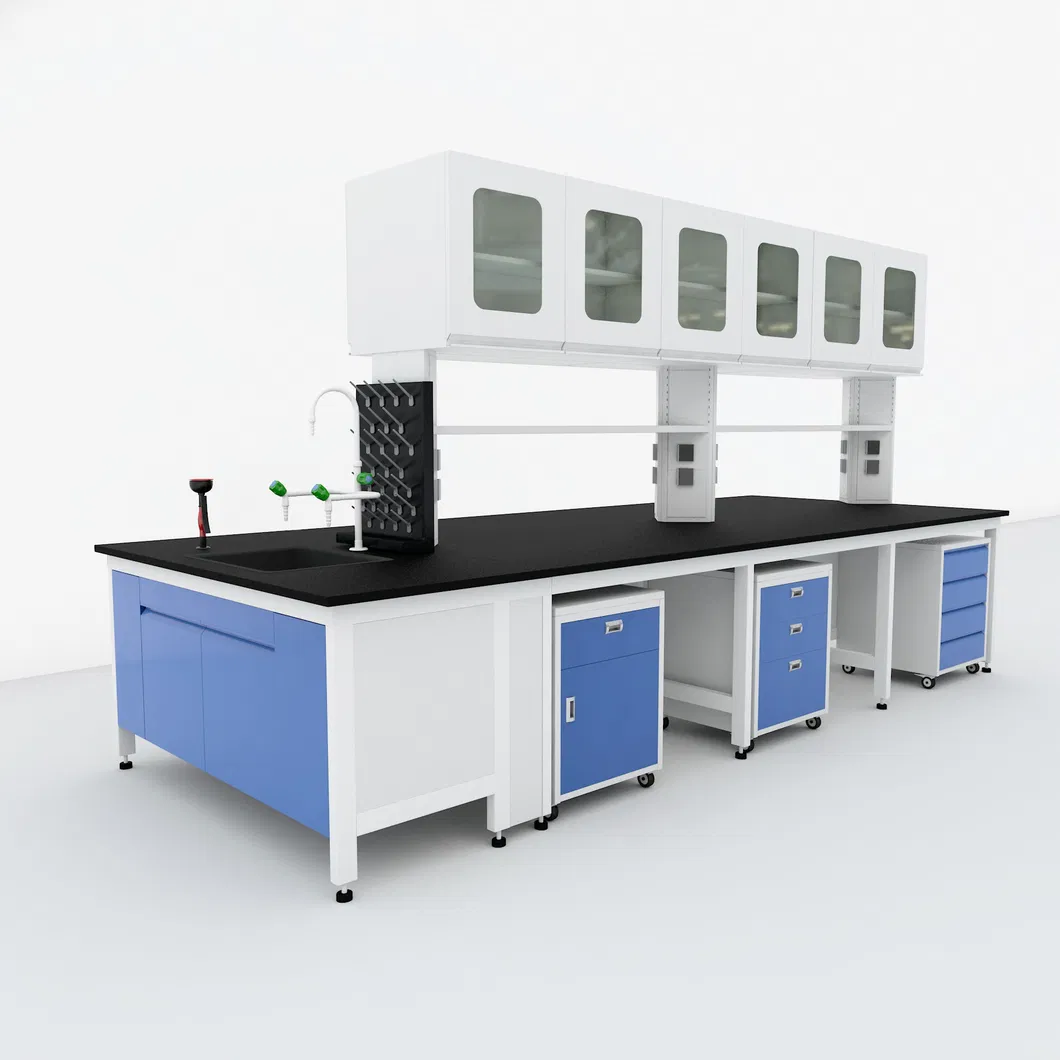
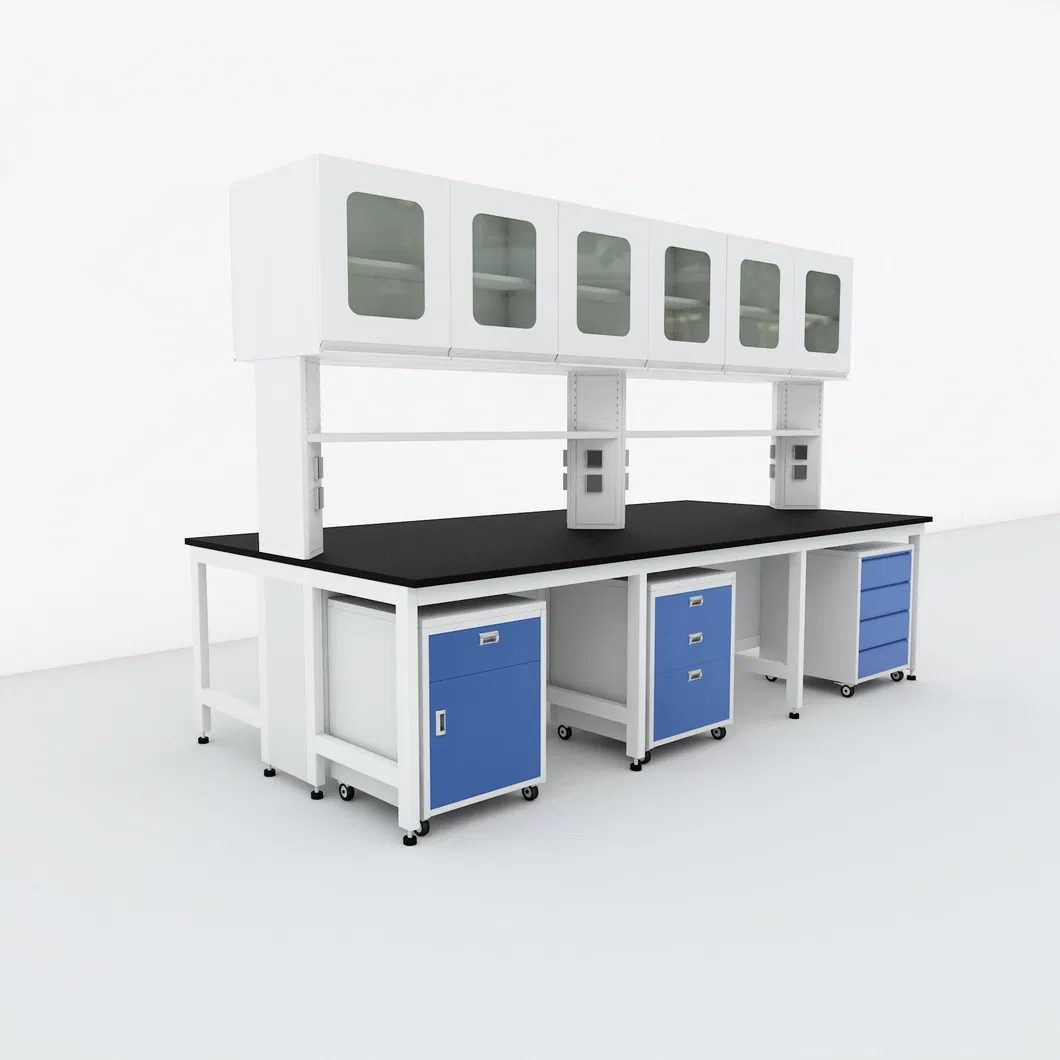
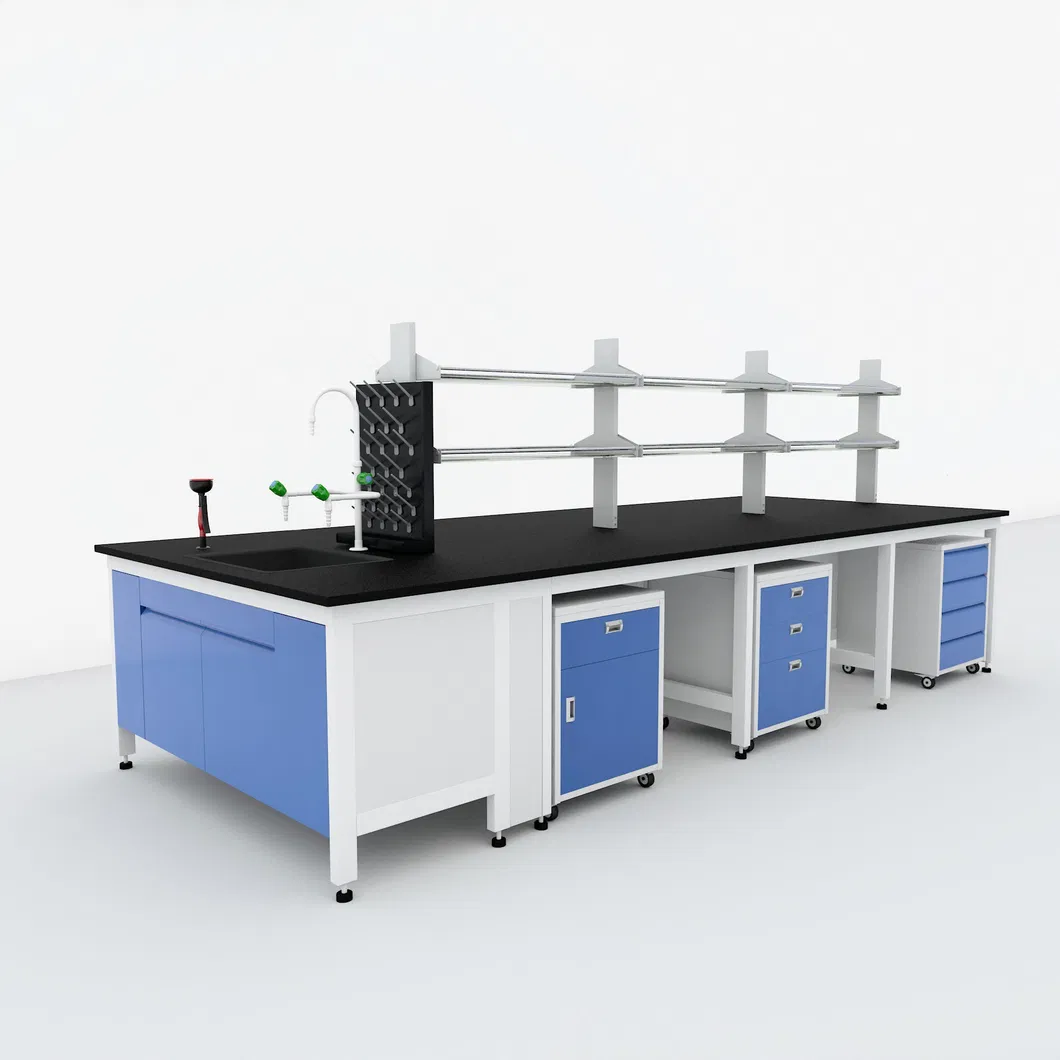
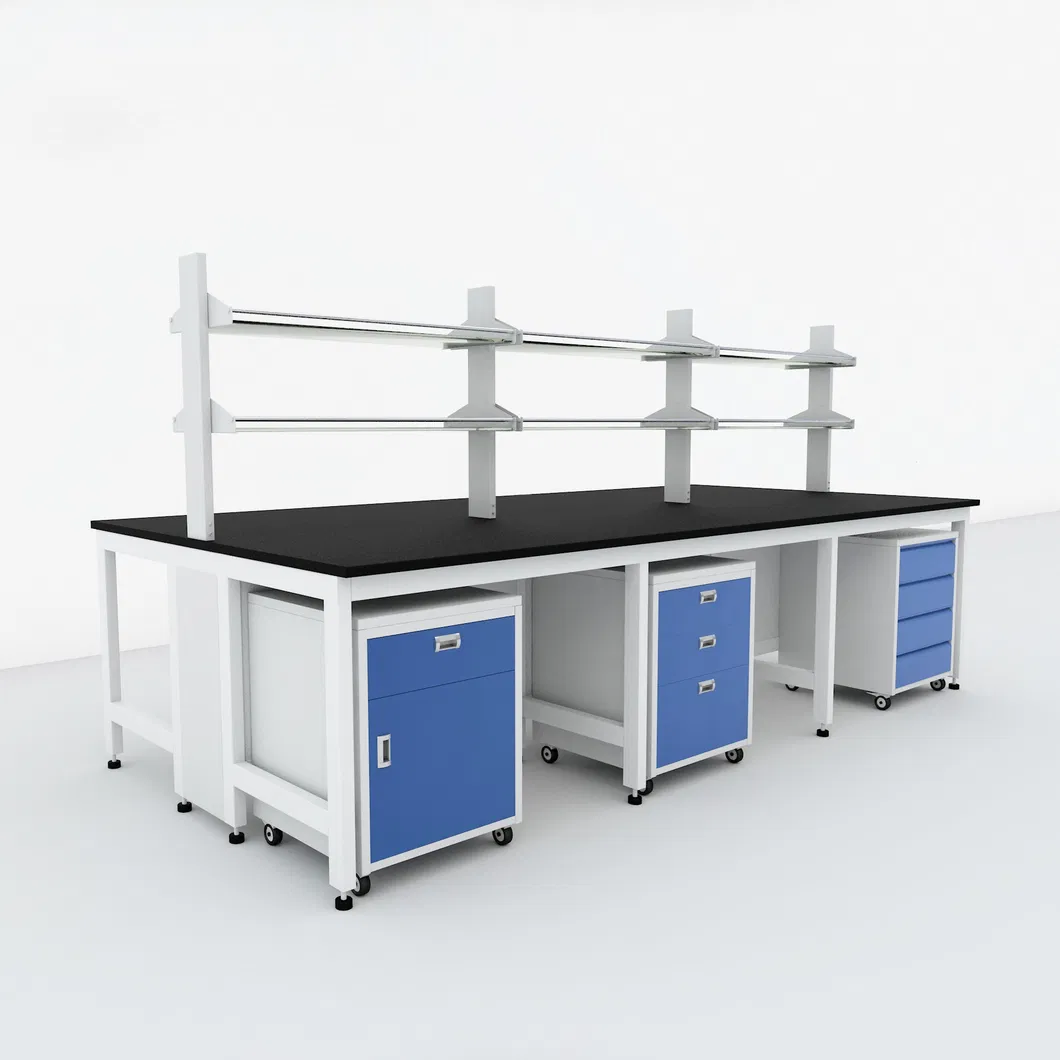
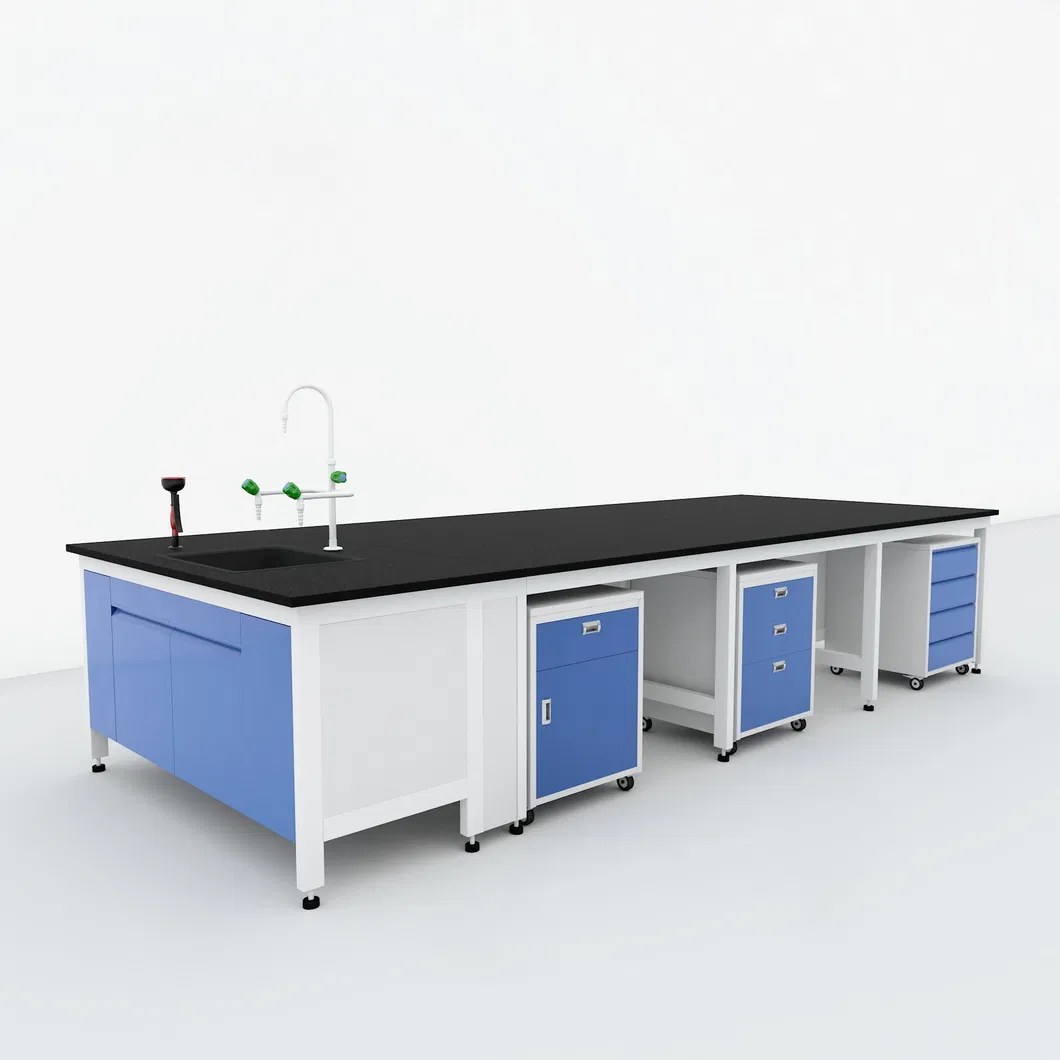
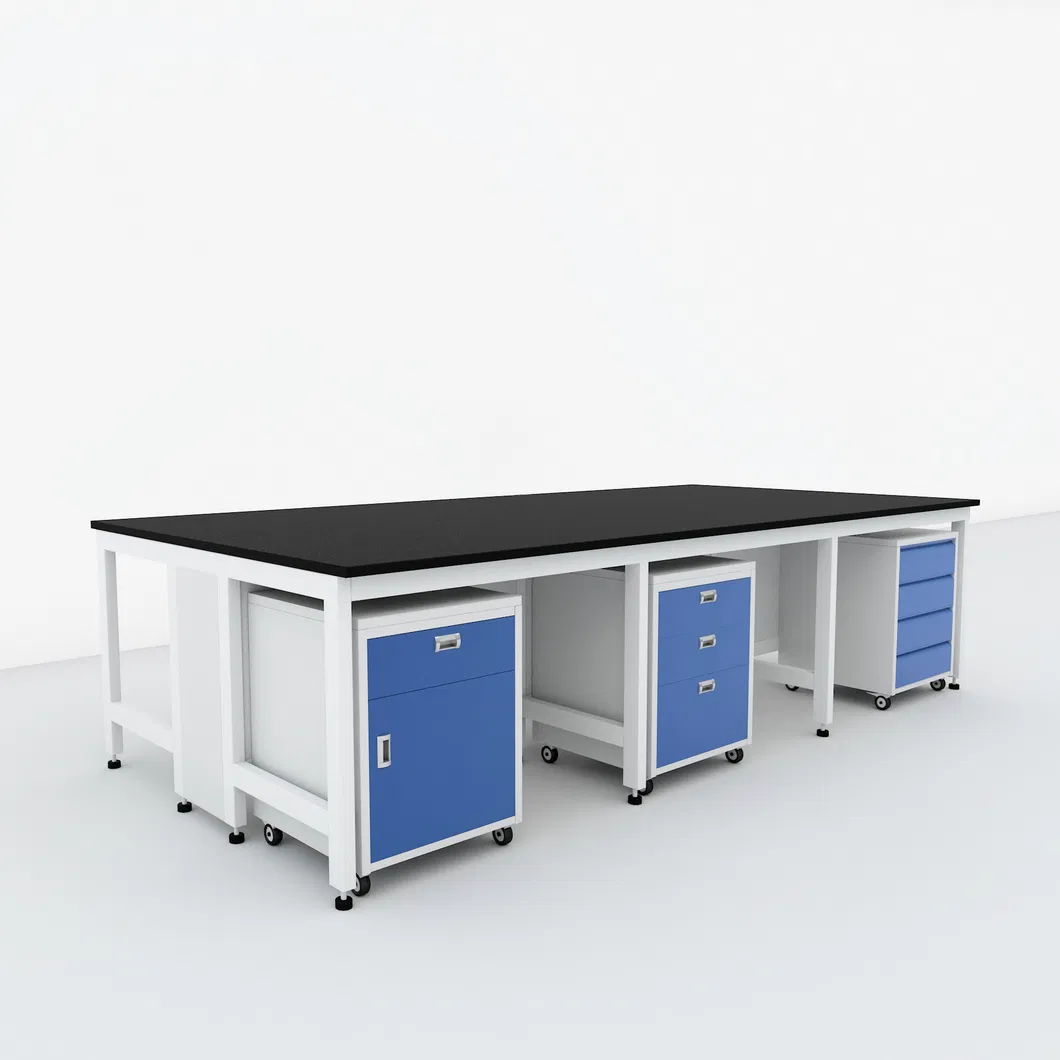
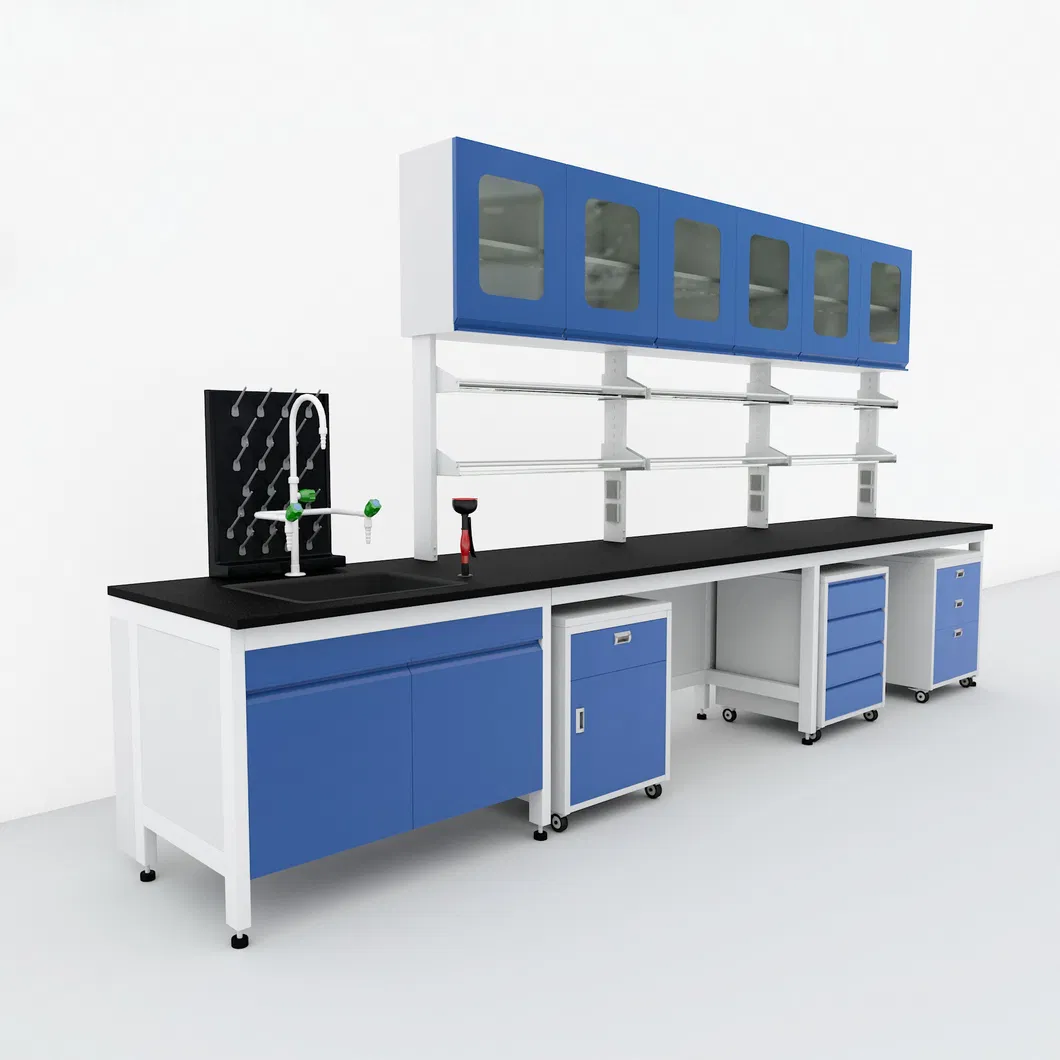
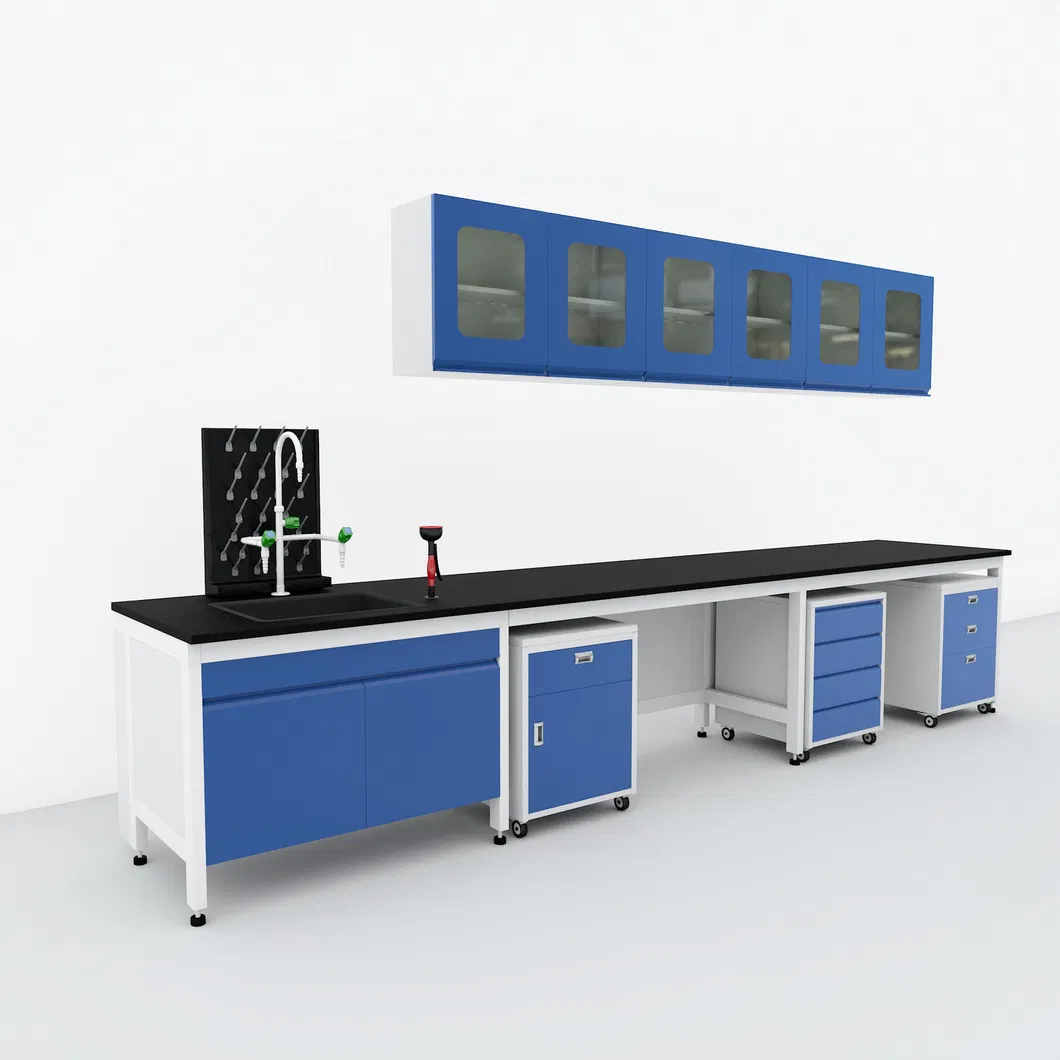
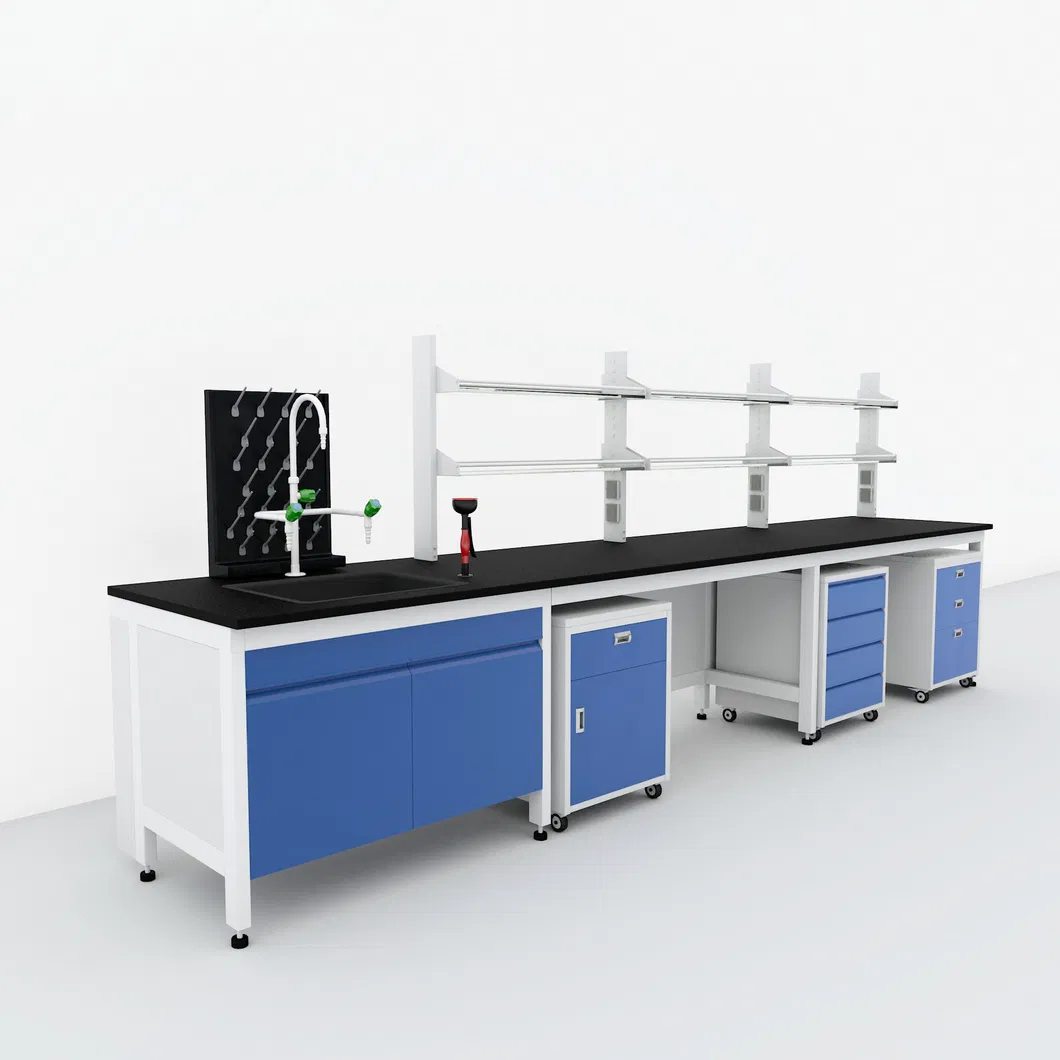
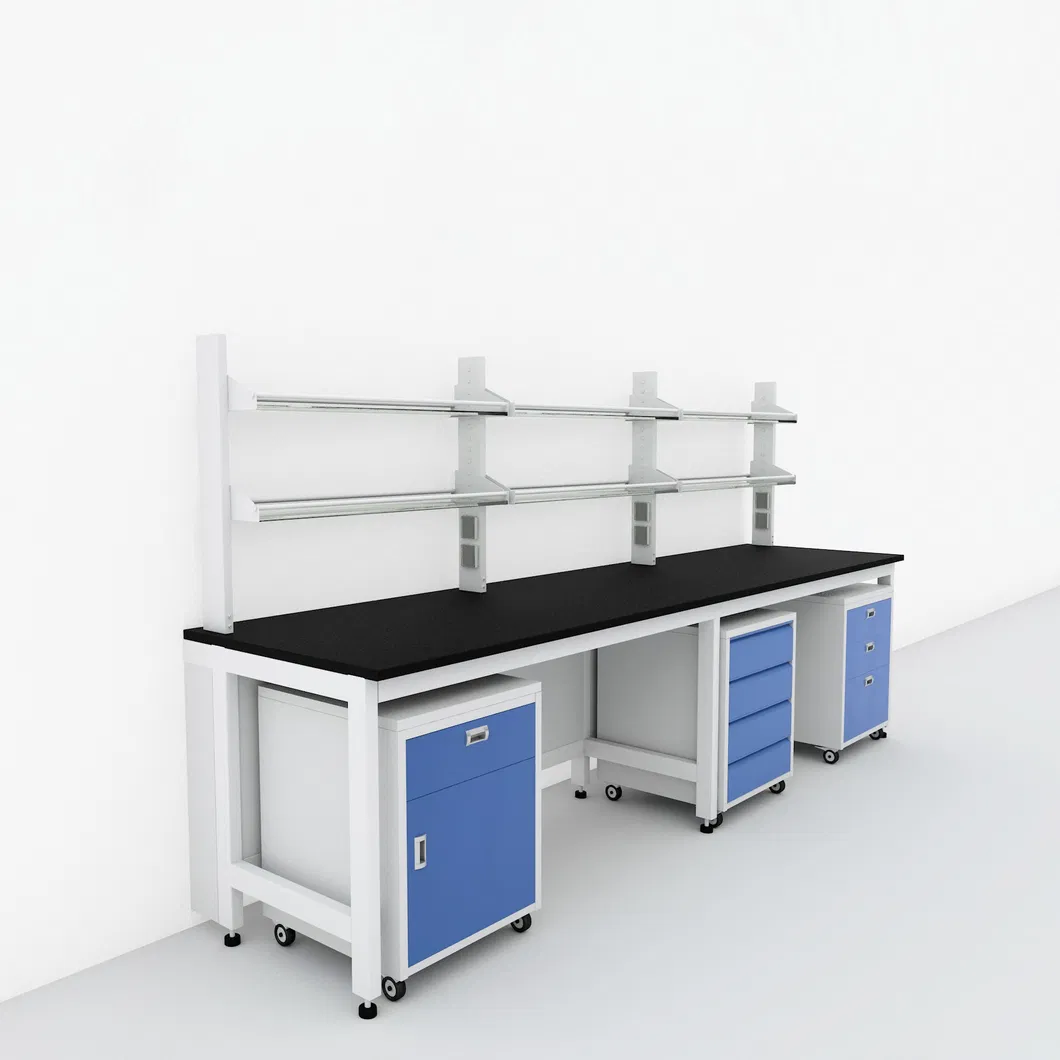
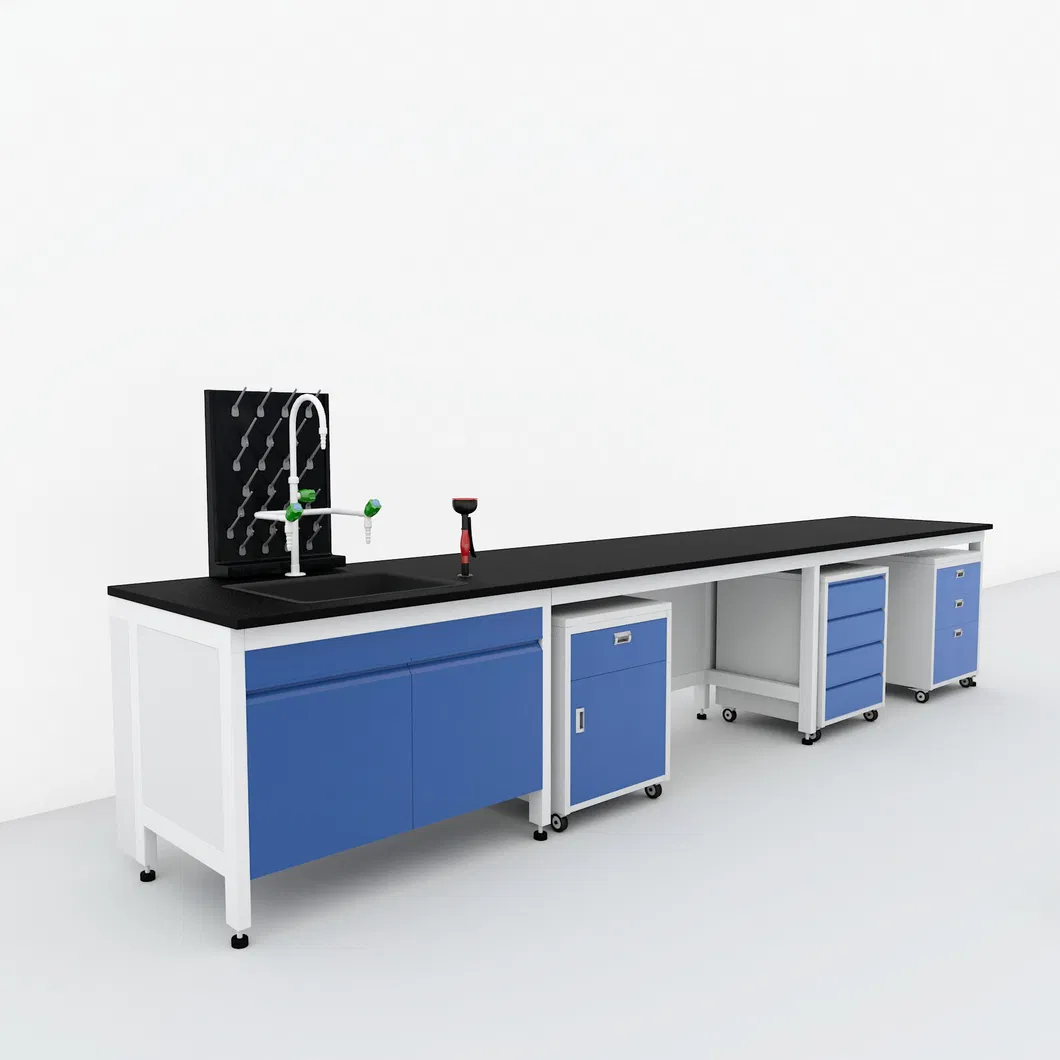
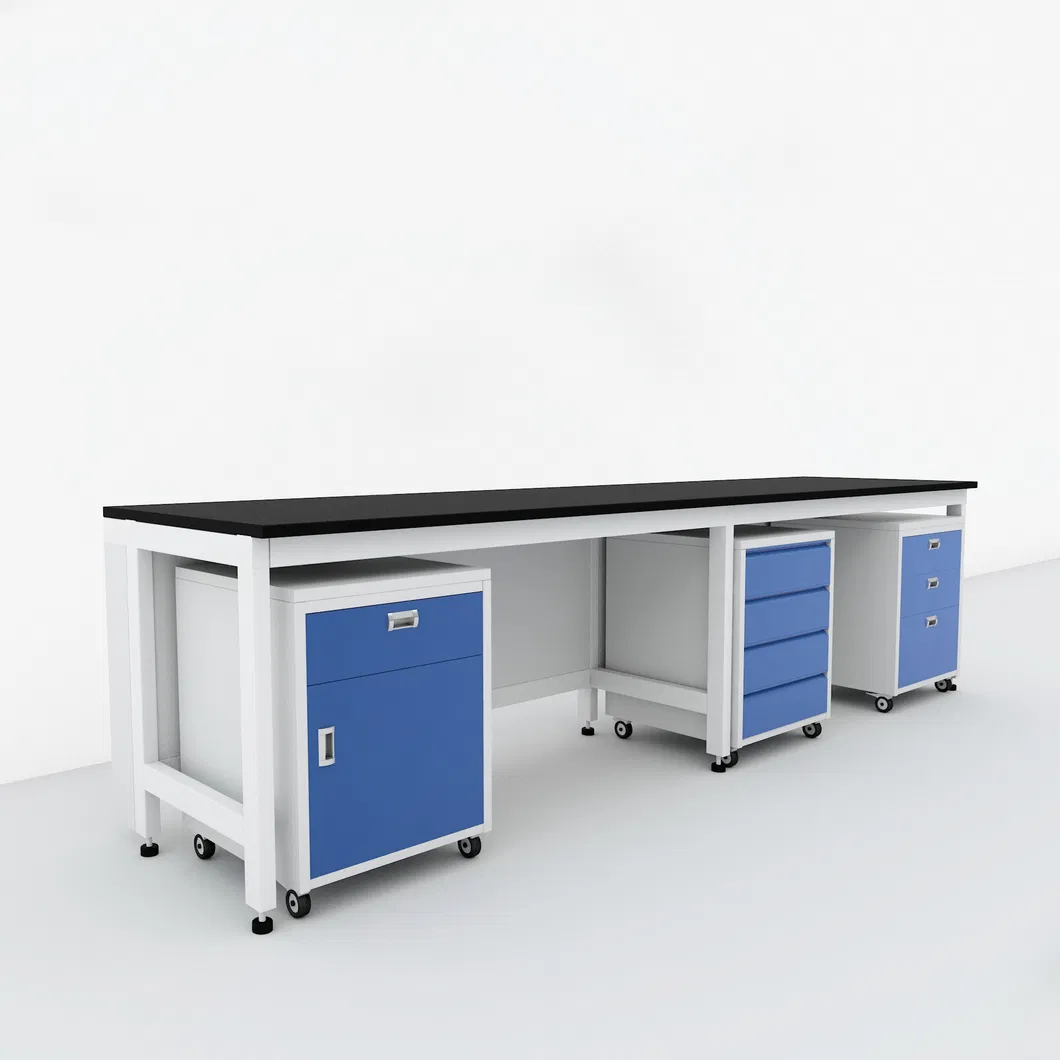
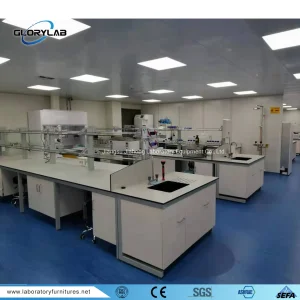
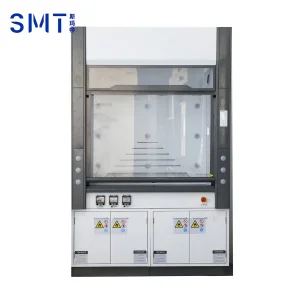
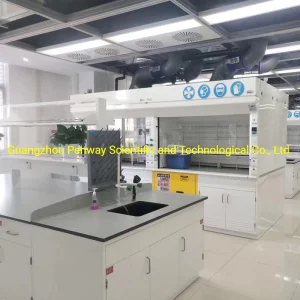
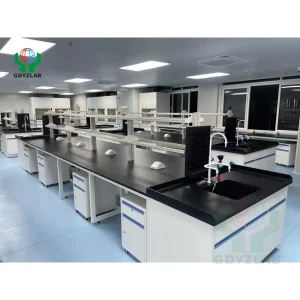
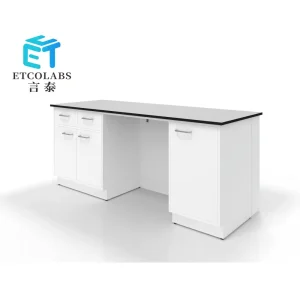
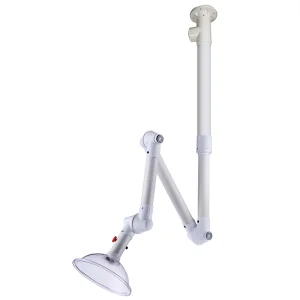
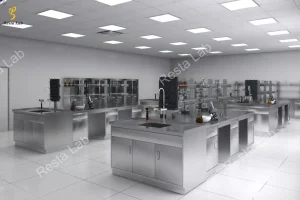
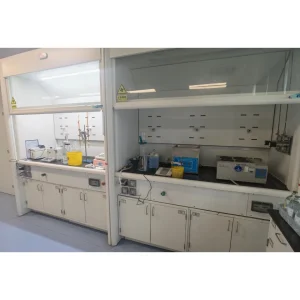
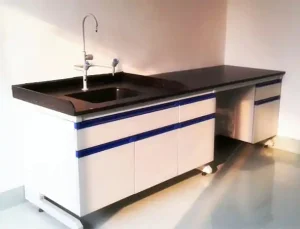
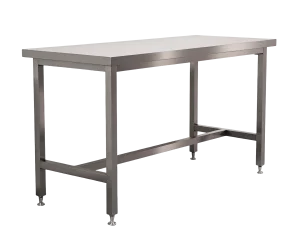
Modern Trend: The new structure represents the trend of the modern laboratory.
High Load Capacity: Higher load-bearing capacity than C-Frame structures, supporting up to 350KG/m².
Ergonomics: Greater knee and leg room for comfortable operation.
Flexible Configuration: Allows for easy reconfiguration or customization of the floor plan compared to floor-mounted units.
Space Efficiency: Flexible cases can be combined or split to fit shrinking lab spaces or expanded as needed.
Frequently Asked Questions
1. What are the main materials used for laboratory worktops?
We offer various high-durability options including Phenolic Resin, Epoxy Resin, Ceramic, Trespa, and Granite or Marble, depending on your chemical resistance needs.
2. Can the lab bench dimensions be customized?
Yes, while we have standard sizes (e.g., L*750*850mm), all our laboratory furniture can be customized in length, depth, and height to fit your specific space requirements.
3. What is the difference between H-Frame and C-Frame structures?
H-Frame structures generally offer a higher load-bearing capacity (up to 350KG/m²) and provide more knee room, making them ideal for heavy equipment and flexible lab layouts.
4. Are the cabinets resistant to chemicals and corrosion?
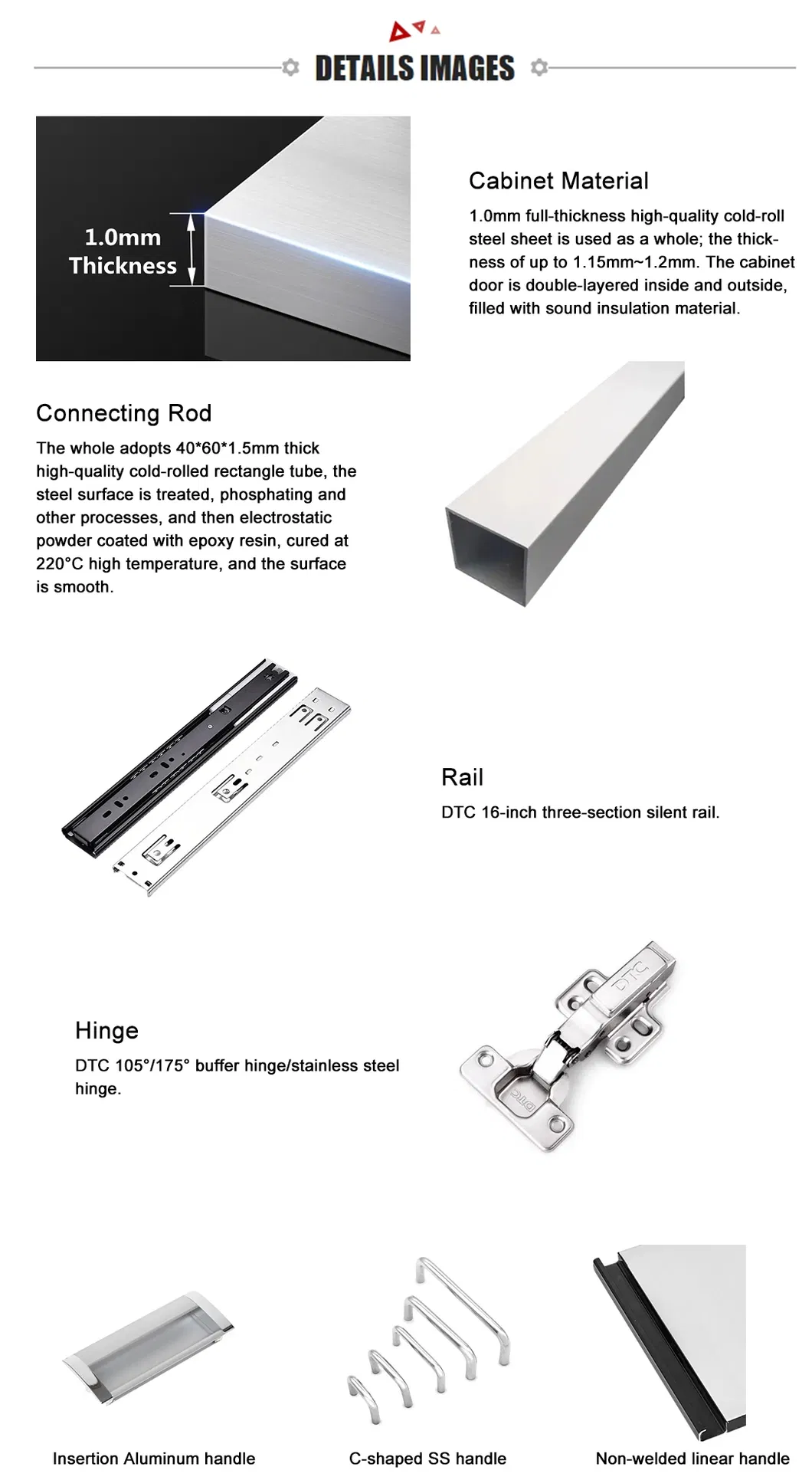
Absolutely. Our steel surfaces are treated, phosphated, and electrostatic powder coated with epoxy resin, which provides excellent resistance to acids, alkalis, and moisture.
5. What kind of accessories are typically included?
Standard accessories include water taps, PP sinks, and electrical outlets. We also use high-quality hardware like DTC silent rails and buffer hinges.
6. Is the furniture easy to install?
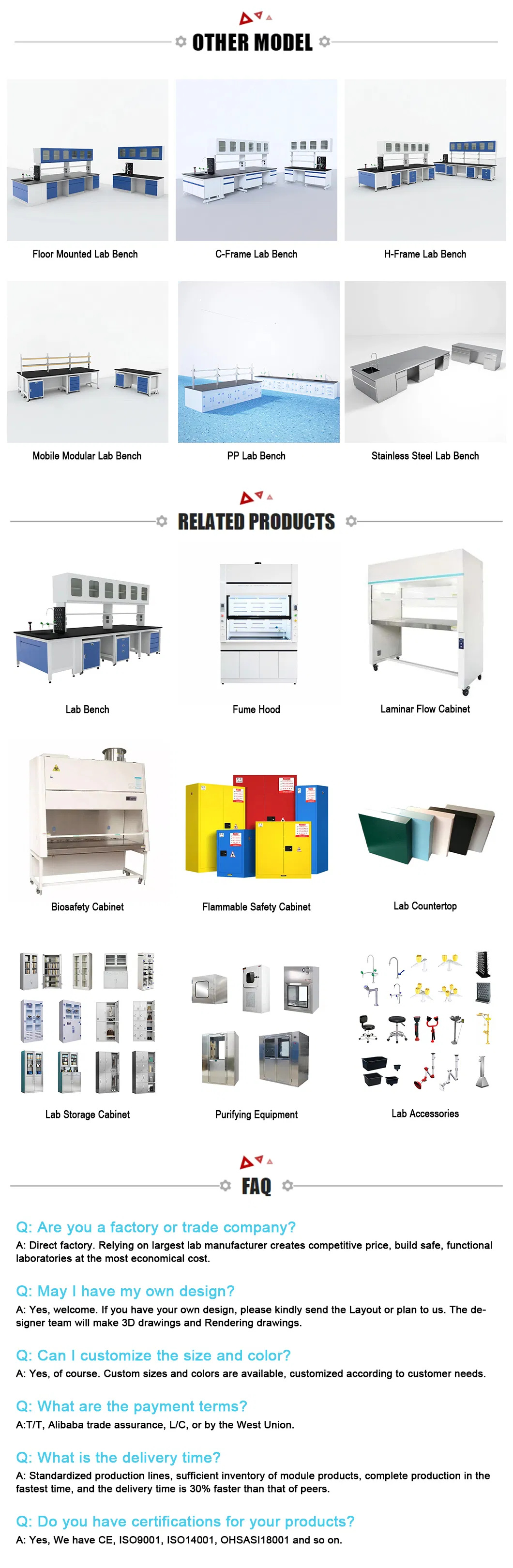
Our modular designs, particularly the H-Frame and Mobile Modular series, are designed for easy installation and can be quickly reconfigured as your laboratory needs evolve.
 Rimkok Furniture