Rimkok Furniture
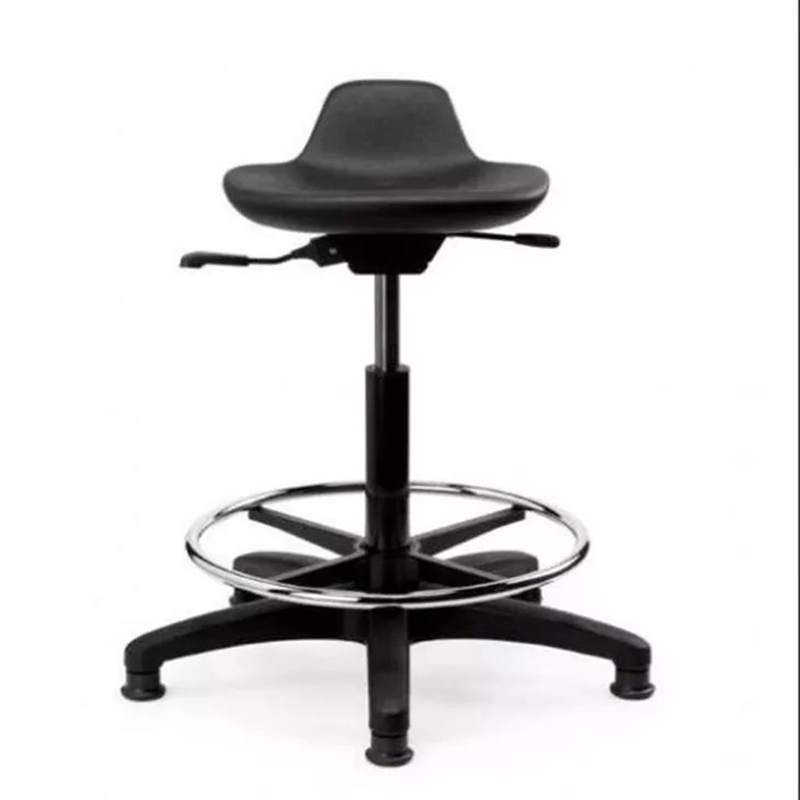
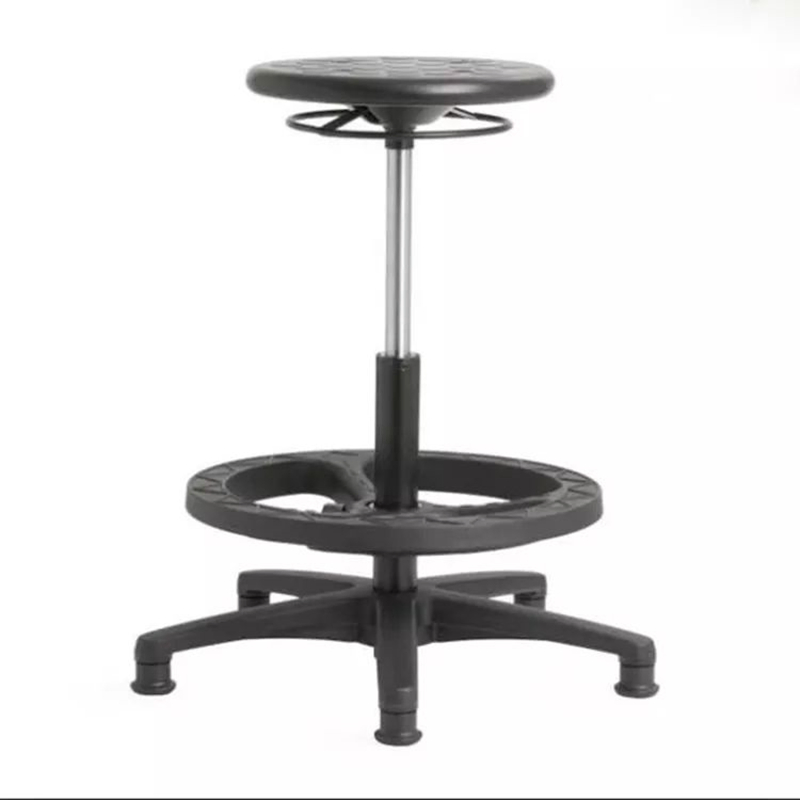
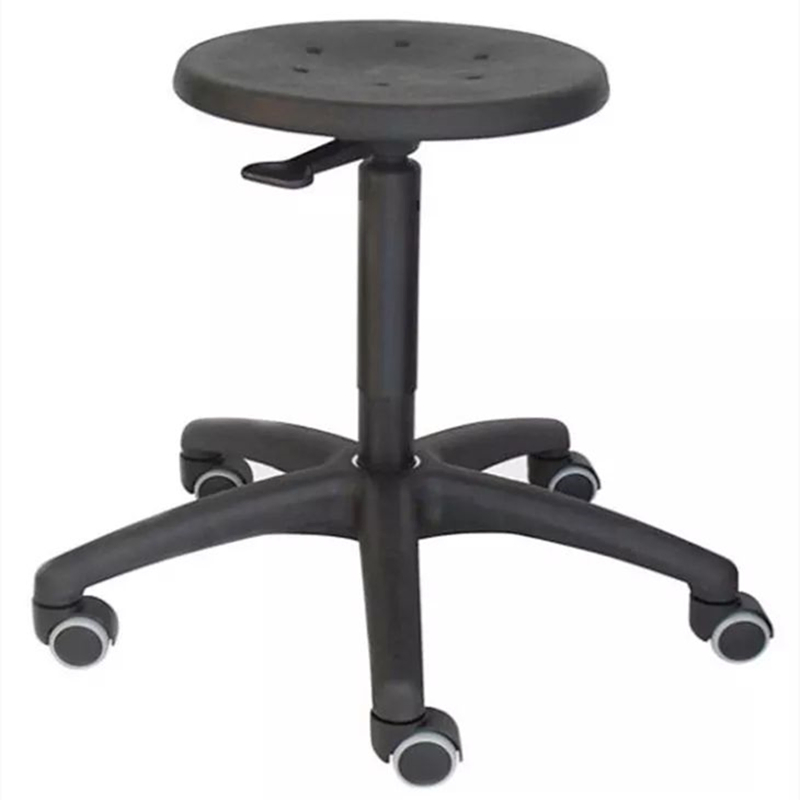
1 / 5
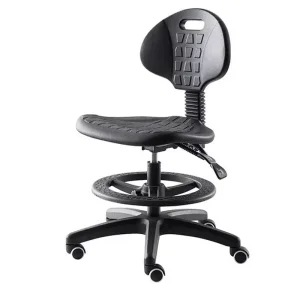
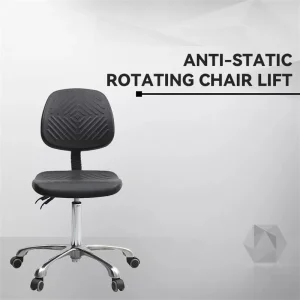
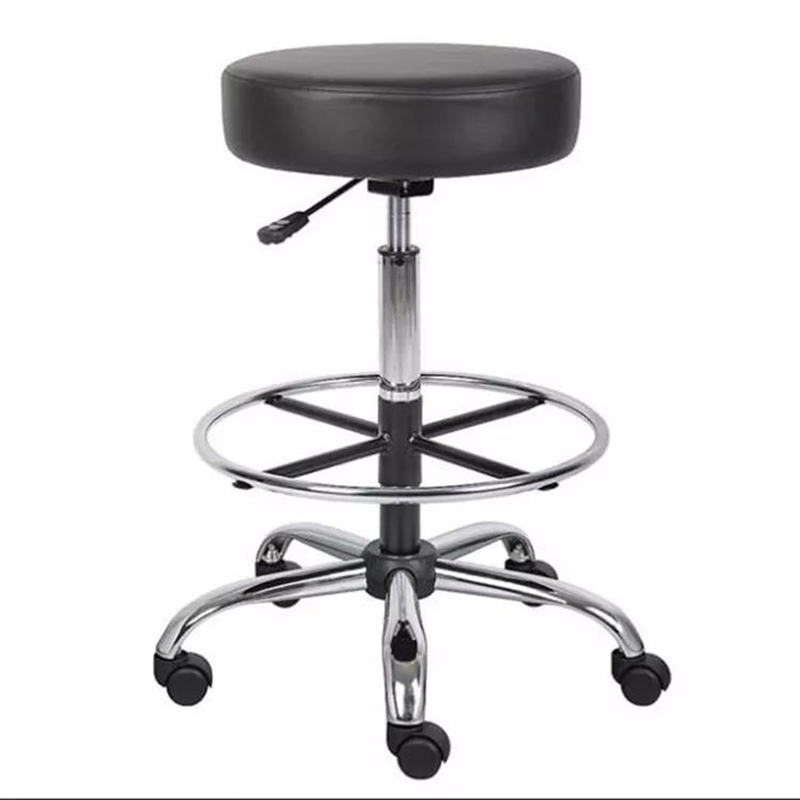
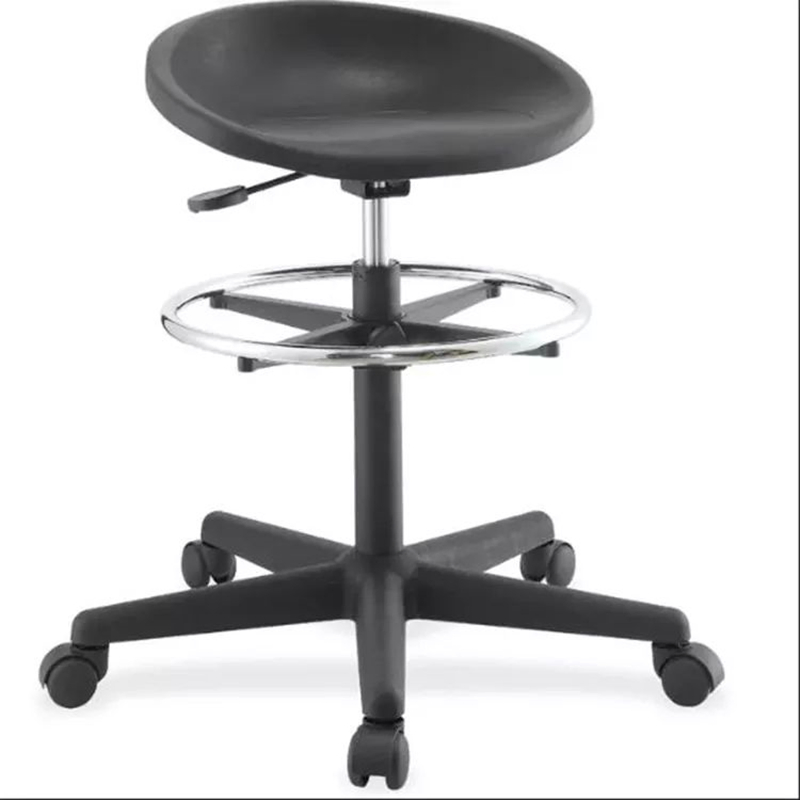
Ergonomics in the lab is just as important as in the office, the factory or any other facility. It is the main contributor to your efficiency, attitude to work, health, concentration and posture. A high quality, comfortable and well-designed lab stool is extremely important when considering your lab furnishings. Potential injury from ergonomics is underestimated, as serious muscular and skeletal injury can be the result of bad posture and static working positions.
The perfect sitting position is free of bodily strain. You should:
| Model Number | Description | Adjustable Seat Height | Diameter of Seat |
|---|---|---|---|
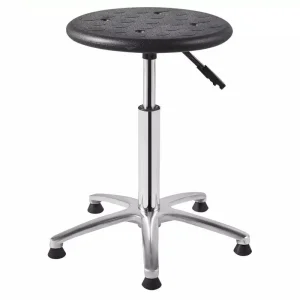
| APL-PP-140W/C | PP seat + caster wheels/foot-cushions | 44-56 cm | 32 cm |
| APL-PP-160W/C | PP seat + caster wheels/foot-cushions | 45-59 cm | 32 cm |
| APL-PP-200W/C | PP seat + caster wheels/foot-cushions | 51-70 cm | 32 cm |
| APL-PP-330W/C | PP seat + caster wheels/foot-cushions | 65-86 cm | 32 cm |
| APL-PU-140W/C | PU soft seat + caster wheels/foot-cushions | 43-56 cm | 32 cm |
| APL-PU-160W/C | PU soft seat + caster wheels/foot-cushions | 45-59 cm | 32 cm |
| APL-PU-200W/C | PU soft seat + caster wheels/foot-cushions | 50-70 cm | 32 cm |
| APL-PU-330W/C | PU soft seat + caster wheels/foot-cushions | 65-86 cm | 32 cm |
| APL-CHP-140W/C | China pattern soft seat + wheels | 44-57 cm | 32 cm |
| APL-CHP-160W/C | China pattern soft seat + wheels | 46-59 cm | 34 cm |
| APL-CHP-200W/C | China pattern soft seat + wheels | 51-70 cm | 34 cm |
| APL-CHP-330W/C | China pattern soft seat + wheels | 66-87 cm | 34 cm |
| APL-LE-140W/C | Leather soft seat + wheels | 47-62 cm | 32 cm |
| APL-LE-200W/C | Leather soft seat + wheels | 54-73 cm | 32 cm |
| APL-SS-140W/C | Stainless steel seat + wheels | 43-56 cm | 29 cm |
| APL-SS-330W/C | Stainless steel seat + wheels | 66-86 cm | 29 cm |
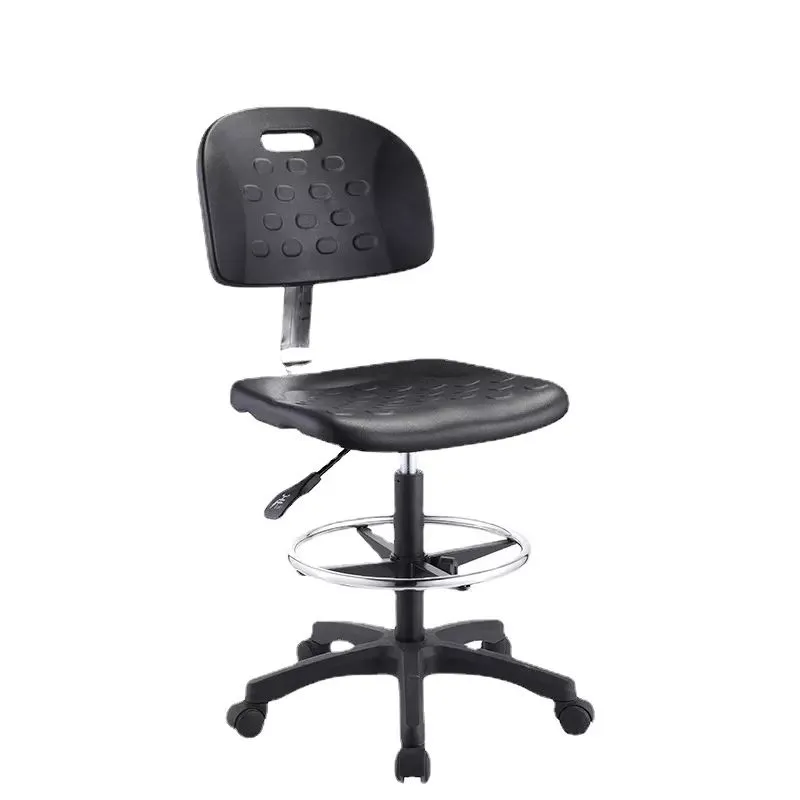
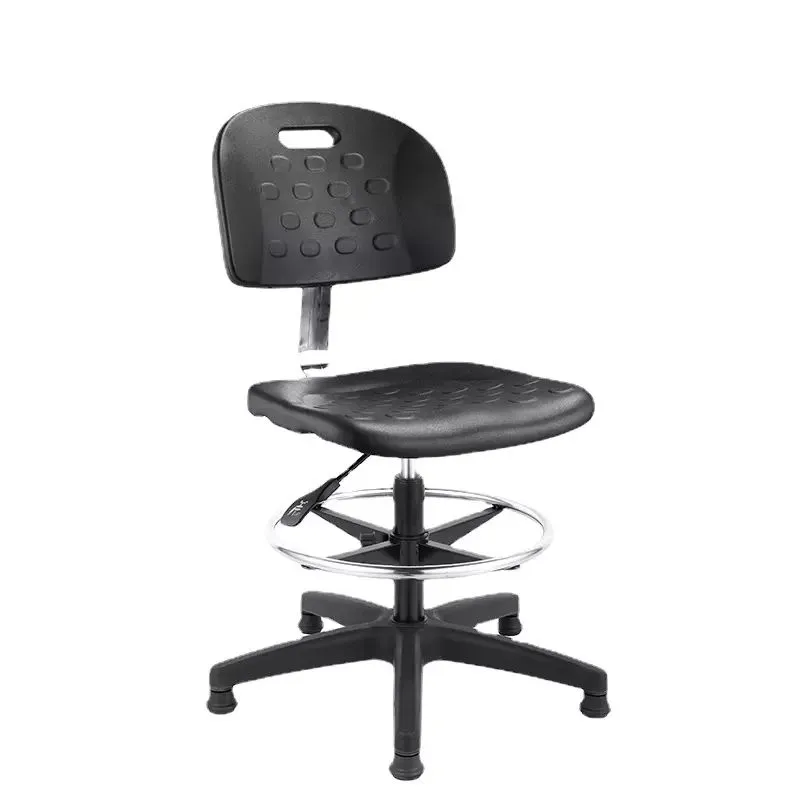
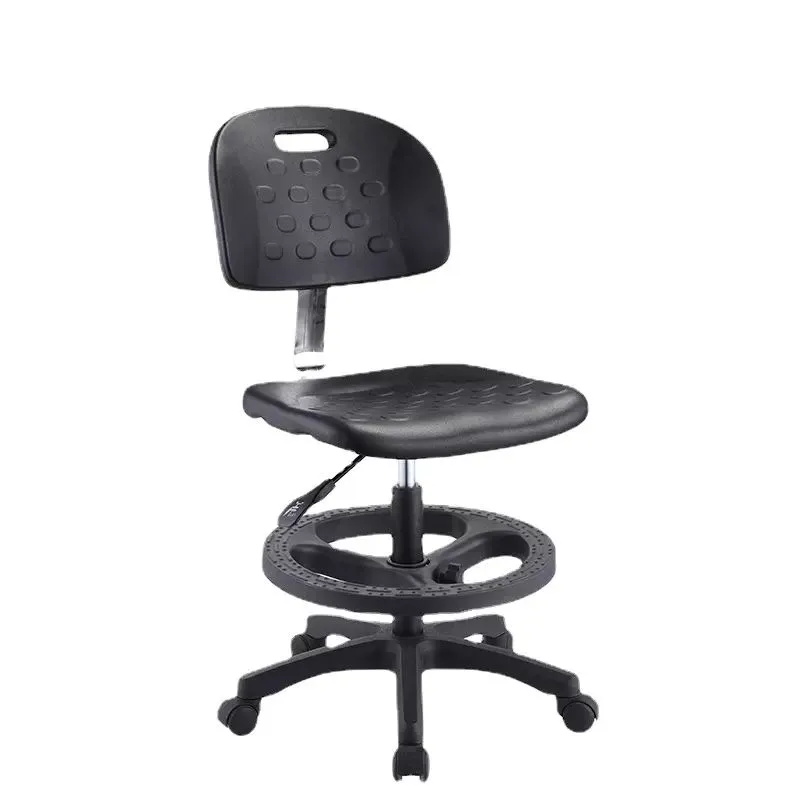
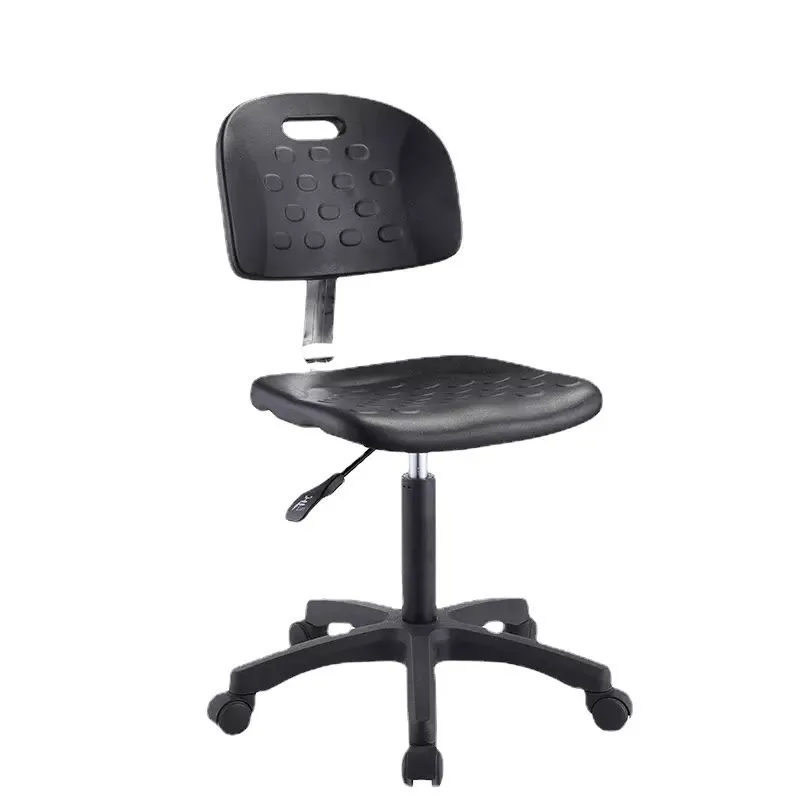
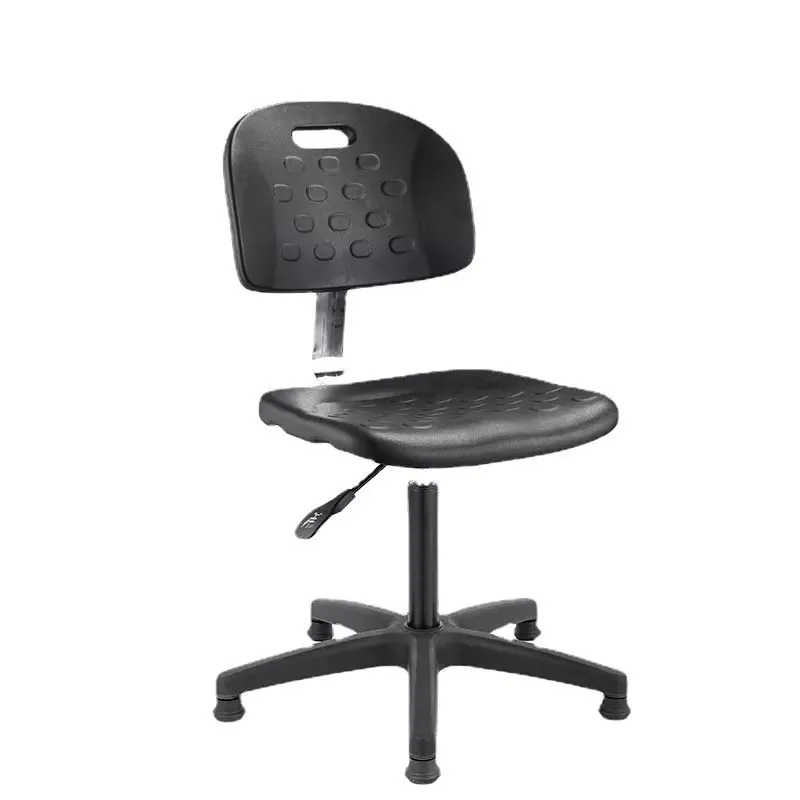

Laboratories are subject to delicate materials and dangerous exposures. A safe, durable, and purpose-built stool is essential. Stools made from engineered polyurethane are:
Laboratory stools are PC2 compliant, requiring surfaces to be smooth and resistant to damage by cleaning or decontamination agents. School-specific stools are anti-swing to ensure safety and prevent rocking.
Height: Lab chairs cater to different workstations (hoods, medium or high benches) and offer 360-degree pneumatic adjustment. Office chairs are generally limited to regular desk heights.
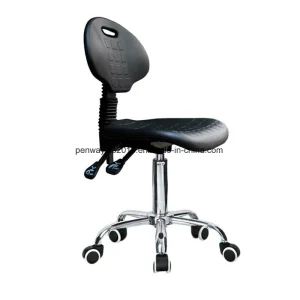
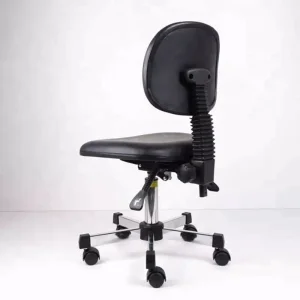
Backrest: Lab chairs feature vertically and horizontally adjustable backrests to support lumbar spine during extended tasks like pipetting. Office chairs lack this task-specific ergonomic engineering.
Armrest: Innovation in lab chairs includes 6-way adjustable armrests (up/down, in/out, twist) to ensure they do not impede delicate laboratory movements.
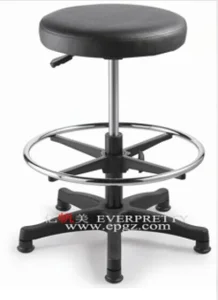
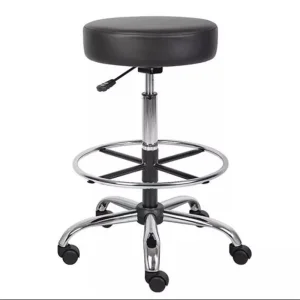
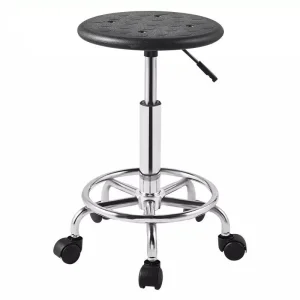
Footrings: Adjustable footrings are standard for lab chairs used at high benches, maintaining healthy circulation in the lower body, a feature often absent in office chairs.
Seat Tilt: Tilt options help users who lean forward into equipment or samples, aiding lower spine positioning and preventing accidental motions.