Rimkok Furniture
1 / 5
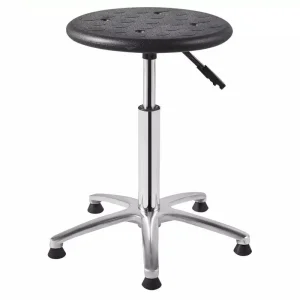
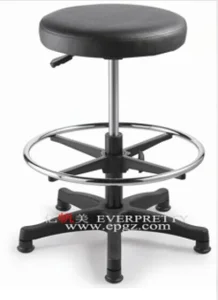
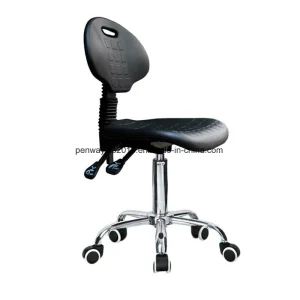
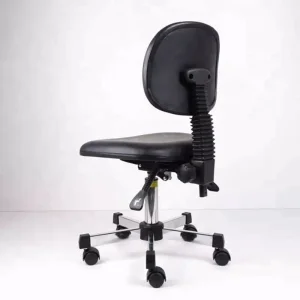
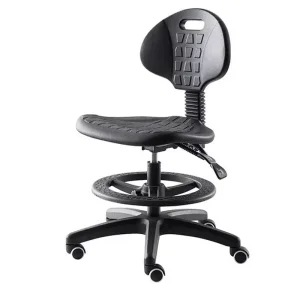
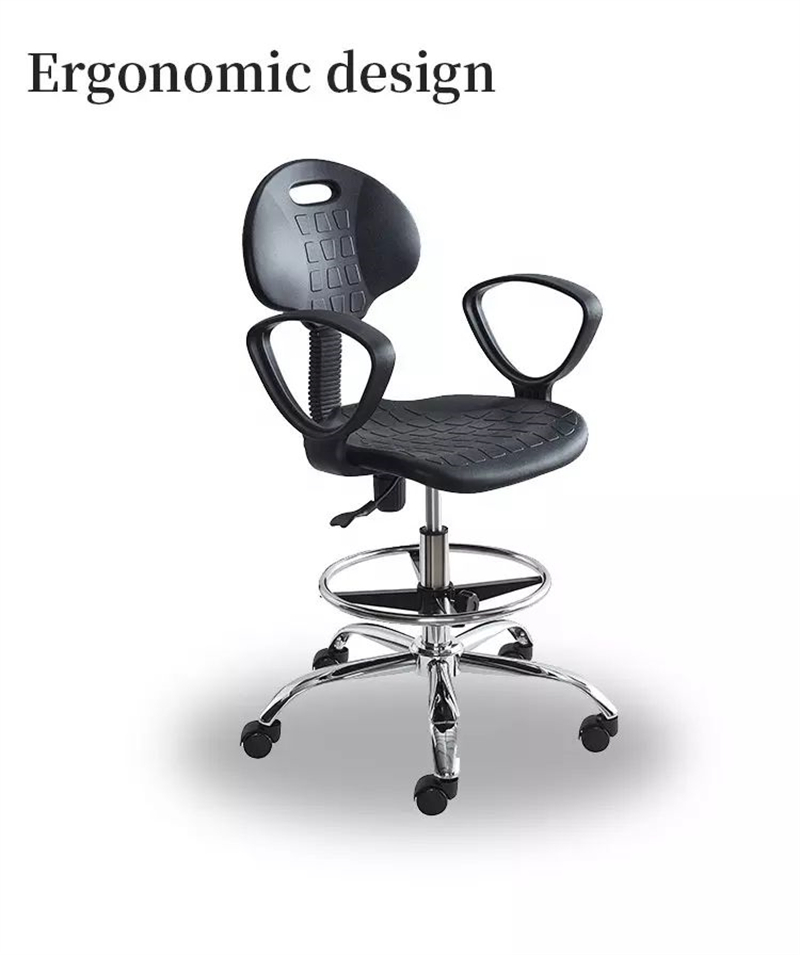
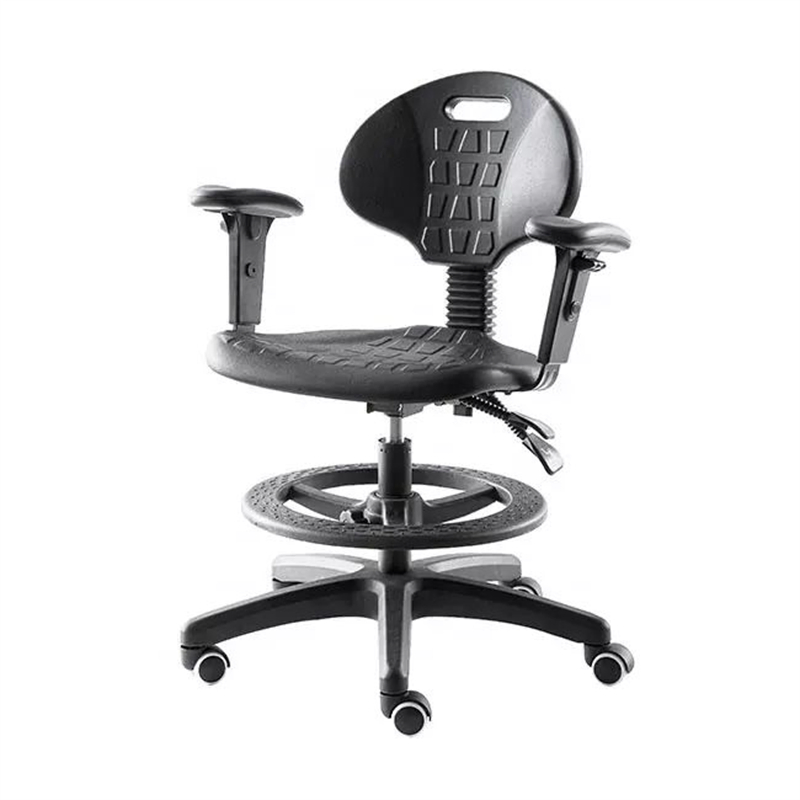
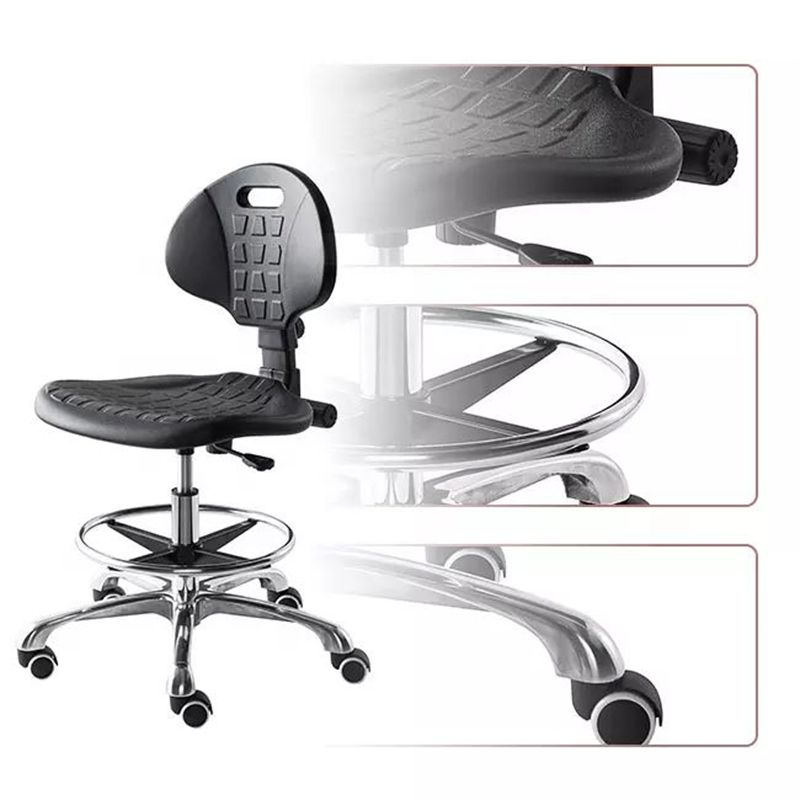
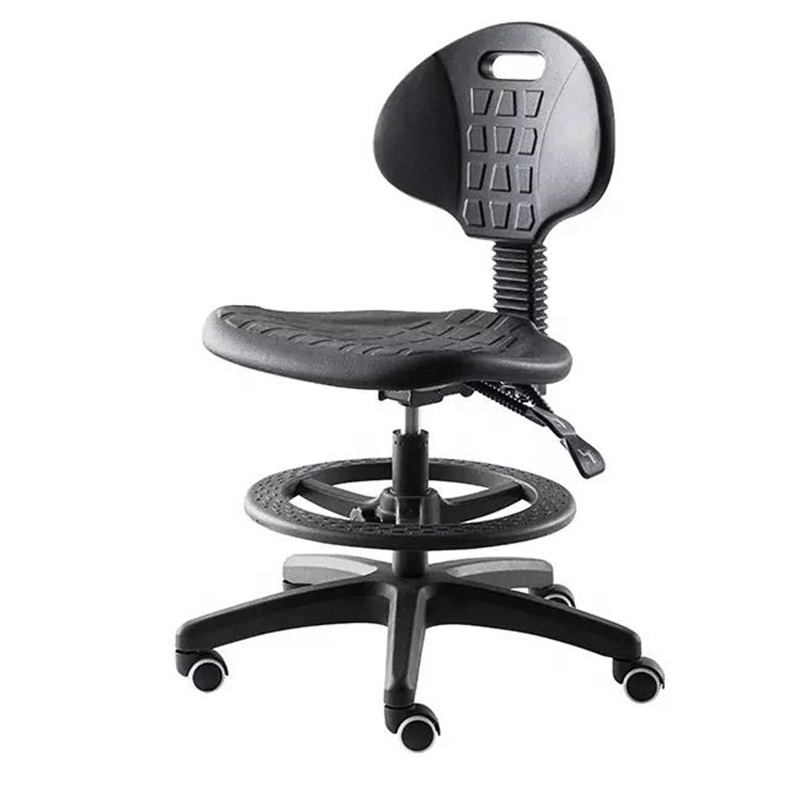
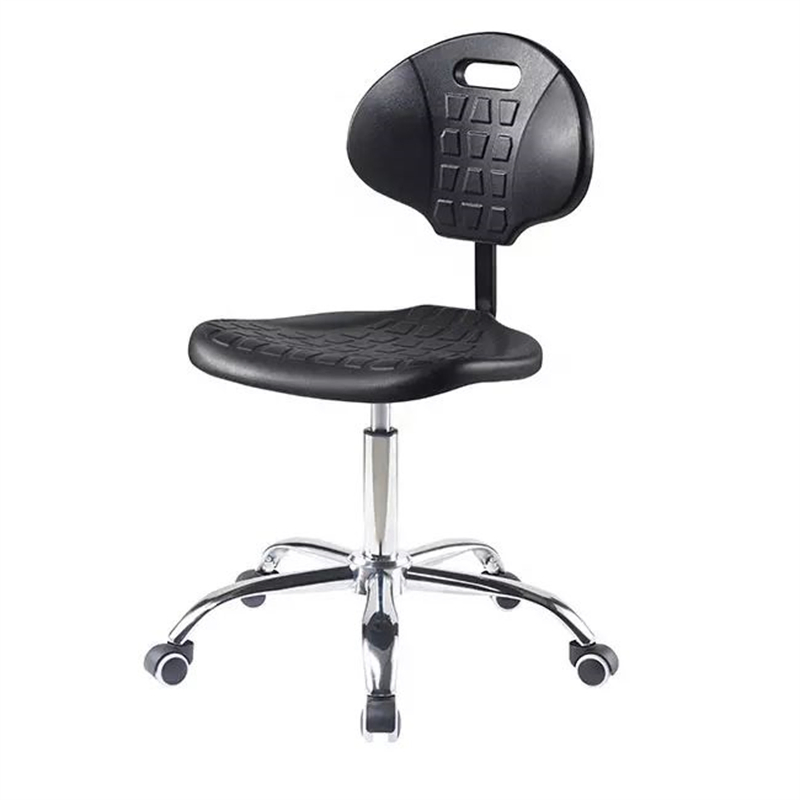
Ergonomics in the lab is just as important as in the office or any other facility. It is the main contributor to your efficiency, attitude to work, health, concentration, and posture. A high-quality, comfortable, and well-designed lab stool is extremely important when considering your lab furnishings. Potential injury from poor ergonomics is often underestimated, as serious muscular and skeletal injury can result from bad posture and static working positions.
The Perfect Sitting Position:
| Model Number | Description | Adjustable Height | Seat Diameter |
|---|---|---|---|
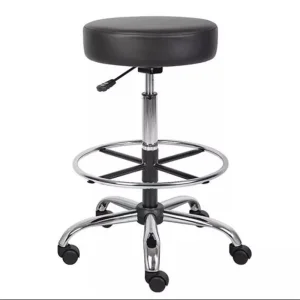
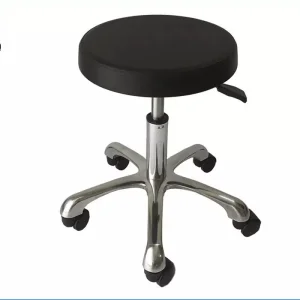
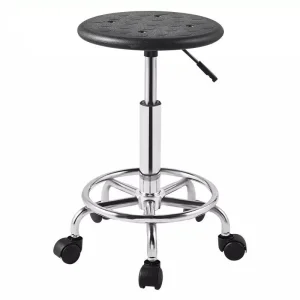
| APL-PP-140W/C | PP seat+caster wheels/foot-cushions | 44-56 cm | 32 cm |
| APL-PU-140W/C | PU soft seat+caster wheels/ foot-cushions | 43-56 cm | 32 cm |
| APL-CHP-140W/C | China pattern soft seat+casters | 44-57 cm | 32 cm |
| APL-LE-140W/C | Leather soft seat+casters | 47-62 cm | 32 cm |
| APL-SS-140W/C | Stainless steel seat+casters | 43-56 cm | 29 cm |
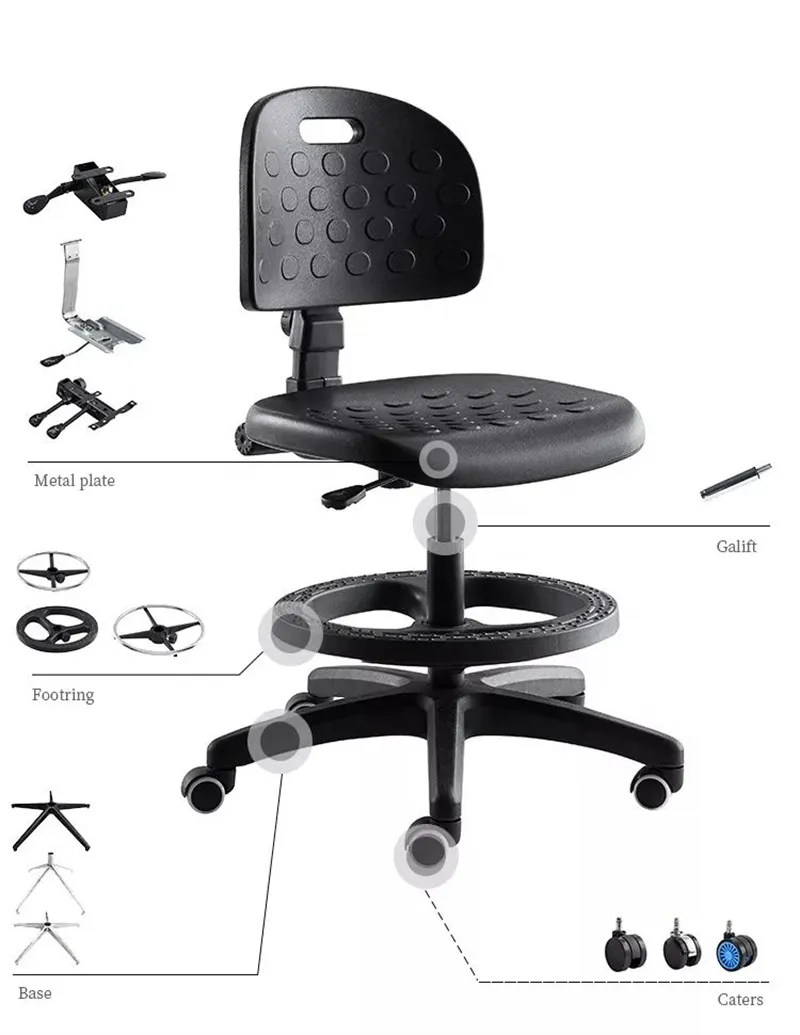
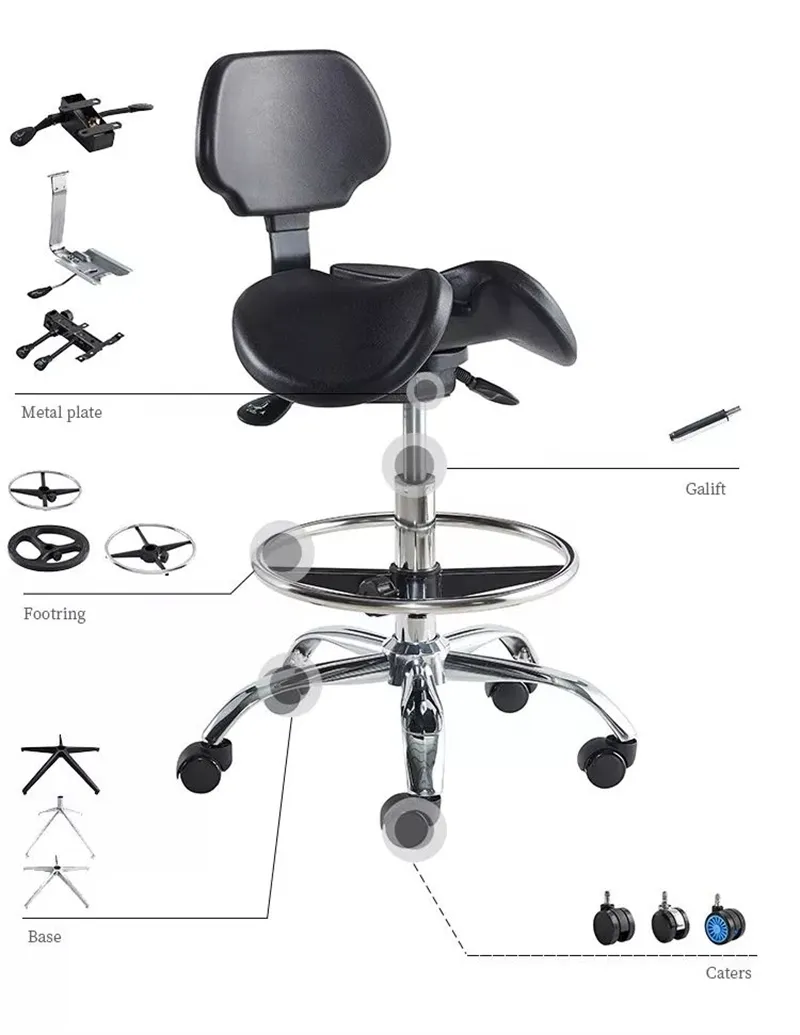
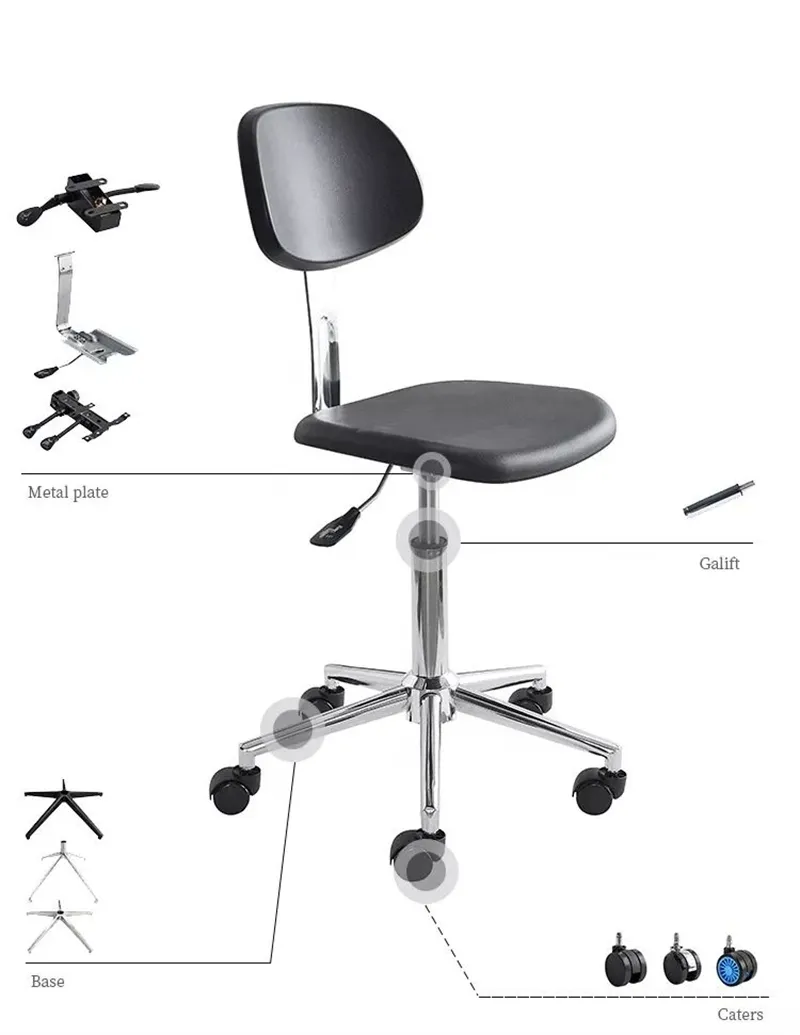
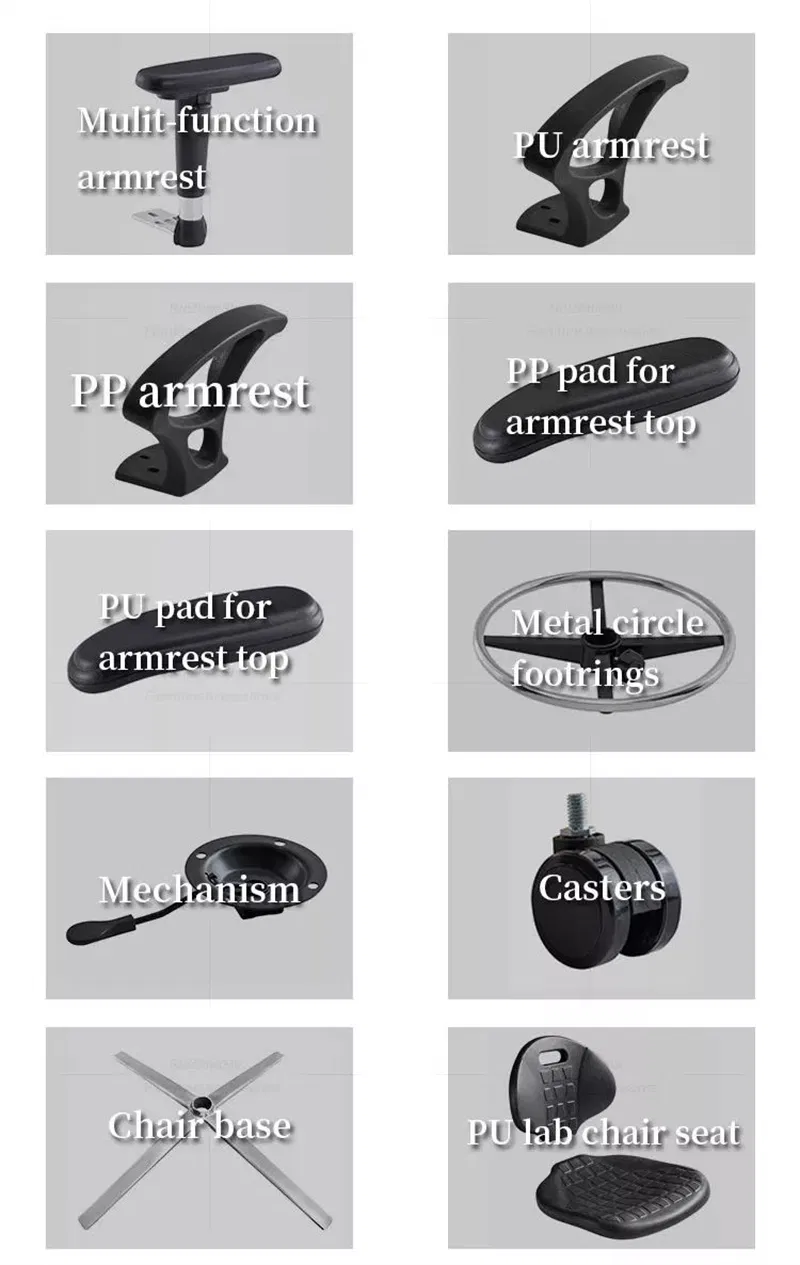

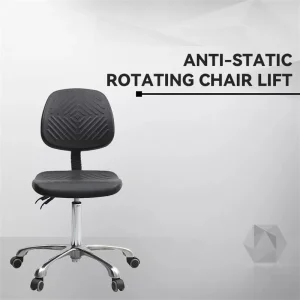
Laboratories involve delicate materials and dangerous exposures, requiring rigorous regulations. Purpose-built stools are essential for safety and durability. Unlike low-cost alternatives, professional lab stools are made from engineered polyurethane and are:
Height: Specifically designed for different workstations like hoods and high benches with wide pneumatic ranges.
Backrest: Adjustable vertically and horizontally to support lumbar spine during precision tasks like pipetting.
Tilt: Feature tilt options for users leaning forward over equipment or samples.
Height: Limited adjustment ranges suited only for standard 75cm work desks.
Backrest: Provides basic support but is not optimized for micromanipulation or dissection tasks.
Tilt: Rarely possess forward tilt features, which can lead to hunching during lab procedures.