In today's education landscape, the shift to smart classrooms is gaining momentum. Experts emphasize the importance of this transition. Dr. Emily Carter, an educational technology specialist, states, "Transitioning to smart classrooms transforms student engagement and learning outcomes." This statement encapsulates the essence of our discussion on how to transition from traditional to smart classrooms.
The integration of technology in education is no longer optional. It is essential for creating more interactive environments. Traditional classrooms often lack the tools for dynamic learning. Smart classrooms leverage tools such as smart boards, tablets, and other digital resources. This not only enhances engagement but also fosters collaboration among students. However, the journey is not without challenges. Many educators feel overwhelmed by new technologies. Some worry that they lack the necessary training to implement these tools effectively.
As we delve into this topic, we must examine both technological and pedagogical aspects. Effective transition requires a strategic approach. Schools should invest in professional development for teachers. Moreover, involving students in the process can lead to a smoother transition. It is vital to reflect on the best practices and learn from the mistakes made during this process. Embracing the challenge of how to transition from traditional to smart classrooms will ultimately benefit educators and students alike.
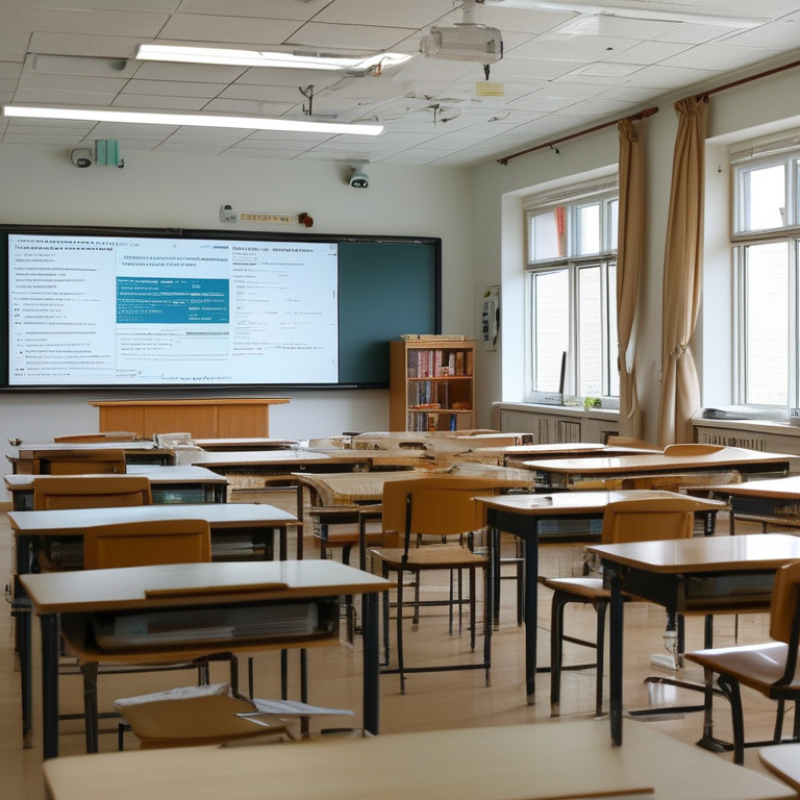
Transitioning from traditional classrooms to smart classrooms involves recognizing key differences that can enhance learning experiences. Traditional classrooms often focus on a teacher-centric model. Here, the instructor delivers lectures while students take notes. This setup can limit interactivity and engagement.
In contrast, smart classrooms leverage technology to foster collaboration. They utilize interactive whiteboards, digital resources, and real-time feedback tools. Students can participate actively in discussions using devices. This shift encourages critical thinking and problem-solving skills. However, implementing this technology may pose challenges for educators. Adapting teaching styles to engage students effectively can take time.
Moreover, the classroom environment changes significantly. Traditional classrooms may have rigid seating arrangements, limiting peer interactions. Smart classrooms enable flexible seating and group work. This promotes a sense of community. However, some students might feel overwhelmed by the fast-paced technological integration. Striking a balance between tech use and personal attention is crucial for success in this transition.
Transitioning from traditional classrooms to smart classrooms involves a careful assessment of current infrastructure. Schools often rely on outdated technology. This gap can impact teaching and learning experiences. Assessing what you currently have is the first step. Identify existing hardware, such as computers and projectors, and their compatibility with new tools.
Next, evaluate the technological needs for a smart classroom. Wi-Fi capability is crucial. It’s not enough to have just any connection; it must support multiple devices simultaneously. Interactive whiteboards and tablets can enhance engagement. However, staff training is equally important. Teachers need to feel confident using new technologies.
In some cases, schools may underestimate the requirements. Limited funding can hinder upgrading processes. Reflection on budget allocations and training resources is essential. Ensuring reliable tech support can also be overlooked, leaving educators frustrated. A thorough evaluation ensures that any transition is smooth and effective for everyone involved.
Transitioning to smart classrooms requires a strategic plan that addresses key technological components. According to a recent report by the International Society for Technology in Education, 74% of educators believe integrating technology enhances student engagement. However, only 29% of schools are equipped with adequate infrastructure. This gap illustrates the need for a thoughtful approach in implementation.
Establishing a clear roadmap is essential. Start by assessing current technology and identifying gaps. Engage educators and students in the planning process. A report from the World Economic Forum highlights that 66% of teachers feel unprepared to use new technology effectively. Training programs must focus not only on tool use but also on integrating these tools into teaching practices.
Investment in technology should be aligned with educational goals. A smart classroom isn't just about devices; it’s about enhancing learning experiences. Data from the Pew Research Center shows that interactive learning boosts retention by 60%. Schools must continually evaluate the effectiveness of their technologies, ensuring they meet evolving educational needs. Transitioning is a process, requiring reflection and adjustments along the way.
Transitioning to smart classrooms requires a significant shift in teaching methods. Educators must be equipped to use new technologies effectively. Training sessions focusing on smart tools can make a difference. These sessions should be hands-on and practical. Teachers learn best when they can experiment with tools. They should engage with technology in ways that reflect their own subjects.
Staff training is critical. Many educators may feel overwhelmed by new tech. It's essential to create a supportive environment. Encourage collaboration among staff members. Peer-to-peer training can build confidence. Educators might share best practices and lesson plans. Having a mentor can help ease the transition.
However, challenges will arise. Some devices may malfunction, and software updates can be frustrating. It’s important to acknowledge these issues. Reflection on these experiences can lead to improvement. Professional development should include troubleshooting skills. This empowers educators to handle unexpected situations while teaching. Emphasizing adaptability will enhance the overall learning experience in smart classrooms.
This chart illustrates the effectiveness of smart classroom tools based on key dimensions such as training sessions attended, usage frequency by educators, feedback from educators, and levels of student engagement. Each dimension is assessed to understand how well educators and students are adapting to the smart classroom environment.
As traditional classrooms evolve, integrating interactive learning methods is crucial. These methods can significantly enhance student engagement. Interactive elements make lessons more dynamic and foster active participation. This approach allows students to collaborate, think critically, and retain information better.
One effective tip is to incorporate technology in lessons. Use quizzes and polls to gather real-time feedback. Students can respond using their devices. Another strategy is to facilitate group discussions. Small groups encourage students to share ideas. This not only builds confidence but also develops communication skills.
While implementing these methods, teachers may face challenges. For instance, some students might resist change. It’s essential to be patient and encourage them. Additionally, technology glitches can disrupt lessons. Always have a backup plan ready. Reflecting on these obstacles can lead to more innovative solutions. Engaging students is not just about the tools; it’s about creating a supportive learning environment.
: Traditional classrooms focus on teacher lectures, while smart classrooms promote collaboration through technology.
Interactive tools allow students to participate actively, fostering critical thinking and problem-solving skills.
Adapting teaching styles to engage students with new technology can take time and may feel overwhelming.
Understanding existing technology ensures that schools can upgrade effectively without unexpected issues.
Hands-on training helps educators feel confident using new tools and enhances overall classroom effectiveness.
Encouraging peer collaboration and providing mentoring fosters a supportive environment that eases the shift.
Strong Wi-Fi capability and compatible devices like tablets and interactive whiteboards are crucial for engagement.
Limited funding can hinder upgrades, so prioritizing training and resources is essential for success.
Educators may feel frustrated and overwhelmed, which can negatively impact the learning experience.
Being adaptable helps educators handle unexpected challenges, improving the learning environment for students.
Transitioning from traditional to smart classrooms involves a comprehensive understanding of the key differences between these two educational environments. This requires assessing the current infrastructure and identifying technological needs essential for the shift. Developing a strategic plan for implementing smart classroom technology is crucial, ensuring that all necessary tools and resources are in place. Training educators and staff on how to effectively use these new tools is another vital aspect, as their proficiency can significantly impact the transition. Finally, integrating interactive learning methods will enhance student engagement, making the educational experience more dynamic and effective. Ultimately, understanding how to transition from traditional to smart classrooms is not just about technology; it’s about fostering an innovative learning culture.

Rimkok Furniture