Top 5 Safety Standards for Kindergarten Furniture You Should Know?

Time:2026-09-04 Author:Sophia
0%

When it comes to creating a safe and productive environment for young children, understanding what are the safety standards for kindergarten furniture is crucial. The juvenile furniture industry has developed specific guidelines to ensure the well-being of children. According to a 2022 report by the Consumer Product Safety Commission, nearly 200,000 injuries related to furniture occurred in the U.S. alone, signaling the need for stringent safety measures.

In educational settings, furniture must not only be functional but also secure. Materials used must be non-toxic and free of harmful chemicals. A study by the International Journal of Early Childhood found that 45% of educators reported accidents due to inadequate furniture design. This highlights the importance of adhering to established safety standards. Regardless of budget constraints, prioritizing safety is non-negotiable.

Therefore, it is essential for educators and administrators to not only be aware of current safety standards but also question the adequacy of the furniture they choose. Evaluating vendors and their compliance with regulations can prevent potential risks. In the pursuit of a conducive learning environment, understanding safety standards is the first step toward protecting our youngest learners.
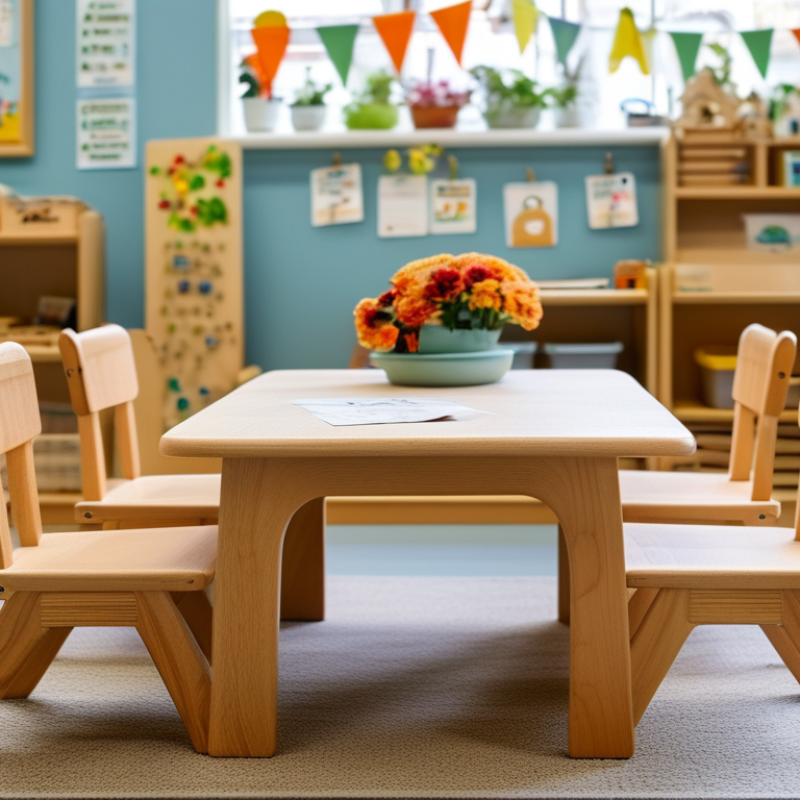
Top 5 Safety Standards for Kindergarten Furniture You Should Know?

Understanding the Importance of Safety Standards in Kindergarten Furniture

When selecting furniture for kindergartens, safety standards play a crucial role. These safety measures protect children's wellbeing while enhancing their learning experiences. Safety-oriented furniture is designed to prevent injuries, keep children secure, and create a healthy environment.

One essential safety standard is the use of non-toxic materials. Furniture must be free from harmful chemicals. This ensures that children can interact with their surroundings safely. Rounded edges on tables and chairs help prevent injuries from bumps and falls. Another important point is stability. Furniture should be sturdy to avoid accidents.

It’s also necessary to consider appropriate sizing. Furniture should match children's dimensions for comfort and safety. However, many schools overlook this detail. Commonly, they end up with mismatched sizes, leading to awkward interactions. This can hinder children's engagement in activities. Creating a safe, supportive environment is a collective responsibility that requires ongoing reflection and improvement.

Key Material Requirements for Safe Kindergarten Furniture Design

When designing kindergarten furniture, safety is paramount. The materials used should meet specific health and safety standards. According to the American Society for Testing and Materials (ASTM), sturdy furniture must be made from non-toxic materials. This minimizes the risk of harmful chemicals affecting children’s health. Wood is a preferred material. It must be certified free from harmful treatments and finishes. Many experts suggest using FSC-certified wood to ensure sustainability and safety.

Another critical requirement is the construction of the furniture. It must be stable and free from sharp edges. The Consumer Product Safety Commission (CPSC) emphasizes the importance of rounded corners. This reduces injuries during play or movement. Moreover, all paint and finishes should be lead-free. A report from the National Children's Study indicated that children are more vulnerable to the effects of toxic substances. Thus, ensuring a safe environment is essential for their development.

While focusing on these standards, there can be lapses in compliance. Not all manufacturers may adequately test their products. Industry reports reveal that around 30% of furniture evaluated in schools did not meet basic safety standards. This highlights the ongoing need for vigilance. Educators and parents should regularly inspect furniture for wear and tear. Ensuring safety is a collective responsibility, and continuous improvement is necessary in furniture design.

Top 5 Safety Standards for Kindergarten Furniture You Should Know

Standard Description Key Material Requirements Safety Features
ASTM F404 Standard Specification for High Chairs Durable plastic and metal, non-toxic finishes Stability and restraint systems
EN 1729 Furniture for Educational Institutions Wood-based panels, steel frames Rounded edges and corners
ISO 11036 Test Methods for Furniture Sustainable materials, flame retardants Non-toxic emissions and weight limits
CPSIA Compliance Consumer Product Safety Improvement Act Lead-free materials, phthalate restrictions Thorough testing for child safety
BIFMA Standards Business and Institutional Furniture Manufacturers Association Heavy-duty components and durable finishes Load-bearing tests and stability checks

Essential Structural Features for Kindergartens' Safety Compliance

When selecting furniture for kindergartens, adhering to safety standards is crucial. Essential structural features include rounded edges and non-toxic materials. Furniture should have a stable base. Stability helps prevent tipping accidents. Children are naturally curious, and they explore by climbing or leaning. Strong construction can minimize risks.

Additionally, furniture should be appropriately sized. Tables and chairs must cater to young children's heights. This ensures comfort and proper posture during activities. Furthermore, the use of secure fasteners is important. Loose parts or sharp edges can pose safety risks. Regular inspections are necessary to maintain the integrity of these items.

Soft finishes can also enhance safety. Fabrics should be durable yet gentle on little hands. Considering design aspects, colors play a role too. Bright colors can stimulate learning but should not be overwhelming. These details can sometimes be overlooked, yet they significantly impact a child's environment. A balance between aesthetics and safety is essential in creating a functional learning space.

Top 5 Safety Standards for Kindergarten Furniture

This chart illustrates the top five safety standards for kindergarten furniture and their importance levels on a scale from 1 to 10. These standards include Material Safety, Stability, Rounded Edges, Non-Toxic Finishes, and Weight Limit, highlighting their significance in ensuring a safe environment for children.

Evaluating Stability and Durability in Kindergarten Furniture

When selecting kindergarten furniture, stability and durability are paramount. Children are naturally active and prone to accidents. According to the American Society for Testing and Materials (ASTM), furniture must withstand a minimum weight of 150 pounds to ensure it remains stable during play. This standard helps prevent tipping incidents that can lead to injuries.

For durability, materials should be robust. Undeniably, particleboard or softwoods may not endure the wear and tear of a bustling classroom environment. The National Institute of Standards and Technology recommends furniture made of solid hardwoods or high-density plastics for longevity. Such materials can resist scratches and dents better than lighter alternatives.

Choosing furniture that meets safety standards is vital. Always look for certifications based on industry benchmarks. Inspect products regularly for any signs of wear. Secure furniture to walls or floors, especially larger pieces, to enhance safety. Encourage children to use furniture correctly, reinforcing the importance of stable seating and surfaces.

Proper maintenance can extend the life of kindergarten furniture. Regular inspections can spot potential risks early. If furniture shows signs of damage, replace it immediately to sustain a safe environment. It's better to be proactive than to react after an incident occurs.

Guidelines for Non-Toxic Finishes and Child-Safe Accessories

When selecting furniture for kindergartens, safety is paramount. Non-toxic finishes play a critical role in ensuring a safe environment for young children. A significant study by the U.S. Consumer Product Safety Commission indicated that more than 30% of children exposed to harmful chemicals in furniture reported respiratory issues. An eco-friendly, low-VOC finish can mitigate these risks.

Child-safe accessories are another vital aspect. Safety hinges, rounded edges, and secure fastenings are essential. Reports show that injuries from furniture-related accidents account for roughly 10% of preschool injuries. Basic modifications can drastically reduce these numbers. For instance, using furniture with ply-based materials often has lower chemical emissions than traditional methods.

Many manufacturers now comply with rigorous safety standards. These include ASTM International and the American National Standards Institute guidelines, which emphasize the importance of material testing. While these regulations are in place, not every product meets them consistently. Continuous review of furniture choices is crucial for maintaining a healthy learning atmosphere. While strides are being made, vigilance in selecting non-toxic, secure furniture is essential.

FAQS

: Why are safety standards important for kindergarten furniture?

: Safety standards ensure children's wellbeing and enhance their learning experiences.

What materials should kindergarten furniture be free of?

Furniture must be non-toxic and free from harmful chemicals for safe interactions.

How do rounded edges contribute to safety?

Rounded edges on tables and chairs prevent injuries from bumps and falls during play.

What is a key factor in the stability of kindergarten furniture?

Furniture should withstand a minimum weight of 150 pounds to maintain stability and prevent tipping.

What materials are recommended for durable kindergarten furniture?

Solid hardwoods or high-density plastics resist wear and tear better than lighter materials.

How often should kindergarten furniture be inspected?

Regular inspections can identify risks. If furniture shows damage, it should be replaced immediately.

What should schools consider for furniture sizing?

Proper sizing matching children's dimensions is crucial for comfort and safety. Mismatched sizes can hinder engagement.

How can furniture be secured in a classroom?

Larger pieces should be secured to walls or floors to enhance overall safety in play environments.

What role do teachers play in safe furniture use?

Teachers should encourage correct furniture usage to reinforce stable seating and surfaces.

Why is proactive maintenance important?

Proactive maintenance can prevent incidents. It's better to address potential issues early than to react later.

Conclusion

Understanding what are the safety standards for kindergarten furniture is crucial for ensuring a safe environment for young children. The importance of these standards lies in protecting children from potential hazards while promoting a conducive learning space. Key material requirements dictate that furniture must be made from non-toxic and durable materials that can withstand the wear and tear of daily use.

Furthermore, essential structural features must include rounded edges and sturdy designs to prevent injuries. Evaluating stability and durability is also vital, as furniture should be able to support the active movements of young children without tipping over. Lastly, guidelines for non-toxic finishes and the inclusion of child-safe accessories ensure that all components meet health safety standards. Adhering to these criteria helps create a safe and supportive atmosphere for early learning.

Sophia

Sophia

Sophia is a dedicated marketing professional with an exceptional depth of knowledge about her company's products and services. With a keen understanding of market trends and customer needs, she crafts insightful blog posts that not only inform but also engage readers, enriching the company’s online......