How Sustainable Furniture Helps Schools Earn Green Ratings?

Time:2026-11-06 Author:Charlotte
0%

A school’s green rating is shaped by more than solar panels and efficient lighting. Desks, chairs, and storage also matter. Their materials, durability, repair options, and indoor emissions can support a healthier, lower-impact learning space. The practical question is how sustainable furniture impacts school green building certification—and what evidence a project team must provide.

Sustainable-design architect William McDonough offers a useful principle: “Design is the first signal of human intention.” Applied to school furniture, that idea means looking beyond a product’s appearance. Teams can review emissions certifications, recycled or responsibly sourced content, product life, and manufacturer documentation. Reused furniture may help reduce waste, while durable pieces can avoid frequent replacement. Details count: a low-emitting classroom chair, a repairable library table, or clear sourcing records can strengthen a project’s case.

Still, buying “green” furniture does not automatically earn certification points. Rating systems differ, and credit eligibility depends on the standard, product data, and project documentation. Facilities staff, designers, and school administrators should confirm requirements before specifying products. A supplier’s broad environmental claim is not enough; request verifiable records. There is a real trade-off, too: lower-impact materials may cost more upfront or need careful maintenance. Sustainable choices can support certification and student wellbeing, but only when they fit the school’s needs and are documented honestly. Some questions remain. That is worth acknowledging.
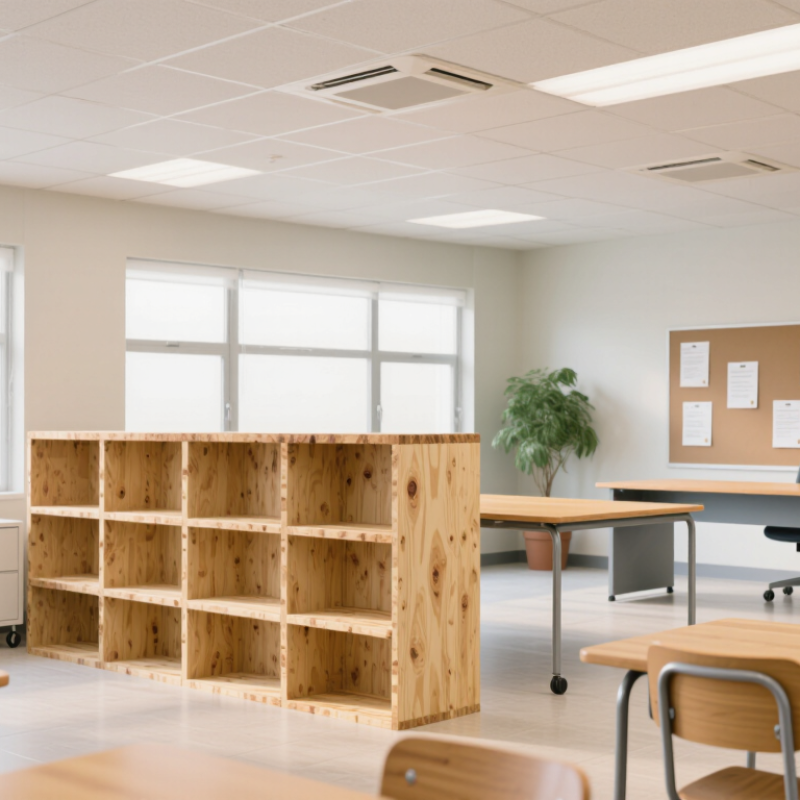
How Sustainable Furniture Helps Schools Earn Green Ratings?

What Makes School Furniture Sustainable?

Sustainable school furniture begins with what it is made from. Look for recycled content, responsibly sourced timber, and finishes with low chemical emissions. Clear material records matter more than broad claims. Independent certifications can help verify them, though requirements differ between rating systems.

It should also survive real school days. Chair legs scrape floors, desk tops collect marker stains, and parts loosen over time. Durable frames, replaceable components, and common fasteners can extend a product’s useful life. Easy-to-clean surfaces may also reduce maintenance needs. Small details count.

A product’s full life matters. Can it be repaired, reused, or recycled when a school no longer needs it? Ask suppliers for test results, emissions documentation, and repair guidance. A long warranty is useful, but it does not prove every material is sustainable. Trade-offs remain. Recycled content, for example, means little if furniture wears out quickly. Schools should compare evidence with their own needs, including student comfort, room layout, and maintenance capacity. A perfect choice is rare. A well-documented, durable one is a sensible place to start.

Which Green Rating Criteria Can Furniture Support?

Which Green Rating Criteria Can Furniture Support?

Furniture can support several green rating criteria, though it rarely earns credit on its own. Depending on the rating system and project, low-emitting materials may help protect indoor air quality. Chairs, desks, and storage units with documented emissions testing provide stronger evidence than a general “eco-friendly” claim. Some systems also recognize responsibly sourced materials, recycled content, and products with verified environmental disclosures.

Keep the paperwork. A product’s appearance cannot prove what it contains.

Durability and reuse matter, too. A solid classroom table that can be repaired, refinished, and used for years may reduce replacement needs and associated waste. Modular shelving can adapt when room layouts change. Reused furniture may support waste-reduction goals, but acceptance depends on the rating program’s rules and the project’s documentation.

Details count. Record quantities, product specifications, and where materials came from.

Consider a school renovating one classroom. Staff might compare two desks by emissions data, material sourcing, repair options, and expected service life. The cheaper desk may fit the budget now, yet fail sooner. Still, long life is not guaranteed; rough daily use can expose weak joints and damaged finishes. Ask suppliers for evidence, then check whether the project’s rating criteria accept it. A little skepticism helps.

How Sustainable Materials Improve Indoor Environmental Quality

Sustainable furniture can help schools create healthier classrooms, but material choices matter more than a green label alone. Desks and chairs sit close to students for hours. Low-emitting finishes and adhesives can reduce indoor sources of volatile organic compounds, which may affect air quality. Students notice the room. A faint chemical smell after new furniture arrives is a useful prompt to check product emissions information and allow ventilation before full use.

Materials also shape how a room handles daily wear and cleaning. Durable surfaces may need fewer replacements, while repairable parts can extend a chair’s useful life. Recycled content can conserve resources, but it does not automatically mean a product has low emissions. Small details count. Schools should review emissions testing, material disclosures, and cleaning guidance rather than relying on broad claims. Documentation can also support credits under some green building rating systems, though furniture alone cannot secure a rating.

There are trade-offs. A highly durable surface may be harder to repair, and a recycled material may still require careful review. Procurement teams can compare verified product information with classroom needs, including ventilation, cleaning routines, and expected use. Moisture-resistant materials may help in cafeterias or art rooms, where spills are common, but they should not replace prompt drying and routine maintenance.

How Furniture Durability Reduces Resource Use and Waste

A classroom chair is moved, stacked, scraped, and adjusted dozens of times. Furniture built with strong joints, replaceable glides, and repairable surfaces can stay useful through those daily demands. When a desk needs a new edge band instead of full replacement, the school avoids buying another frame and sending usable materials to disposal. Small repairs add up.

The U.S. Environmental Protection Agency’s 2018 Advancing Sustainable Materials Management report estimates that 12.1 million tons of furniture and furnishings entered the U.S. municipal waste stream that year. The figure is not specific to schools, but it shows the scale of the disposal problem. Durable furniture can reduce replacement demand and the resources used to manufacture and transport new pieces. That matters. Still, durability alone does not earn a green rating. Schools need clear purchasing records, repair plans, and evidence of reuse or responsible material choices. A sturdy chair that cannot be repaired may still become waste too soon. That is worth questioning when comparing options.

How Furniture Durability Can Support Greener Schools

U.S. furniture and furnishings in the municipal solid waste stream, 2018

Why it matters: In 2018, about 10.9 million of the 12.1 million tons of furniture and furnishings generated in the U.S. went to landfill. Choosing durable furniture and keeping it in service longer can help reduce replacement demand and discarded furniture.

Source: U.S. Environmental Protection Agency, Advancing Sustainable Materials Management: 2018 Fact Sheet. Values are rounded; percentages are calculated from the rounded tonnage.

How Schools Document Furniture Choices for Green Ratings

For a school pursuing a green rating, furniture claims need a paper trail. Keep product specifications, invoices, quantities, delivery records, and certificates together. Record each item’s location and cost, then map the evidence to the rating system’s current requirements. LEED documentation, for example, may require schools to show how purchased products meet specific material or emissions criteria. A certificate alone may not prove that the delivered model matches the one reviewed.

Track details at delivery. Photograph labels on desks and chairs, and note model numbers before packaging disappears. The U.S. Environmental Protection Agency reported that furniture and furnishings generated 12.1 million tons of U.S. municipal solid waste in 2018; 80.1% was landfilled. That figure makes durability, repair options, and end-of-life plans worth documenting alongside product certifications. Keep records of warranties, replacement parts, and any reuse or recycling arrangements. Small details matter. Still, paperwork can overstate a product’s real-life performance: a durable chair may be poorly maintained, and a recycled-content claim says little about comfort or repairability. Schools should verify claims, retain dated evidence, and note what they cannot confirm.

FAQS

Can furniture earn green rating credits by itself?

Usually not. Furniture may support specific criteria, such as low emissions or verified material sourcing. The project must meet the rating system’s requirements.

What evidence helps show that furniture has low emissions?

Keep emissions test results and product specifications for the exact model delivered. A general “eco-friendly” claim is not enough. Check the paperwork.

How can furniture choices support healthier classrooms?

Low-emitting finishes and adhesives may reduce indoor pollution sources. If new desks have a chemical smell, review emissions information and ventilate the room.

Does recycled content mean furniture is automatically sustainable?

No. Recycled materials still need review for emissions, durability, and repair options. One green feature cannot tell the whole story.

What details should schools record when furniture arrives?

Save invoices, quantities, delivery records, and product specifications. Photograph labels and model numbers before packaging is removed. Small details matter.

Can reused furniture support waste-reduction goals?

It may, depending on the rating program and its documentation rules. Record where items came from and how many are reused. Verify acceptance.

Why document durability and repair options?

Repairable tables and chairs may stay in use longer and reduce replacements. Keep warranty and spare-part details, but daily wear can still cause failures.

What should schools consider when choosing furniture for busy rooms?

Compare surfaces, cleaning guidance, and expected use. Moisture-resistant materials may help near spills, but prompt drying still matters. Not a perfect fix.

Conclusion

Sustainable school furniture supports green building goals through responsible material choices, low-emission finishes, efficient manufacturing, and long service life. When schools consider how sustainable furniture impacts school green building certification, they can connect furniture decisions to criteria such as responsible sourcing, recycled or renewable content, indoor air quality, and waste reduction. Furniture made with low-emitting materials can help limit indoor pollutants, supporting healthier classrooms and better indoor environmental quality for students and staff.

Durable, repairable furniture can remain in use longer, reducing replacement purchases, material consumption, and disposal waste. Schools can strengthen their certification documentation by keeping product specifications, material disclosures, emissions information, sourcing records, and maintenance or reuse plans. Together, thoughtful selection and clear records show how furniture contributes to broader sustainability objectives while creating learning spaces that are practical, comfortable, and designed for long-term use.

Charlotte

Charlotte

Charlotte is a seasoned marketing professional with a deep understanding of the company's portfolio and a passion for elevating its presence in the market. With a keen eye for detail and a commitment to excellence, she ensures that our professional blog is regularly updated with insightful articles......