In the realm of educational architecture, "how sustainable furniture impacts school green building certification" is a crucial debate. Experts like Dr. Emily Chen, a renowned sustainability consultant, emphasize the link between furniture choice and environmental efficiency. She states, “Sustainable furniture is not just about aesthetics; it is key to achieving green certification in schools.”
Sustainable furniture makes a significant difference. From recycled materials to non-toxic finishes, the right choices can enhance indoor air quality. This contributes to a healthier learning environment. Schools aiming for green certification must prioritize these aspects in their design. Furthermore, furniture durability often reduces waste and lowers lifecycle costs.
However, the challenge lies in balancing cost and sustainability. Many institutions face budget constraints that can hinder eco-friendly decisions. It raises questions about prioritizing sustainability in a cost-focused environment. As educators, we must reflect on these challenges and explore innovative solutions for future generations. The effects of sustainable choices reach far beyond the school itself, impacting our larger community and environment.
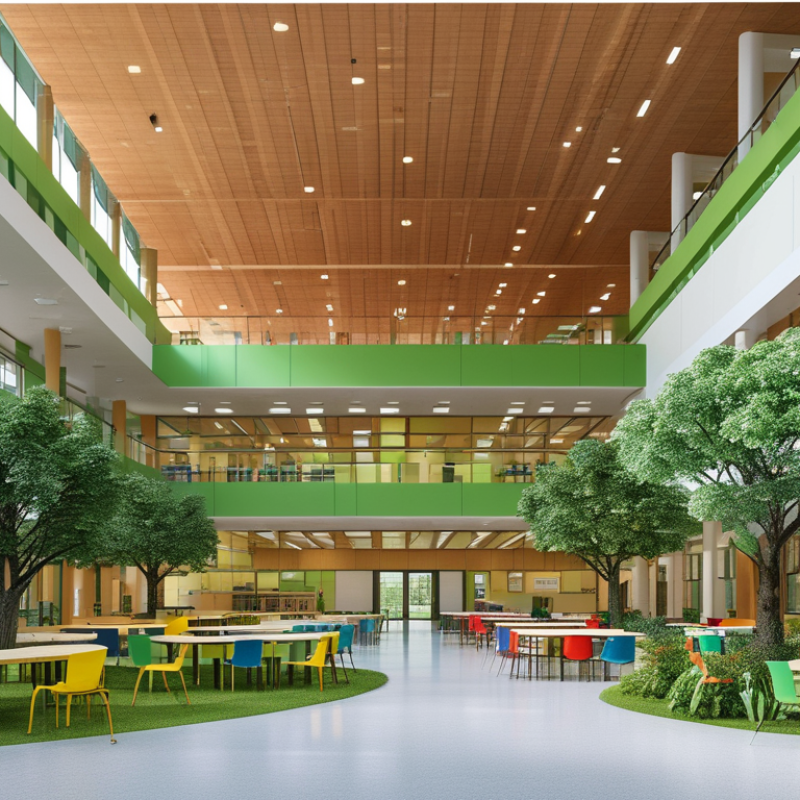
Top 10 Sustainable Furniture Options for School Green Building Certification
When considering sustainable furniture for schools, it's essential to prioritize eco-friendly materials.
Bamboo, for instance, has a fast growth rate and requires minimal resources. It’s durable and can be used for desks or chairs. Reclaimed wood is another option.
It reduces waste and adds character to school spaces. Using local materials cuts transportation emissions, making a significant impact.
It’s also vital to ensure that furniture is designed for longevity. Products that are easily repairable can limit waste. For schools, this is a practical approach.
Lightweight, modular designs promote versatility and adaptability. They can change with the needs of the space.
However, finding affordable sustainable options can challenge many institutions. Balancing budget constraints with sustainability goals isn’t straightforward.
Schools might need to consider lifecycle costs, not just initial price tags. This requires careful planning and ongoing evaluation of options.
Adopting sustainable practices is a journey, not a perfect solution. Engaging students in this process can foster a culture of sustainability.
Criteria for Selecting Sustainable Furniture for Educational Environments
When selecting sustainable furniture for educational environments, several key criteria should guide the decision-making process. Durability is essential. Furniture must withstand daily use by students while maintaining structural integrity. According to the Sustainable Furnishings Council, approximately 80% of furniture waste contributes to landfills. Choosing items designed for longevity helps mitigate this issue.
Materials play a crucial role in sustainability. Look for products made from recycled or renewable resources. Studies show that furniture made from reclaimed wood can significantly reduce carbon footprints. Additionally, non-toxic finishes and adhesives are pivotal. A report by the Environmental Protection Agency highlights that indoor air quality significantly impacts student health and performance. Furniture emitting low or zero VOCs supports a healthier learning environment.
Furthermore, functionality should inspire furniture choices. Multi-purpose furniture can enhance space utilization in classrooms. In smaller learning environments, every square foot counts. However, continuously reassessing furniture choices is important. As student needs evolve, so too should the spaces they occupy. Schools may need to adapt more frequently to keep up with changing educational methodologies. Balancing aesthetics with practicality remains a challenge, yet it's essential for fostering a supportive educational atmosphere.
Top 10 Sustainable Furniture for School Green Building Certification
| Furniture Item |
Material |
Sustainability Certification |
Recyclability |
Durability |
| Classroom Desk |
Recycled Steel and Wood |
FSC Certified |
Yes |
15 years |
| Ergonomic Chair |
Bamboo and Bioplastics |
GREENGUARD Gold |
Yes |
10 years |
| Collapsible Tables |
Recycled Plastics |
BIFMA Certified |
Yes |
12 years |
| Storage Cabinets |
Reclaimed Wood |
FSC Certified |
Yes |
20 years |
| Library Shelving |
Birch Plywood |
FSC Certified |
Yes |
15 years |
| Auditorium Seating |
Recycled Aluminum |
LEED Approved |
Yes |
30 years |
| Art Room Tables |
Recycled MDF |
CARB Compliant |
Yes |
10 years |
| Outdoor Benches |
Plastic Lumber |
FSC Certified |
Yes |
25 years |
| Multi-Purpose Room Furniture |
Sustainable Bamboo |
LEED Certified |
Yes |
15 years |
Materials and Manufacturing Processes in Sustainable Furniture Design
Sustainable furniture design is an art influenced by materials and manufacturing processes. Designers increasingly prioritize eco-friendly materials. Reclaimed wood and bamboo are popular choices. These materials reduce waste and carbon footprints.
The manufacturing process also matters. Traditional methods often use harmful chemicals. In contrast, sustainable techniques embrace non-toxic finishes and adhesives. This ensures indoor air quality remains safe. However, not all manufacturers adhere to these standards.
Crafting sustainable furniture requires a commitment to quality and ethics. Ensuring durability and aesthetic appeal can be a challenge. Many designs struggle to balance beauty and sustainability. Evaluating the sourcing and production processes is crucial. Reflection on these aspects can lead to meaningful improvements.
Top 10 Sustainable Furniture Materials for School Green Building Certification
This chart presents the sustainability scores of various materials commonly used in furniture design for schools aiming for green building certification. Materials like recycled wood and bamboo score high due to their eco-friendliness and low environmental impact, while others like soy-based foam and non-toxic paint also contribute positively to sustainable practices.
Impact of Sustainable Furniture on Indoor Air Quality in Schools
Sustainable furniture plays a crucial role in improving indoor air quality in schools. Traditional furniture often emits volatile organic compounds (VOCs), which can harm students' health. Choosing sustainable options reduces these emissions, leading to a healthier learning environment. Eco-friendly materials enhance air quality and safety within classrooms.
Many schools now prioritize sustainable furniture in their designs. For instance, using bamboo or reclaimed wood minimizes the environmental footprint. These materials not only look appealing but also are safer alternatives. Moreover, furniture with non-toxic finishes promotes better indoor air quality, providing students with a safer space to learn. Implementing these choices indicates a commitment to student well-being and sustainability.
Tips:
1. Look for certifications on furniture that assure low VOC emissions.
2. Consider multi-functional furniture to save space and enhance utility.
3. Regularly ventilate classrooms to maintain fresh air quality.
Case Studies: Successful Integration of Sustainable Furniture in Schools
Integrating sustainable furniture into school environments has proven effective in enhancing green building certification. A case study conducted by the
U.S. Green Building Council highlights that schools utilizing eco-friendly furnishings have seen a significant reduction in carbon footprints, contributing to healthier learning spaces. The study found that proper selection of materials can lower volatile organic compound (VOC) emissions by as much as 30%. This initiative not only aligns with sustainability goals but also promotes student wellbeing.
Tips for schools include prioritizing furniture made from recycled or rapidly renewable materials. Look for certifications such as Forest Stewardship Council (FSC) for wood-based products. Not every school can afford completely new furnishings, so consider refurbishing existing pieces. This approach can yield sustainable benefits while managing budget constraints.
Research indicates that schools implementing sustainable furniture report improved air quality and lower allergy rates among students. However, challenges remain, such as integrating these solutions into tight budgets. Schools must also train staff and students on the importance of maintaining sustainable furnishings. Adapting to new practices takes time, and continuous evaluation is essential to ensure long-term success.
Conclusion
The article "Top 10 Sustainable Furniture for School Green Building Certification" explores various sustainable furniture options that contribute to achieving green building certification in educational environments. It outlines critical criteria for selecting sustainable furniture, emphasizing the importance of using eco-friendly materials and responsible manufacturing processes. Additionally, the article highlights how sustainable furniture impacts school green building certification by improving indoor air quality and creating healthier learning spaces for students.
Through case studies of successful integration of sustainable furniture in schools, the article illustrates the tangible benefits of adopting such practices. By focusing on sustainable design, schools can not only meet certification requirements but also foster a more environmentally conscious atmosphere that enhances the educational experience.

 Rimkok Furniture