As educational environments evolve, many institutions are reassessing traditional classroom layouts. A notable shift has emerged: why schools are switching to flexible seating arrangements. This approach is not merely a trend; it responds to the diverse needs of today’s learners. Flexible seating allows students to choose their preferred learning space, promoting comfort and engagement.
Research indicates that students who have the autonomy to select their seating are more focused and productive. In addition, it encourages collaboration and interaction among peers. Classrooms designed with various seating options can foster a sense of community and belonging among students. However, not all schools have embraced this model yet.
Some educators are concerned about potential distractions caused by varied seating. Classroom management can become challenging with students in different types of chairs and lounges. It's important for schools to reflect on their specific situations and needs. Ultimately, while flexible seating offers benefits, schools must navigate its complexities carefully.
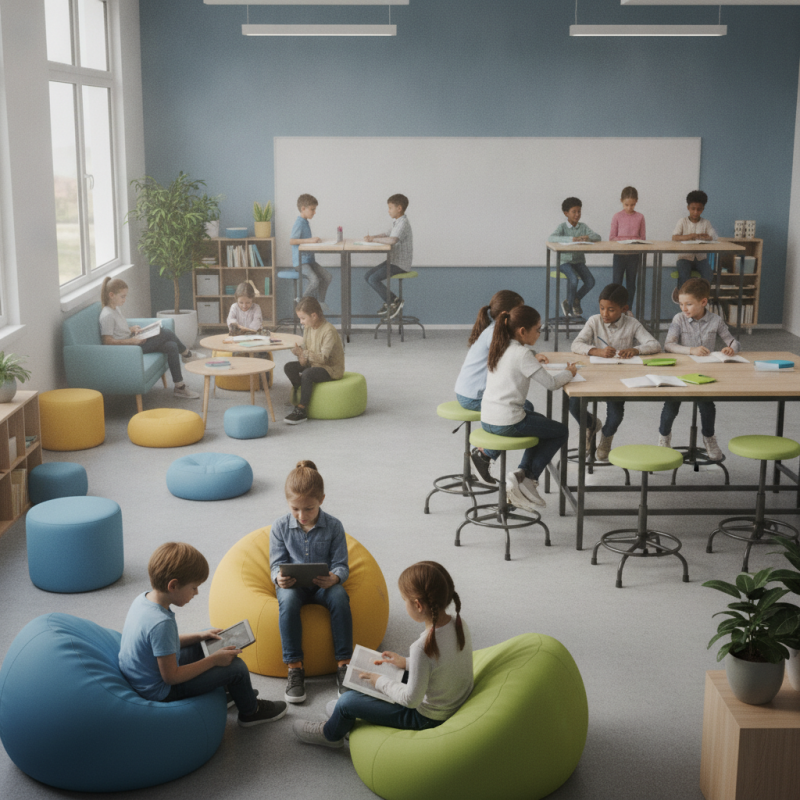
Flexible seating in educational settings is transforming how students interact with their learning environments. Traditional desks often create a rigid atmosphere, stifling creativity and collaboration. In contrast, flexible seating encourages movement and adaptation. Students can choose from bean bags, floor cushions, or standing desks. This variety allows them to find their own comfort levels.
Research shows that comfortable spaces can enhance focus and participation. When students feel at ease, their willingness to engage increases. However, not all students thrive in this setup. Some may find the lack of structure overwhelming. Teachers must consider individual needs when implementing flexible seating. This approach requires ongoing reflection and adjustment to meet diverse learning styles.
Creating a successful flexible seating arrangement demands planning. It is essential to foster a balance between choice and guidance. While flexibility promotes a sense of ownership, too much freedom can lead to distractions. An ideal classroom reflects both comfort and responsibility, supporting students in their educational journeys.
: Flexible seating improves student focus and engagement, accommodating diverse learning styles. It can increase focus by up to 30%.
Yes, some students may feel distracted or overwhelmed. A balance between flexibility and structure is necessary.
Start small with a few options. Gather feedback and set clear behavior expectations for students.
Common options include bean bags, standing desks, floor cushions, and portable chairs for student independence.
Many students report higher satisfaction levels with flexible arrangements, enjoying more comfortable and engaging spaces.
Managing behavior in less structured environments can be difficult. Ongoing assessment is crucial for success.
Flexible seating encourages teamwork and discussion. Informal areas can lead to increased willingness to share ideas.
Teachers need careful planning and reflection. Training may be necessary for managing these new classroom dynamics.
Yes, many schools report better academic outcomes, such as increased participation and higher reading scores.
Adapting to flexible seating requires trial and error. Continuous improvement demands patience and commitment from teachers.
In recent years, many educators have begun to explore why schools are switching to flexible seating arrangements as a means to enhance student learning and engagement. Flexible seating promotes a more dynamic classroom environment where students can choose their seating preferences—be it floor cushions, bean bags, or standing desks—encouraging collaboration and active participation. The benefits of such arrangements include increased comfort and focus, which can lead to improved academic performance and motivation.
However, implementing flexible seating is not without its challenges. Teachers must thoughtfully consider classroom layout, student needs, and potential distractions. Despite these hurdles, numerous case studies demonstrate the success of schools that have adopted this approach, highlighting significant improvements in student behavior and learning outcomes. As educational institutions continue to seek innovative ways to foster a positive and effective learning atmosphere, flexible seating arrangements are becoming a pivotal strategy.

 Rimkok Furniture