Why Proper Desk Arrangement Boosts Collaboration in Classrooms?

Time:2026-08-10 Author:Madeline
0%

In today’s educational landscape, the importance of collaborative learning is widely recognized. Educators are often tasked with enhancing student interactions. One vital aspect is how to arrange desks in a collaborative classroom. The layout of desks can either foster teamwork or hinder communication among students.

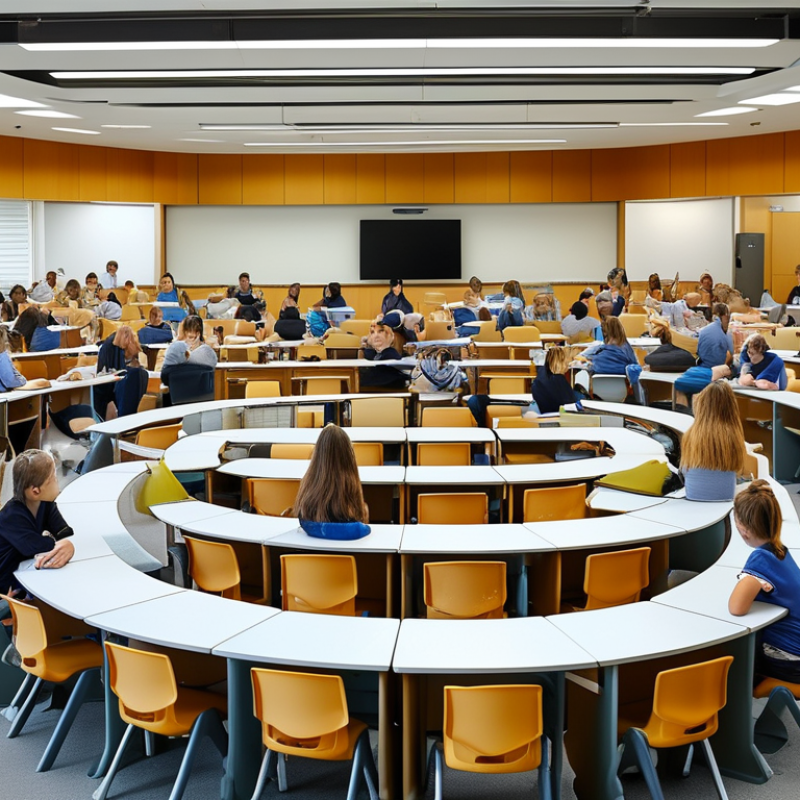
Proper desk arrangement encourages open discussions and peer interactions. Circular or U-shaped setups allow students to see each other easily. Such arrangements promote a sense of community, which is essential for collaboration. Research shows that students are more engaged when they can interact face-to-face.

However, not all classroom layouts work for every group. Some students may feel isolated in certain arrangements, while others thrive in more structured settings. Teachers need to be aware of these dynamics and adjust accordingly. Reflecting on the effectiveness of desk arrangements is crucial for optimal collaboration.
Why Proper Desk Arrangement Boosts Collaboration in Classrooms?

Importance of Classroom Environment for Collaborative Learning

A well-arranged classroom can significantly enhance collaborative learning. Research from the Journal of Educational Psychology shows that students in collaborative settings perform better academically. The layout of desks influences interaction. Flexible seating arrangements promote discussion and teamwork. When students sit in circles or clusters, they are more likely to communicate and share ideas.

Collaboration thrives in an environment that encourages engagement. The National Education Association states that collaborative learning increases student retention by 50%. This statistic highlights the importance of a classroom setup. Desks that face each other facilitate eye contact and connection. However, many classrooms still use traditional rows. This outdated design can hinder collaboration and limit student interaction.

Creating an effective space requires consideration of various elements. Lighting, acoustics, and layout all play roles in collaboration. Poor acoustics can make it difficult for students to hear each other. In contrast, optimal lighting can energize a group discussion. It’s essential to reflect on how the classroom design impacts social interaction. A thoughtful arrangement invites participation but requires regular adjustments based on student needs. The goal is to create a balance that fosters an inclusive and collaborative environment for all learners.

Various Desk Arrangements and Their Impact on Interaction

Desk arrangements play a crucial role in fostering collaboration in classrooms. Various setups can significantly influence student interaction and engagement. A circular arrangement encourages open discussions, allowing students to face one another directly. This setup promotes active participation. Group clusters facilitate teamwork, making it easier for students to share ideas and resources. However, such arrangements may also lead to distractions and off-topic conversations.

Contrast this with traditional row seating. While it provides a clear focus on the teacher, it often limits student interaction. In such environments, students might feel isolated and less inclined to contribute. Interestingly, research suggests that mixing arrangements could balance these elements. For instance, using rows for lectures followed by group work can enhance both focus and collaboration.

It’s essential to reflect on individual classroom needs. Not every arrangement suits all subjects or age groups. Teachers may need to adjust layouts periodically based on specific goals. Keeping the environment dynamic helps maintain student interest. Ultimately, exploring various desk arrangements can lead to better collaboration and a more engaging learning experience.

How Desk Arrangement Influences Student Engagement and Participation

Desk arrangement plays a crucial role in enhancing student engagement and participation in classrooms. When desks are arranged in clusters or circles, students can see each other better. This visibility fosters communication and collaborative learning. In contrast, traditional rows can isolate students. They may feel less inclined to engage in discussions or ask questions.

Tips for enhancing desk arrangements: Consider flexible seating to accommodate group work. Allow students to rearrange their desks for projects. This empowers them and boosts participation. Interestingly, not all students thrive in the same environment. Some may prefer quiet corners for solo work, while others flourish in collaborative areas. It's vital to observe and adapt to these needs.

Reflecting on your classroom setup can reveal surprising insights. Are there areas where students consistently seem disengaged? Adjusting desk placements could revive interest. Remember, each change should be assessed for its impact on student collaboration. Engaging with students about their preferences can also provide valuable feedback. This process requires patience and a willingness to experiment.

Techniques to Optimize Desk Layout for Enhanced Collaboration

Classroom desk arrangement plays a crucial role in enhancing collaboration. Research indicates that optimal layouts can improve student interaction by up to 40%. This highlights the importance of designing spaces that foster teamwork and communication. Arranging desks in clusters or U-shapes encourages face-to-face dialogues. It creates an open environment where students feel comfortable sharing ideas.

Moreover, implementing flexible desk layouts promotes adaptability. Reports show that 75% of teachers believe flexible seating increases student engagement. Incorporating movable furniture allows for multiple configurations, catering to different activities and group sizes. By enabling students to reconfigure their workspace, educators can accommodate diverse collaborative needs. However, not every setup works for all classes. An ongoing reflection on effectiveness is vital for fine-tuning arrangements.

Visual elements also matter. Incorporating visual tools like whiteboards or bulletin boards in proximity to desks can enhance collaboration. Studies suggest that visually stimulating classrooms can boost creativity by 25%. While optimizing desk arrangements, balancing aesthetics and functionality is essential. Regular feedback from students can help identify what truly works in promoting collaborative efforts.

Why Proper Desk Arrangement Boosts Collaboration in Classrooms? - Techniques to Optimize Desk Layout for Enhanced Collaboration

Desk Arrangement Type Collaboration Score (Out of 10) Communication Opportunities Optimal Group Size Recommended Activities
Circular Arrangement 9 High 4-6 Group Discussions
U-Shaped Arrangement 8 Moderate 6-8 Presentations & Debates
Cluster Arrangement 7 Moderate 4 Team Projects
Traditional Row Arrangement 5 Low 1-2 Lectures
Flexible Arrangement 10 Very High 5-10 Workshops & Creative Sessions

Research Findings on Desk Layouts and Classroom Dynamics

Classroom dynamics are significantly influenced by desk arrangements. Research shows that layout affects students' engagement and collaboration. When desks are grouped closely, students can easily share ideas. They become more likely to participate in discussions. Conversely, traditional rows can create a barrier to interaction. Students may feel isolated and less inclined to speak.

Various studies indicate that clusters of desks enhance teamwork. This setup allows for eye contact and encourages conversation. Students feel more comfortable expressing their thoughts in small groups. However, this isn't a one-size-fits-all solution. Some students may prefer a solitary space to concentrate. It's essential to balance collaboration with individual learning needs.

Teachers should consider various layouts. Experimenting with different arrangements can reveal what works best. Flexibility is key. While a collaborative setup may benefit many, some students might struggle in group settings. Listening to student feedback can guide effective desk arrangements. It's an ongoing process that requires adjustment and reflection.

Why Proper Desk Arrangement Boosts Collaboration in Classrooms

FAQS

: How does classroom layout affect collaborative learning?

: A well-arranged classroom enhances collaborative learning by encouraging interaction and discussions among students.

What seating arrangement promotes active participation?

Circular or cluster seating allows students to face each other, thus fostering open discussions and exchanges of ideas.

Why are traditional rows often ineffective for collaboration?

Traditional rows limit student interaction, making students feel isolated and less likely to contribute to discussions.

What makes flexible seating arrangements beneficial?

Flexible seating adapts to different activities, increasing student engagement and allowing for varied collaborative needs.

How important are visual elements in a classroom?

Visual tools near desks can boost creativity and collaboration, making the learning environment more engaging.

What should teachers consider when arranging desks?

Teachers need to reflect on individual classroom needs and adjust layouts based on specific subjects and goals.

Can desk arrangements lead to distractions?

Yes, group arrangements can sometimes cause off-topic conversations, requiring careful management from teachers.

What role does lighting play in collaborative learning?

Optimal lighting can energize discussions, while poor lighting may hinder student engagement and interaction.

How can educators balance aesthetics and functionality?

Regular feedback from students helps identify effective setups, ensuring that the classroom remains both appealing and practical.

Conclusion

In today's educational environment, the arrangement of desks plays a crucial role in fostering collaboration among students. Proper desk arrangement enhances the classroom environment for collaborative learning by promoting interaction and communication. Various desk layouts, such as circular or group clusters, significantly impact student engagement and participation, allowing for more fluid conversations and teamwork.

To optimize desk layout for enhanced collaboration, educators must consider techniques that facilitate movement and eye contact among students. Research findings suggest that effective desk arrangements can improve classroom dynamics, leading to increased cooperation and a more interactive learning experience. Understanding how to arrange desks in a collaborative classroom is essential for educators aiming to create a supportive and productive environment that encourages teamwork and mutual learning.

Madeline

Madeline

Madeline is a dedicated marketing professional with a wealth of expertise in our company's core offerings. With a keen understanding of the industry, she brings a unique perspective to her role, consistently delivering high-quality content that highlights the superior aspects of our products. As......