Folding chairs are versatile and practical furniture pieces. However, many users may wonder why do folding chairs break and how to prevent it. Understanding the common causes of folding chair failures can help you maintain their longevity.
Frequent issues include weak joints, overloading, and poor materials. Many people unknowingly exceed the weight limits, leading to structural failures. Additionally, chairs with low-quality materials wear out faster. Regular inspection of your chairs is essential to ensure safety and durability.
Knowing how to care for your folding chairs is crucial. Proper storage is often neglected. Keep them in a dry, cool place when not in use. Taking simple precautions can significantly extend their life. It is important to reflect on your usage patterns and habits. By doing so, you can take actionable steps to prevent frustrations with broken furniture.
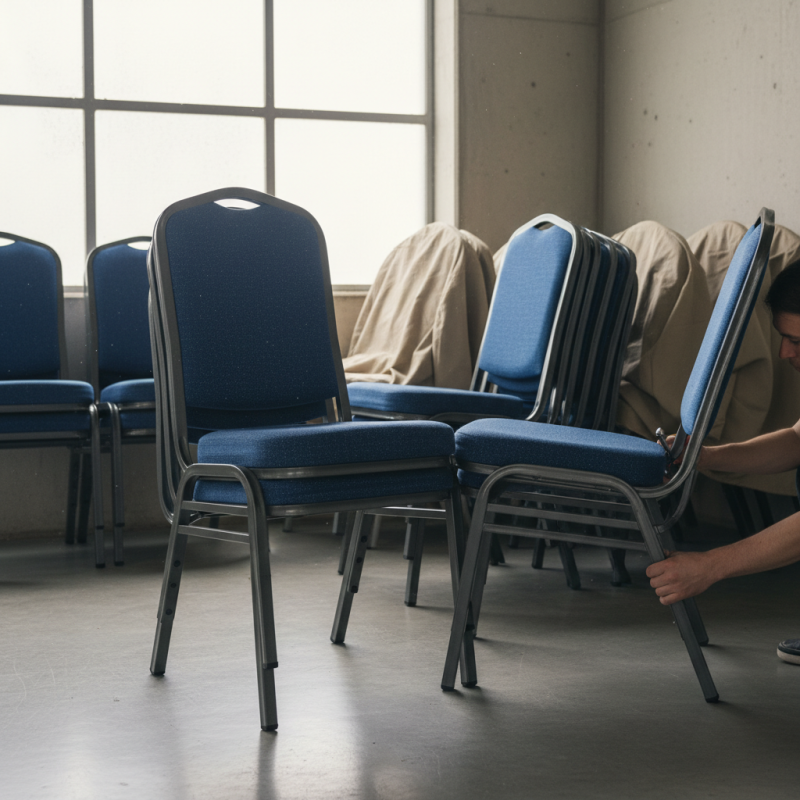
When it comes to folding chairs, choosing quality materials is crucial for durability. Frames made from high-grade metals, such as aluminum or steel, can withstand significant weight without bending or breaking. Lightweight yet robust, these materials enhance the chair's portability while ensuring safety. Opting for high-density polyethylene (HDPE) for the seat and backrest offers additional support. This plastic resists fading and cracking under UV exposure.
However, not all materials are created equal. Some manufacturers cut corners by using cheaper metals or lower-grade plastics, leading to potential failures. Assessing the weight limit is also vital. A chair rated for 250 pounds will likely underperform with additional weight. Constantly reflect on your usage needs.
Investing in quality materials may incur a higher upfront cost but can save money in the long run through reduced replacements. Proper care and maintenance are also essential in prolonging the lifespan of these chairs.
When it comes to folding chairs, understanding weight limits is crucial for safety and longevity. According to a study by the American Society for Testing and Materials (ASTM), typical folding chairs have weight limits ranging from 200 to 800 pounds, depending on the materials and design. Exceeding these limits can lead to sudden failures, causing injuries or damage. It’s essential to check the specifications before use and avoid exceeding these limits.
Proper usage guidelines also play a significant role in the durability of folding chairs. For instance, it is advised not to stand on chairs or subject them to excessive lateral forces. The National Safety Council suggests that misuse accounts for a substantial portion of folding chair failures. Storing chairs in dry, cool places also extends their lifespan, as exposure to moisture can weaken joints and materials. Regular inspections can identify wear and tear, prompting timely repairs or replacements.
Ignoring these guidelines can lead to regrettable mistakes. Many users unknowingly place too much weight on chairs, leading to breakage. Additionally, lacking proper maintenance can result in a slow decline in integrity. By understanding these critical factors, you can enhance the safety and longevity of your folding chairs.
To extend the life of folding chairs, regular maintenance is essential. Check for loose screws and tighten them as needed. A simple twist with a screwdriver can prevent wobbling. Inspect hinges as well; they should move smoothly without resistance. Rust can be a concern for metal chairs, especially if used outdoors. Wipe down metal frames with a cloth to prevent moisture accumulation.
Cleaning should be part of your routine. Use mild soap and water to clean the surfaces. Avoid harsh chemicals that can degrade the material over time. For fabric chairs, consider using a fabric protector spray. This can help resist stains and wear. If the fabric shows signs of fading or wear, it may be time for a thoughtful replacement.
Additionally, consider the storage conditions. Always store folding chairs in a dry place. This minimizes exposure to elements that can weaken the structure. When stacking, avoid putting too many chairs on top of each other, as this can lead to warping. Regular inspections and mindful care can go a long way in ensuring folding chairs remain sturdy and reliable.
Proper storage is crucial for folding chairs to maintain their lifespan and prevent damage. Storing them in a dry and cool environment helps avoid rust and warping. Ideally, use stackable racks or protective covers designed specifically for folding chairs. This minimizes exposure to dust and moisture. Ensure that the chairs are not forced into tight spaces to keep their frame intact and avoid bend or breakage.
Consider using a dedicated storage area. A garage or shed works well, but make sure it is well-ventilated. Regularly inspect the area for signs of pests or mold. If you frequently store chairs outside, invest in water-resistant coverings. They keep rain and dirt away, yet many overlook this simple step. Realizing the importance of this can save you from premature wear and tear.
Also, just leaning chairs against walls can cause scratches and dents. Avoid stacking them in random piles; this can lead to instability. It's easy to overlook proper stacking techniques, especially during busy times like events. Treating your chairs with care during storage reflects on their durability and ensures they remain safe for use when needed.
When it comes to folding chairs, recognizing signs of wear is vital for safety and durability. Regular inspections can help identify issues before they escalate. Look for cracks in the frame or bent metal. A study by the National Association of Furniture Manufacturers indicates that 30% of folding chairs fail due to structural damage.
Signs of wear could also include loose screws and wobbling legs. A chair imbalance can lead to accidents. Research shows that improper maintenance decreases lifespan by up to 50%. Keeping an eye on these details is crucial for longevity.
**Tips:** Regularly tighten screws. Make sure all parts are secure. Replace chairs that show significant wear.
Another area to focus on is upholstery. Damaged fabric can compromise comfort and safety. If stitching is frayed or fabric is tearing, replacement is necessary. Experts recommend replacing any chair with noticeable wear. Taking these steps can save money and ensure a safer experience for users.
**Tips:** Clean chairs regularly. Store them properly to avoid unnecessary damage. Don’t wait too long for replacements; it can lead to higher costs down the line.
| Sign of Wear | Description | Recommended Action | Replacement Interval |
|---|---|---|---|
| Frayed fabric | Visible threads and wear on the seating area | Repair or replace upholstery | Every 2-3 years |
| Wobbly legs | Instability when sitting | Tighten screws or replace joints | Annually |
| Rust on metal parts | Corrosion visible on frames | Sand, paint or replace metal components | Every 1-2 years |
| Cracks in plastic | Visible fractures in chair seating or backrest | Replace chair immediately | As needed |
| Loose or broken hinges | Difficulty folding or unfolding the chair | Repair or replace hinges | Annually |
: Weight limits range from 200 to 800 pounds, depending on design and materials.
Exceeding weight limits can cause sudden failures, injuries, or damage to the chair.
Regularly check for loose screws and tighten them to prevent wobbling.
Use mild soap and water. Avoid harsh chemicals that can degrade the material.
Store in dry, cool places using stackable racks or protective covers.
If fabric is fading or worn, consider replacing it thoughtfully.
Yes, stacking too many chairs or putting them in tight spaces can cause damage.
Regular inspections help identify wear and prompt necessary repairs or replacements.
Many users unknowingly place too much weight, leading to breakage or injuries.
Exposure to moisture can weaken joints and materials, leading to reduced lifespan.
Folding chairs are a popular choice for their convenience, but understanding why do folding chairs break and how to prevent it is essential for ensuring their longevity. Choosing quality materials is crucial; durable fabrics and sturdy frames can withstand regular use and weight limits. Furthermore, adhering to recommended usage guidelines helps avoid overloading the chairs, which can lead to structural failure.
Regular maintenance plays a significant role in extending the life of folding chairs; routine inspections can identify wear and tear before they develop into serious issues. Proper storage solutions also prevent damage, such as bending or warping, that can occur when chairs are improperly stacked or crowded. By being proactive in recognizing signs of wear and replacing chairs when necessary, users can maintain the integrity and durability of their folding chairs for years to come.

Rimkok Furniture