Arranging Desks for Collaborative Classrooms How to Optimize Space?

Time:2026-05-07 Author:Mason
0%

In an era where collaboration enhances learning outcomes, understanding how to arrange desks in a collaborative classroom becomes crucial. A recent report from the Collaborative for Academic, Social, and Emotional Learning highlights that effective classroom layouts can boost student engagement by up to 30%. This underscores the importance of thoughtful desk arrangement in fostering teamwork and communication among students.

According to Dr. Emily Jones, an expert in classroom design, “The physical environment significantly impacts student collaboration.” Her insights emphasize that how desks are positioned can either encourage interaction or isolate students. Placing desks in clusters or U-shaped configurations promotes dialogue and group work, essential for a collaborative learning environment. However, designing these spaces is not without its challenges. Teachers must balance flexibility with structure, aiming for layouts that adapt to various group sizes and activities.

While creating an optimal arrangement, it's important to reflect on potential weaknesses in layout choices. For instance, overly crowded spaces can hinder movement and focus, leading to frustration among students. Therefore, continuous evaluation and adjustment of the classroom setting are vital to achieving the ideal collaborative atmosphere.
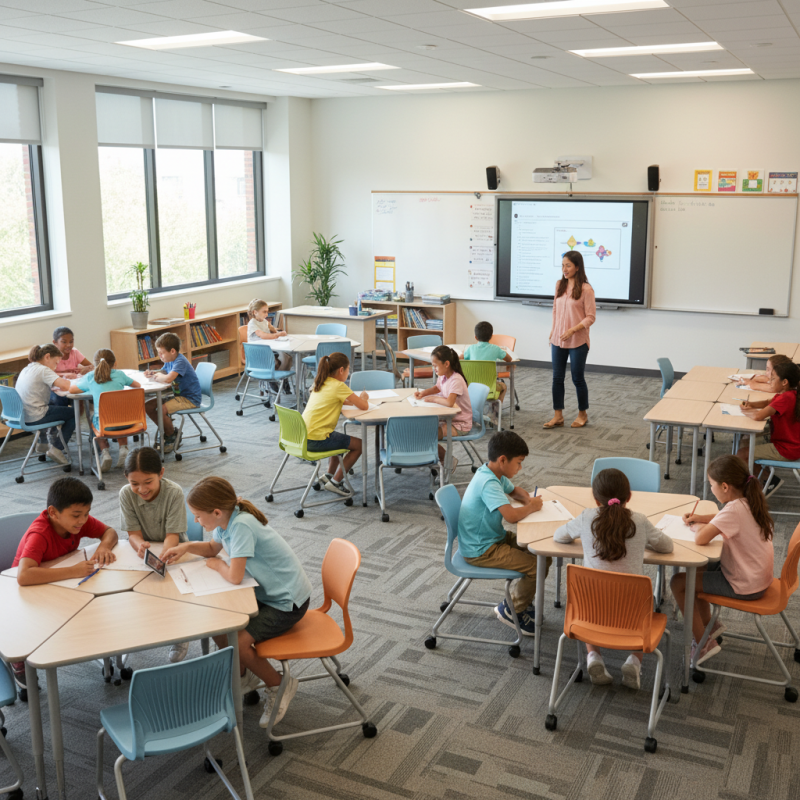
Arranging Desks for Collaborative Classrooms How to Optimize Space?

Understanding the Importance of Collaborative Classrooms

Collaborative classrooms play a vital role in modern education. They foster teamwork and communication among students. These environments encourage critical thinking and creativity. When students work together, they learn to respect different perspectives. This interaction helps develop social skills. Effective collaboration can lead to improved academic performance.

Designing a classroom for collaboration requires thoughtful planning. Arranging desks in clusters promotes group work. Each group can brainstorm and share ideas effectively. However, challenges may arise. Noise levels can increase, making concentration difficult. Teachers need strategies to manage this balance. They must create a space conducive to both collaboration and focus.

Flexibility is crucial in a collaborative setting. Desks should be movable for various activities. This adaptability allows for dynamic learning experiences. However, not all educators may feel confident in this approach. They may worry about classroom management. Regular reflection on these practices is essential. Finding the right balance enhances a collaborative atmosphere and strengthens the learning experience.

Arranging Desks for Collaborative Classrooms

Assessing Classroom Space and Student Needs

When assessing classroom space and student needs, teachers must prioritize flexibility. The layout of desks significantly impacts student interaction and collaboration. Open spaces encourage movement, while clusters create intimate environments. Each classroom should support various learning styles, from group work to independent study.

Consider the unique needs of your students. Some may benefit from round tables, promoting dialogue. Others might thrive in traditional rows, minimizing distractions. Gathering feedback from students can provide insights into what works best. Observing their interactions will reveal gaps in the space arrangement.

Experimenting with layouts is essential. You might face challenges in accommodating everyone comfortably. Some students may feel isolated in larger groups, while others thrive in collaboration. Reflect on these dynamics regularly. Adjusting furniture arrangements based on trial and error can optimize your classroom for effective learning.

Designing Flexible Desk Arrangements for Interaction

Creating flexible desk arrangements is essential for fostering interaction in collaborative classrooms. A study from the Learning Spaces Collaboration reveals that students in flexible environments show a 20% increase in participation. This setup allows for various seating options, facilitating group discussions and teamwork.

Using round tables, clusters, or movable desks encourages active engagement. According to a report from the National Education Association, classrooms that prioritize adaptability see enhanced student performance. However, many teachers struggle with consistent implementation. It requires ongoing adjustments and reflection on what works best for their unique student dynamics.

Involving students in the arrangement process can lead to better outcomes. When learners are part of the design, they feel more ownership. Yet, the challenge remains to balance space and comfort. Not every setup will suit all activities. Sometimes, traditional rows still prevail in certain lessons. It’s crucial to keep reassessing the classroom environment while experimenting with diverse layouts.

Arranging Desks for Collaborative Classrooms: How to Optimize Space?

Desk Arrangement Type Interaction Level Space Utilization (%) Flexibility Rating (1-5) Best Used For
U-Shape High 85 4 Group Discussions
Circle Very High 75 5 Brainstorming Sessions
Rows Low 90 2 Lectures
Group Pods Moderate 80 4 Project Work
Flexible Seating Very High 70 5 Interactive Learning

Incorporating Technology and Resources for Collaboration

Incorporating technology into collaborative classrooms enhances the learning experience. Tools like interactive whiteboards and tablets enable real-time feedback. This fosters an engaging and dynamic environment for students.

Use cloud-based platforms for project management. These allow students to share ideas seamlessly. Encourage the use of collaboration apps. This can help organize assignments effectively. However, ensure not all tech becomes a distraction. Monitor usage to keep students focused.

Create flexible spaces that adapt to group work. Movable furniture facilitates different arrangements. Consider incorporating charging stations for devices. However, too much tech can overwhelm students. Regularly assess what tools truly aid collaboration. Adjust your resources based on feedback.

Evaluating and Adjusting Desk Layouts for Optimal Engagement

Creating an engaging collaborative classroom starts with effective desk arrangements. A well-planned layout can foster interaction and creativity among students. Consider clusters of desks instead of traditional rows. This encourages dialogue and teamwork. Arrange furniture to minimize distractions, yet allow easy movement for both teachers and students.

Evaluating desk layouts is essential. Regularly observe student interactions. Notice if some students are disengaged. Perhaps the layout isn't promoting collaboration effectively. Assess the flow of movement. Is there enough space for group activities? Adjustments may be necessary—maybe a different configuration can enhance engagement levels.

Collect feedback from students. Their insights can reveal what works and what doesn't. Some might feel cramped or isolated. Others may thrive in a circle setup. This constant evaluation and adjustment are crucial to optimizing engagement in the classroom. Engaging students requires more than just a setup; it's about creating an environment that feels inclusive and dynamic.

FAQS

: Why is flexibility important in classroom space?

: Flexibility allows for various learning styles and supports both group work and independent study.

How does desk arrangement affect student interaction?

The layout significantly impacts collaboration. Open spaces encourage movement, while clusters foster intimacy.

What types of desk arrangements promote dialogue?

Round tables are beneficial for discussions. They create an inviting atmosphere to engage students.

How can teachers assess student needs for space?

Gathering feedback from students helps understand their preferences. Observing interactions reveals space arrangement gaps.

What challenges might arise when experimenting with classroom layouts?

Some students may feel isolated in large groups. Adjustments can struggle to meet everyone’s comfort.

How does technology enhance collaboration in the classroom?

Interactive tools like whiteboards and tablets provide real-time feedback and create a dynamic environment.

What should teachers monitor regarding technology use?

Monitor to prevent distractions. Not all tech aids collaboration; identify the most effective tools.

Why involve students in classroom arrangement decisions?

Involvement fosters a sense of ownership over the space, leading to better engagement.

How can teachers ensure comfortable learning environments?

Regular assessment and adjustment of layouts are crucial. Not every arrangement suits all lessons equally.

What is a potential downside of incorporating too much technology?

Overwhelming students with tech can hinder focus. Balance is key in resource selection for collaboration.

Conclusion

The article "Arranging Desks for Collaborative Classrooms: How to Optimize Space?" emphasizes the significance of creating effective collaborative environments in educational settings. It begins with understanding the underlying benefits of collaborative classrooms, which foster interaction and enhance learning outcomes. By assessing classroom space and student needs, educators can better tailor their environments to facilitate communication and teamwork.

When considering how to arrange desks in a collaborative classroom, the article suggests designing flexible desk layouts that encourage interaction among students. Incorporating technology and additional resources further supports collaborative efforts, enabling seamless communication and engagement. Lastly, the importance of evaluating and adjusting desk arrangements based on student feedback and participation is highlighted, ensuring that the classroom remains a dynamic space that fosters active learning and collaboration.

Mason

Mason

Mason is a seasoned marketing professional with a deep expertise in the company's offerings and a passion for driving brand awareness. With a strong background in digital marketing strategies, he has an innate ability to connect with diverse audiences and effectively communicate product benefits.......