Creating an efficient school library layout is vital for enhancing student learning. Renowned library designer Dr. Michael Weitzman emphasizes, “A well-planned space can inspire creativity and a love for reading.” His insights guide us in understanding how to design a modern school library layout that fosters collaboration and engagement.
In today's digital age, libraries should be more than just book repositories. They should serve as dynamic learning environments. The layout must include various zones for studying, group work, and technology access. Flexible furniture and adaptable spaces are key features to consider. However, many schools overlook these essentials, leading to underutilized areas.
Additionally, the integration of technology is crucial. Libraries should have designated tech zones, equipped with computers and charging stations. This drives innovation and accommodates students' needs. Yet, balancing traditional and modern elements can be tricky. We must constantly reflect on our design choices to ensure they truly support learning and inclusivity.
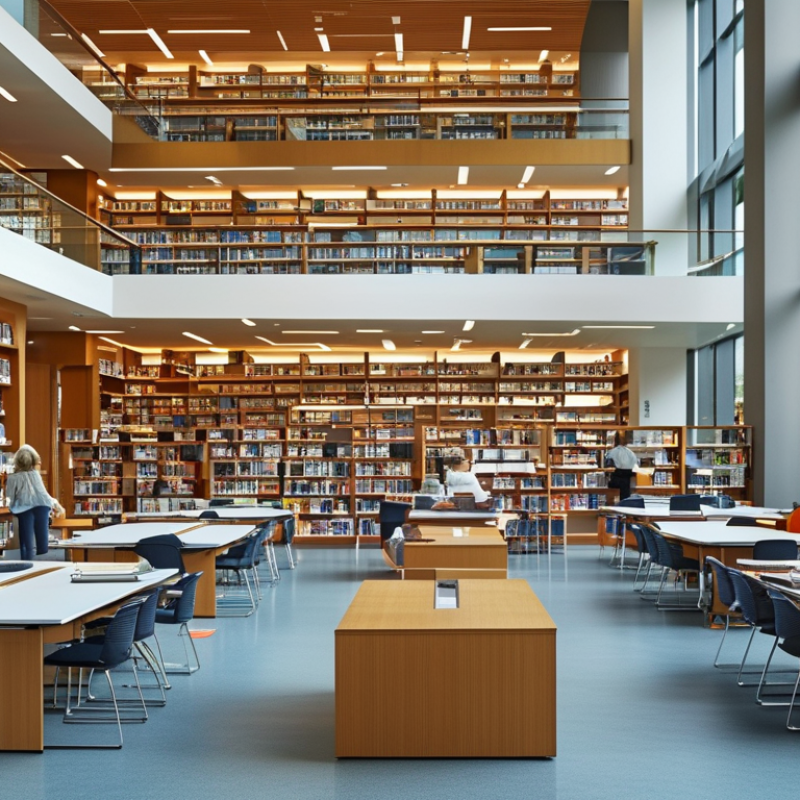
Creating a modern school library involves considering key functional areas that enhance learning. A dedicated reading zone is essential. Comfortable seating, ample lighting, and a variety of book displays invite students to explore. However, if the furniture layout is too cramped, it may hinder movement. Regular assessments can help identify improvements needed in this area. Another critical space is the collaboration area. Students should have access to tables and technology for group projects. Whiteboards or screens can facilitate brainstorming sessions. Yet, noise levels can become an issue. Monitoring the environment is necessary to maintain focus. The library should also include a quiet study area. This zone needs to be free from distractions. Soft seating and soundproofing are beneficial, but they can also lead to isolation. Balancing social and personal study spaces can be a challenge. Continuous feedback from students can help make necessary adjustments, ensuring the library meets evolving needs.
Creating an effective school library layout requires integrating technology to support learning. A thoughtfully designed space encourages collaboration and engagement among students. Students thrive when technology is readily available and seamlessly integrated into their environment. This can include charging stations, interactive displays, or digital catalog systems. Such features enable learners to explore diverse resources at their convenience.
Including flexible seating arrangements allows for various activities. Spaces should facilitate both quiet reading and group discussions. However, balancing technology with traditional resources remains a challenge. Some students may feel overwhelmed by screens. Therefore, offering printed materials alongside digital tools fosters a well-rounded experience. It’s essential to gather feedback from students and educators on layout effectiveness. Continuous reflection on their needs helps improve the library's functionality.
Consideration of acoustic elements is crucial too. Noise levels can impact concentration and comfort. Sound-absorbing materials can create a more conducive atmosphere for study. As libraries evolve, spaces should adapt to emerging technologies and changing educational needs. This ensures that every student finds value in their learning environment.
Designing a modern school library involves creating flexible spaces that cater to various activities. Collaborative areas can include movable furniture. This allows for group projects and discussions. Individual study spaces should be quieter and more private. They can be equipped with charging stations and comfortable seating.
Consider the layout carefully. Open spaces encourage teamwork. They can foster creativity and innovation. However, it’s important to strike a balance. Too much noise can distract learners focused on individual tasks.
Incorporating technology is key. Interactive screens and digital resources enhance engagement. Yet, it's essential to ensure that not every area is technology-heavy. Some students thrive in quieter, less stimulating environments. Regular feedback from students can help refine the layout. Adjustments can be made based on real user experiences, making the library truly functional.
This chart illustrates the usage frequency of different library spaces within a modern school library layout. It highlights the importance of designing flexible spaces that cater to both collaborative and individual activities.
Creating a user-friendly school library layout involves thoughtful access and navigation solutions. A well-designed space can enhance user experience significantly. Studies show that a clear wayfinding system can increase user satisfaction by 25%. Where step-by-step visual guides are used, users often find appropriate resources faster.
Modern libraries benefit from open spaces. Flexible furniture allows users to move easily. Adjustable shelving can cater to various book sizes. Additionally, incorporating technology like digital kiosks improves navigation. Reports suggest that 40% of users prefer digital aids for locating materials. However, many libraries fail to provide adequate technological support, which can frustrate users.
Lighting is another crucial factor. Ample natural light creates an inviting atmosphere. However, too much glare can hinder reading and browsing. Ensuring proper lighting balance is key. Reflective surfaces, while stylish, may require careful planning. A study found that 60% of library users mention discomfort due to lighting issues. These insights highlight the importance of continuous evaluation and adaptation in library design.
| Feature | Description | Benefits | User Feedback |
|---|---|---|---|
| Flexible Seating | Variety of seating options including lounge chairs, desks, and group tables. | Encourages collaboration and caters to different studying preferences. | 90% of users prefer flexible seating arrangements. |
| Technology Stations | Stations equipped with computers, tablets, and charging ports. | Facilitates access to digital resources and tools for research. | Users found tech stations crucial for accessing online materials. |
| Reading Nooks | Cozy spots with comfortable seating and good lighting for reading. | Promotes a love for reading in a peaceful environment. | 80% of readers enjoy the dedicated reading areas. |
| Clear Signage | Effective wayfinding signs for easy navigation throughout the library. | Reduces confusion and helps users locate resources quickly. | 75% of users reported feeling more comfortable navigating the library. |
| Group Collaboration Areas | Spaces designed with tools for teamwork, such as whiteboards and presentation screens. | Encourages collaborative projects and communication among students. | Users enjoy working in groups thanks to the collaborative spaces. |
Designing a modern school library involves more than just aesthetics. Utilizing sustainable materials is key. Opting for reclaimed wood for shelves and tables reduces waste and gives a unique charm. Natural light is essential, too; large windows can create a warm atmosphere. This reduces energy consumption while promoting a connection to the outdoors.
Sustainability practices can extend beyond materials. Incorporating energy-efficient lighting and heating systems helps lower operational costs. Integrating green spaces, like indoor plants, enhances air quality. This can create a calming environment for students. However, finding the right balance between modern design and sustainability can be challenging.
It's important to evaluate the impact of each choice. For example, while bamboo is a sustainable option, its sourcing can raise questions about transportation emissions. Creating a library that reflects modern values requires reflection on such choices. Consider which materials align with the community's vision for a greener future. Every decision should be made thoughtfully, considering both function and environmental responsibility.
: Comfortable seating and good lighting are crucial. Variety in book displays invites students to explore.
Noise can disrupt focus. Monitoring and managing sound is important for effective group work.
It should be distraction-free with soundproofing. However, excessive isolation might hinder social interaction.
It enhances collaboration and engagement among students. Access to digital resources supports diverse learning.
Printed materials are essential to create a balanced learning experience and avoid overwhelming students.
Movable furniture allows flexibility for group work. However, too much openness may lead to distractions for individuals.
Continuous feedback helps to refine layouts and spaces. It ensures the library meets users' evolving needs.
Sound-absorbing materials can improve concentration. High noise levels can compromise comfort and focus.
Some students may feel overwhelmed by screens. Balancing tech with traditional resources is challenging.
Regular assessments identify areas needing improvement, helping the library adapt to changing educational demands.
Designing a modern school library layout involves careful consideration of various functional areas that cater to diverse learning needs. Key spaces should include dedicated areas for collaborative work, quiet study, and technology integration. By understanding how to design a modern school library layout, educators can create an environment that fosters both independent and group activities, enhancing the overall learning experience.
Technological integration is crucial, offering students access to digital resources and learning tools. Additionally, user-friendly navigation solutions should be employed to ensure accessibility for all students. Incorporating sustainable materials and practices into the design not only benefits the environment but also serves as a model for responsible resource use. Ultimately, a well-planned library layout can significantly impact student engagement and foster a love for learning.

Rimkok Furniture