How to Maximize Space in Small Dormitory Rooms Effectively?

Time:2026-06-27 Author:Oliver
0%

Living in a small dormitory room often means confronting the challenge of limited space. Many students face this reality, and it can feel overwhelming. However, understanding how to maximize space in small dormitory rooms can transform your living environment. Thoughtful organization and resourceful use of available space can make a big difference.

One effective strategy is to select multifunctional furniture. For example, beds with storage underneath or desks that can double as nightstands save valuable space. Additionally, vertical storage solutions can help you utilize walls effectively. This could mean shelves or hooks, which can keep items off the floor and allow for more walking space.

There's also a level of creativity required. Customizing spaces with personal touches, like photos or art, can make small areas feel larger and more inviting. While some may feel hesitant to adjust their setup, experimenting with arrangements is crucial. Reflecting on what works best for you will lead to a more pleasant and functional living environment. Embracing these challenges might seem daunting at first, but the rewards of a well-organized space are worth the effort.
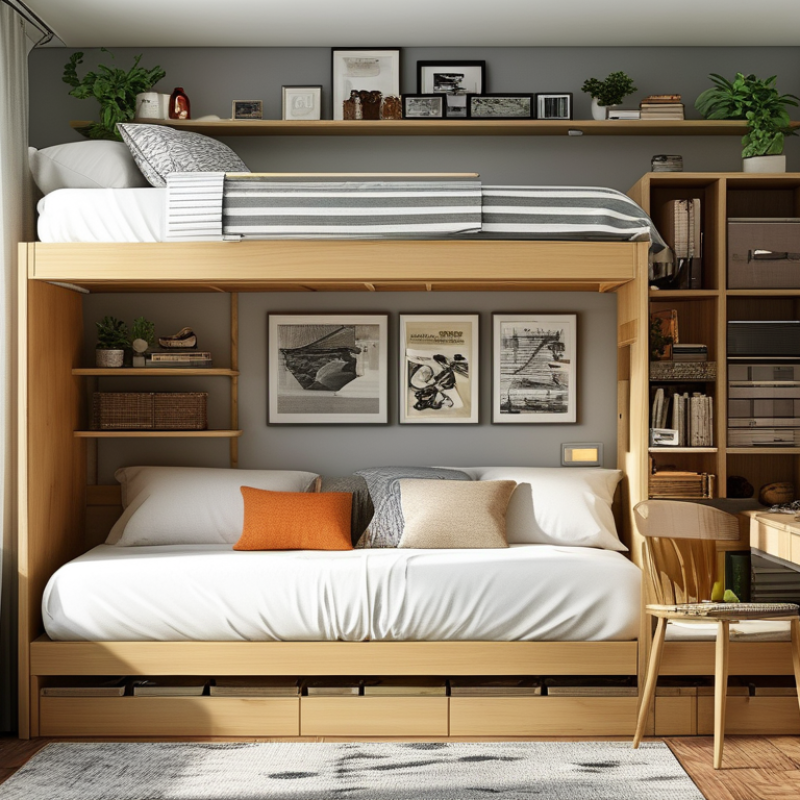
How to Maximize Space in Small Dormitory Rooms Effectively?

Choosing Multi-Functional Furniture for Small Dormitory Rooms

In small dormitory rooms, selecting multi-functional furniture is essential. Data from the National Center for Education Statistics indicates that over 70% of college students live in shared accommodations, often in cramped spaces. Multi-functional pieces can significantly enhance comfort and utility. For instance, a bed with built-in storage can provide extra space for clothes or books. Stacking chairs can serve as seating or as side tables.

Consider furniture that adapts to your needs. A desk that transforms into a dining table saves space. According to recent studies, flexible furniture can boost productivity and well-being by as much as 30%. In tight quarters, less is more.

However, not every choice is perfect. Some furniture may lack durability. It is vital to think beyond aesthetics. The balance between design and functionality needs careful consideration. Focusing solely on trendy items may lead to clutter and dissatisfaction later. Prioritize quality over quantity to make your small space livable and enjoyable.

Utilizing Vertical Space: Shelves and Hooks for Maximum Storage

Maximizing vertical space is essential in small dormitory rooms. Research indicates that vertical storage can increase usable space by up to 50%. Utilizing shelves and hooks allows residents to keep the floor clear. Floating shelves are particularly valuable. They provide storage without taking up precious floor space.


Incorporating hooks on walls is another effective strategy. Hooks are perfect for hanging bags, jackets, or accessories. A study by the National Association of College Stores found that students often struggle with limited storage solutions. Maximizing vertical space can ease this issue significantly.


Using all available vertical areas can be a challenge. Some might overestimate their needs and overcrowd shelves. Balanced organization is crucial. Creating a layout that allows easy access to needed items can improve efficiency. Small adjustments, like rearranging frequently used items, can lead to a more organized living space.

Creating Organized Zones: Dividing Areas for Study and Relaxation

Creating organized zones in your small dormitory room can significantly enhance productivity and relaxation. By clearly separating areas for study and leisure, you can create a more effective environment.

Start by using rugs or furniture to delineate distinct spaces. A small desk in one corner can serve as your study zone. Ensure it is clutter-free, with only essential items nearby. Keep your textbooks and supplies within reach but stored in attractive containers. The key is to make this area inviting yet functional.

For your relaxation space, consider a cozy bean bag or floor cushions. Use ambient lighting to foster a calming atmosphere. Surround yourself with personal touches like photos or plants, creating a welcoming retreat.

Tips: An essential tip for creating these zones is to declutter regularly. Too many items can turn your organized space into chaos. Another idea is to use vertical storage solutions, keeping items off the floor and maintaining an open feel. Reflect on what truly matters in your space. Ask yourself, do you need everything on display? Cultivating both zones requires ongoing assessment and adjustment.

Incorporating Smart Storage Solutions: Bins and Baskets

In small dormitory rooms, maximizing space is crucial. Smart storage solutions like bins and baskets can make a significant difference. According to a report by the National Association of College Stores, 76% of students face storage challenges in their dorms. This statistic highlights the need for effective organization.

Bins and baskets come in various sizes and styles, making them versatile for any space. Use under-bed bins to store out-of-season clothes or extra linens. This approach not only keeps items hidden but also frees up valuable floor space. Wall-mounted baskets can hold books, accessories, or hygiene products. This keeps frequently used items within reach while reducing clutter.

Tip: Choose clear bins to easily identify contents. Label shelves and baskets for quick access. Reflect on what items you truly need. Oversized items can take up valuable storage space. Regularly reassess your belongings; what was essential last year may not be necessary now. Storage solutions should adapt as your needs change.

Decorating with Mirrors and Light Colors to Enhance Space Perception

Decorating a small dormitory room can be challenging, but using mirrors and light colors can create an illusion of spaciousness. Mirrors reflect light and can make a room feel larger than it is. Place a large mirror opposite a window to maximize natural light. This technique not only brightens the space but also makes it appear twice as big. Consider various mirror shapes for added interest. Round and geometric mirrors can break up the usual lines, adding character.

Light colors also play a crucial role in enhancing space perception. Soft whites, light blues, and pale greens can create an airy feel. Painting your walls in these shades will make them seem further away, fostering a sense of openness. You might want to combine these colors with pastel accents to add warmth. Remember, too much white can feel cold, so balance it with colorful decor.

However, keep in mind that decorating is subjective. A mostly white room might alienate some individuals. Also, reflect on personal style. Sometimes, a cluttered space with vivid colors can feel more comfortable than a pristine, light room. Adjust and experiment with these ideas to see what works for your personal touch.

FAQS

: How can I create distinct zones in my dorm room?

: Use rugs or furniture to separate study and relaxation areas.

What should be included in a study zone?

Keep it clutter-free with only essential items nearby. Textbooks can be stored in attractive containers.

How can I design a cozy relaxation space?

Include a bean bag or floor cushions, with ambient lighting and personal touches like photos or plants.

Why is decluttering important for my space?

Regular decluttering keeps your organized areas functional and prevents chaos from accumulating.

How can mirrors enhance my dorm room?

Mirrors reflect light and create an illusion of more space. Place one opposite a window for maximum effect.

What colors should I use to make my room feel larger?

Soft whites, light blues, and pale greens can create an airy feel and enhance space perception.

What should I consider when decorating my dorm?

Personal style matters greatly; a cluttered space with color can feel more inviting than a stark, light room.

How can I make my space feel welcoming?

Use cozy items, personal mementos, and adequate lighting to create a warm and inviting atmosphere.

Should I try different decor styles?

Yes, experimenting with various styles can help you find what truly resonates with you in your space.

What is a common mistake in dorm room decorating?

Overusing white can feel cold; balance it with warmer colors to avoid alienation.

Conclusion

To effectively learn how to maximize space in small dormitory rooms, it's essential to consider a variety of strategies. First, choosing multi-functional furniture can significantly reduce clutter and enhance usability. Incorporating vertical space with shelves and hooks allows for more efficient storage, keeping items off the floor and making the room feel larger. Additionally, creating organized zones for study and relaxation helps in defining areas for different activities, promoting both productivity and comfort.

Utilizing smart storage solutions such as bins and baskets can organize belongings while maintaining a tidy appearance. Lastly, decorating with mirrors and light colors can enhance space perception, making the room appear more open and inviting. By implementing these techniques, students can transform small dormitory rooms into functional and stylish living spaces.

Oliver

Oliver

Oliver is a seasoned marketing professional with a wealth of expertise in driving brand awareness and engagement. With a deep understanding of our company's product offerings, he consistently delivers high-quality content that enriches our professional blog. His insights not only shed light on......