How to Maintain Metal Furniture in High Humidity Climates?

Time:2026-10-04 Author:Madeline
0%

Metal furniture can look durable, yet humid air steadily challenges its coatings, joints, and fasteners. The NACE IMPACT study estimated global corrosion costs at US$2.5 trillion annually, equal to about 3.4% of global gross domestic product. That figure includes industrial infrastructure, but it also shows why household maintenance deserves attention. Rust starts quietly. A small orange mark beneath a chair leg can spread under damaged paint, especially when water remains trapped overnight.

Indoor humidity creates a practical warning sign. The U.S. Environmental Protection Agency recommends keeping indoor relative humidity between 30% and 50%, and below 60% whenever possible. In coastal homes, balconies, cafés, and poorly ventilated storage rooms, metal surfaces may face repeated condensation. This is where “how to maintain metal furniture in high-humidity climates” becomes more than a cleaning question. It becomes a routine involving airflow, inspection, drainage, and suitable protective finishes.

This guide connects everyday care with corrosion-control principles used by AMPP professionals. It will examine powder-coated steel, stainless steel, aluminum, screws, welds, and hidden underside areas. A dry cloth, soft brush, neutral cleaner, and prompt touch-up can prevent minor damage from becoming structural weakness. Still, no maintenance plan is perfect. Salt air can defeat neglected coatings faster than expected, and aggressive cleaners may create damage while removing dirt. That deserves reflection. Effective care depends on the furniture’s metal, coating system, exposure level, and actual humidity—not on one universal product or schedule.
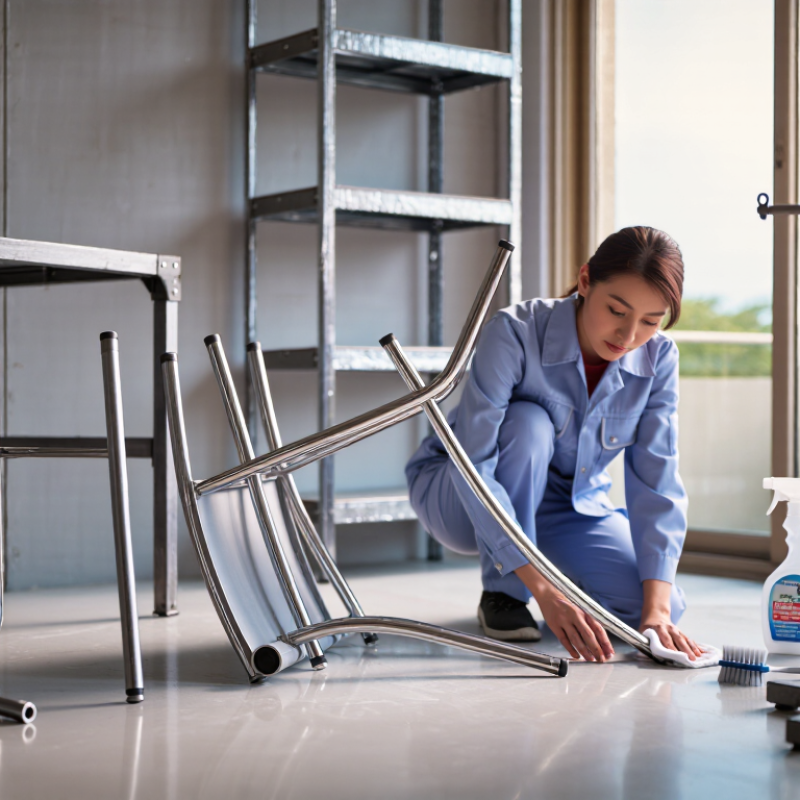
How to Maintain Metal Furniture in High Humidity Climates?

Understanding Humidity Risks for Metal Furniture

High humidity does more than make metal furniture feel damp. It supports electrochemical corrosion, especially when surfaces stay wet overnight. ASHRAE Standard 55 recommends indoor relative humidity generally between 30% and 60% for comfort and moisture control. Above that range, condensation becomes more likely on cool metal legs, frames, and fasteners.

The risk increases near coastlines, kitchens, pools, and poorly ventilated rooms. Salt particles can remain on a tabletop after invisible moisture evaporates. That residue accelerates rust on scratches and exposed joints. ISO 9223 classifies atmospheric corrosivity by humidity, wetness, and pollutants, showing why the same steel chair may age differently indoors and outdoors. The NACE IMPACT study estimated global corrosion costs at about 3.4% of global gross domestic product. Corrosion is expensive.

In practice, wipe condensation with a soft, dry cloth, then inspect welds, screw heads, and underside edges weekly. Keep furniture away from walls by several centimeters to improve airflow. Do not trap moisture beneath rubber mats or damp fabric. A thin protective coating can help, but it cannot repair damaged paint or hidden rust. I once ignored a tiny blister near a joint; the corrosion spread underneath before it became obvious. That mistake still changes my inspection routine. A simple humidity meter helps. So does patience.

How to Maintain Metal Furniture in High Humidity Climates? - Understanding Humidity Risks for Metal Furniture

Relative Humidity (RH) Typical Risk Level What Happens to Metal Furniture Common Warning Signs Recommended Maintenance Suggested Inspection Frequency
Below 40% Low Corrosion is generally slower when surfaces remain clean and dry. Very dry indoor air may, however, dry out adjacent wood, leather, or fabric components. Usually no visible corrosion; possible dryness or cracking in non-metal components. Dust with a soft, dry cloth. Avoid excessive drying or placing furniture directly beside strong heat sources. Every 2–3 months
40–60% Low to moderate This range is generally more manageable for indoor furniture when condensation, spills, and trapped moisture are controlled. Occasional water marks or dirt accumulation around joints and fasteners. Clean regularly with a slightly damp cloth, dry immediately, and keep ventilation adequate. Every 1–2 months
60–70% Moderate Moisture remains on metal surfaces longer, increasing the likelihood of surface oxidation, especially on scratches, edges, welds, and fasteners. Dull patches, light discoloration, small orange-brown spots, or moisture around joints. Improve airflow, wipe condensation promptly, clean salt or dirt deposits, and check protective coatings for damage. Monthly
70–80% High Persistent humidity accelerates electrochemical corrosion. Bare steel and damaged finishes are particularly vulnerable. Visible rust spots, bubbling or peeling paint, roughened surfaces, and corrosion around screws or hinges. Inspect all sides and undersides, dry furniture thoroughly, remove loose rust, and repair exposed areas with a compatible metal coating. Every 2–4 weeks
Above 80% Very high Condensation and prolonged wetness become more likely, creating rapid corrosion conditions in poorly ventilated spaces and coastal environments. Rapid rust growth, flaking finishes, staining on floors, seized fasteners, or corrosion under protective pads. Use dehumidification or mechanical ventilation, increase clearance from walls and floors, remove moisture daily, and avoid storing furniture while damp. Weekly or after humid weather
Any RH level with condensation Immediate risk Liquid water on the surface can cause corrosion even when the average room humidity appears acceptable. Temperature changes can create condensation on cold metal. Water droplets, damp undersides, wet floor protectors, or moisture trapped beneath cushions and covers. Dry immediately with a clean cloth, improve air circulation, separate furniture from cold walls, and avoid airtight covers until the item is completely dry. Check whenever temperature changes or condensation is visible
Coastal or salt-exposed areas Very high Salt deposits increase the electrical conductivity of surface moisture and can accelerate corrosion, even when humidity is only moderately high. White salt residue, rust around hardware, staining near outdoor openings, or corrosion at welds and crevices. Rinse salt residue with clean water when appropriate, dry completely, inspect protective finishes, and avoid abrasive cleaning that exposes bare metal. Weekly to monthly, depending on exposure

Practical target: Keep indoor relative humidity near 40–60% where possible, prevent condensation, remove spills quickly, and maintain intact protective coatings. Stainless steel, aluminum, galvanized steel, and painted metal do not have identical corrosion resistance, so always follow the care instructions for the specific metal and finish.

Choosing Protective Materials and Suitable Furniture Placement

In humid climates, furniture placement often matters more than appearance. Keep metal tables at least 50 millimeters from exterior walls. This gap allows air movement and limits condensation behind the frame. Avoid windows, kitchens, bathrooms, and air-conditioning outlets. Dripping water creates local corrosion quickly. Place legs on dry, non-absorbent pads made from EPDM or nylon. Do not let steel touch wet tile directly.

Choose protective materials according to exposure. Powder-coated steel offers a continuous barrier, but scratches can expose bare metal. Inspect edges, welds, and fasteners every month. Stainless steel provides better resistance, especially in damp rooms, while aluminum avoids red rust but can still pit. Separate dissimilar metals with polymer washers. The ISO 9223 corrosion standard highlights humidity, chloride deposits, and pollutant levels as key environmental factors. Coastal air deserves stricter material selection.

Control the room, too. U.S. EPA guidance commonly recommends indoor relative humidity between 30% and 50%. A hygrometer near the furniture gives useful evidence, not guesswork. The NACE IMPACT study estimated global corrosion costs at about 3.4% of world gross domestic product, showing why small maintenance decisions matter. Still, coatings are not permanent. I once overlooked a hidden screw beneath a damp chair foot; the visible surface looked perfect, while corrosion spread underneath. Regular drying and closer inspection remain necessary.

Cleaning and Drying Metal Surfaces Correctly

In high-humidity climates, metal furniture needs careful cleaning and complete drying. Moisture can hide beneath edges, joints, and protective caps. I usually inspect these areas before wiping the main surfaces. Dust mixed with humidity can form a film that holds water against metal. Remove cushions and plastic covers first. They can trap damp air.

Use a soft cloth with warm water and a small amount of mild detergent. Avoid abrasive powders, rough sponges, and strongly acidic cleaners. They may scratch coatings or weaken the surface finish. Clean one section at a time. Rinse the cloth often, because dirty water can spread grit. Pay attention to welds and screw heads. These small areas often show early discoloration.

Dry the furniture immediately with a clean, absorbent towel. Do not leave it to air-dry in a closed, humid room. A fan can improve airflow around legs and underside panels. Open shaded windows when outdoor humidity is lower. Direct, intense sunlight may heat some finishes unevenly. I once overlooked moisture under a seat frame, and rust appeared within days. That mistake changed my routine. Now I check every hidden seam with a dry fingertip and inspect the furniture again the next morning. If stains return quickly, the surface may need professional assessment rather than repeated scrubbing.

How to Maintain Metal Furniture in High Humidity Climates?

Dew Point and Surface-Drying Guidance at 20°C

At a constant room temperature of 20°C, higher relative humidity raises the dew point and increases the risk of condensation on cool metal surfaces. After cleaning, wipe away standing water, dry joints and undersides thoroughly, and keep the metal surface warmer than its dew point before storage or use.

Dew-point values are calculated from the Magnus approximation for water vapor at 20°C.

Applying Rust Prevention and Protective Coatings

Metal furniture in humid climates needs more than occasional wiping. Moisture settles around welds, screw heads, joints, and scratched edges. These areas often rust before broad surfaces show damage. Inspect them weekly, especially after heavy rain or prolonged indoor condensation.

Clean the metal with mild soap and fresh water. Remove salt, dust, and oily residue before applying any protective product. Dry every seam completely. A fan can help, but trapped water still needs manual attention. Apply a rust-prevention primer to exposed steel, following the manufacturer’s recommended surface preparation and drying time. The metal should feel clean, dry, and slightly rough for better adhesion.

Choose a protective topcoat designed for outdoor metal and humid conditions. Apply several thin coats instead of one heavy layer. Thick coatings may wrinkle, remain soft, or hide early rust. Coat the underside, feet, and narrow gaps carefully. They are easy to overlook. Let each layer cure in a dry, well-ventilated space, not during fog or rain.

I once treated only the visible tabletop and missed the leg joints. Rust returned there first. That mistake changed my inspection routine. Check the furniture after one week, then monthly. Repair chips immediately, even tiny ones. If bubbling appears beneath the coating, remove the loose material before repainting. Covering active rust usually delays the problem rather than fixing it.

Inspecting, Repairing, and Storing Metal Furniture Safely

In high-humidity climates, metal furniture needs frequent inspection, not occasional attention. I check joints, welds, fasteners, and hidden undersides every two weeks during wet seasons. Rust often starts beneath rubber feet or inside hollow tubing. Look for bubbling paint, orange dust, loose screws, and water trapped near seams. A flashlight reveals dull stains under seats and tables. Keep notes with dates and photos. This record shows whether corrosion is spreading.

For minor surface rust, wash away salt and grime with mild soap and clean water. The surface must dry completely before repair. A nylon brush removes loose flakes without damaging sound metal. Sand remaining rust carefully, then apply a compatible rust-inhibiting primer and exterior-grade coating. Follow the recommended curing time. Rushing this step causes soft paint and renewed rust. Replace weakened fasteners with corrosion-resistant ones suited to the furniture’s load. Do not weld or drill damaged structural parts without qualified advice. My earlier mistake was treating a small rust bubble as cosmetic. It later exposed a thin section.

Store furniture under a dry, ventilated cover, never sealed tightly while damp. Raise pieces above wet floors with stable supports. Leave space between stacked items so air can circulate. Cushions should be removed and dried indoors. Before storage, clean every surface and inspect contact points again. Check stored furniture monthly for condensation or new rust. If metal feels cold and clammy, improve airflow before covering it. Humidity changes can defeat a good repair.

FAQS

How far should metal furniture stand from an exterior wall?

Keep it at least 50 millimeters away. This gap improves airflow and reduces condensation behind the frame.

Which locations should be avoided in humid rooms?

Avoid windows, kitchens, bathrooms, and air-conditioning outlets. Dripping water can create local corrosion quickly.

What should be placed under metal furniture legs?

Use dry, non-absorbent pads made from EPDM or nylon. Never place steel directly on wet tile.

Which metal materials resist humid conditions better?

Stainless steel generally resists moisture well. Aluminum avoids red rust but may still develop small pits.

How can different metals be kept from reacting?

Separate dissimilar metals with polymer washers. This small barrier can reduce unwanted corrosion between contact points.

What indoor humidity level is suitable for metal furniture?

Keep relative humidity between 30% and 50%. A hygrometer provides useful evidence near the furniture.

How should exposed steel be prepared before coating?

Clean it with mild soap and fresh water. Remove salt, dust, and oil, then dry every seam completely.

How often should humid-climate furniture be inspected?

Inspect welds, screw heads, joints, edges, feet, and hidden gaps weekly at first. Check again after one week, then monthly.

Why are several thin coating layers better than one thick layer?

Thin layers usually cure more evenly. Thick coatings may wrinkle, stay soft, or hide early rust.

What should be done when coating bubbles or chips appear?

Remove loose coating and active rust before repainting. Covering rust only delays the problem. I once missed a damp hidden screw.

Conclusion

Learning how to maintain metal furniture in high-humidity climates begins with understanding how moisture accelerates oxidation, rust, mold growth on nearby materials, and surface deterioration. Choose corrosion-resistant materials and place furniture in areas with good airflow, limited exposure to rain, and reduced contact with damp floors or walls. Use protective covers only when they allow ventilation, as trapped moisture can worsen damage.

Clean metal surfaces regularly with a mild solution, remove dirt and salt deposits, and dry every area thoroughly, especially joints, seams, and fasteners. Apply a suitable rust inhibitor, wax, paint, or protective coating according to the furniture’s surface type, renewing it when it wears away. Inspect regularly for bubbling paint, discoloration, loose parts, or early rust, and repair small issues promptly. Before storing furniture, clean and dry it completely, elevate it from the floor, and keep it in a dry, ventilated space to prevent moisture buildup.

Madeline

Madeline

Madeline is a dedicated marketing professional with a wealth of expertise in our company's core offerings. With a keen understanding of the industry, she brings a unique perspective to her role, consistently delivering high-quality content that highlights the superior aspects of our products. As......