How to Keep Metal Furniture Rust Free in Humid Climates?

Time:2026-06-04 Author:Isabella
0%

Keeping metal furniture rust-free in humid climates can be challenging. High humidity levels create an environment where rust thrives. Homeowners often struggle to protect their metal pieces from the damaging effects of moisture. In this guide, we will discuss how to maintain metal furniture in high-humidity climates effectively.

Regular maintenance plays a crucial role in preventing rust. Simple practices like cleaning and drying your metal furniture eliminate moisture buildup. Additionally, using protective coatings can shield your furniture from the elements. However, remember that even the best measures might not be foolproof.

It’s also important to acknowledge that neglect can lead to deterioration. Regular inspections help catch early signs of rust. Ignoring small spots may result in larger issues down the line. By understanding these details, you can enjoy your metal furniture for years. Adopting a proactive approach ensures longevity and aesthetic appeal, even in challenging conditions.
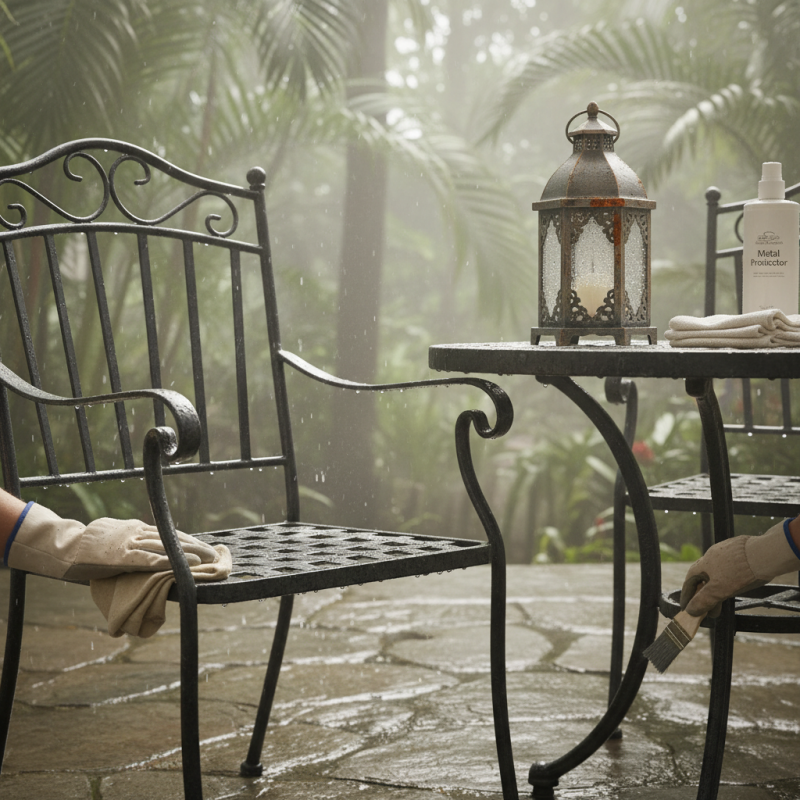
How to Keep Metal Furniture Rust Free in Humid Climates?

Understanding the Impact of Humidity on Metal Furniture

Humidity can be a relentless enemy for metal furniture. When the air is moist, it creates an environment where rust thrives. Water clings to surfaces, leading to oxidation. This process breaks down metal over time. Humid climates often experience this cycle, especially during certain seasons.

Understanding this impact is crucial for maintaining metal furniture. Regular cleaning helps remove moisture and dirt. A simple wipe-down with a dry cloth can make a difference. However, mere prevention measures often fall short. Without adequate protection, even high-quality metal can become vulnerable. Consider applying a protective coating, such as wax or sealant. These can act as a barrier against moisture.

Learning to monitor your furniture’s condition is key. Look out for early signs of rust, like discoloration or flaking. These indicators can signal the need for immediate action. Repairing or touching up these areas can extend the furniture's lifespan. In humid areas, a proactive approach is essential to safeguarding your metal pieces. Remember, it’s not just about preventing rust. It’s about maintaining the beauty and functionality of your metal furniture.

Choosing the Right Materials for Rust-Resistant Metal Furniture

Choosing rust-resistant materials is crucial for metal furniture in humid climates. Aluminum is a popular choice due to its natural resistance to rust. It's lightweight and durable, making it suitable for various designs. Stainless steel is another excellent option. It contains chromium, which protects it from oxidation. However, its finish must be properly maintained to prevent rust over time.

Coated metals can also be effective. Powder coating offers a protective layer that resists moisture. This method allows for various colors and styles while adding durability. However, if the coating chips or wears away, it needs immediate attention. Otherwise, exposed metal can rust quickly.

Not all metals are created equal. Some types may look appealing but lack rust resistance. It’s essential to research materials before making selections. Consider the environment where the furniture will be used, as this affects metal performance. Regular maintenance, such as cleaning and inspections, is vital to ensure longevity.

Effective Protective Coatings for Preventing Rust Formation

In humid climates, rust can severely damage metal furniture. Effective protective coatings are essential to prevent rust formation. One common method is using enamel paint. According to industry reports, enamel provides a thick barrier against moisture and air. This can significantly reduce rust risk.

Another option is powder coating. Data indicates that powder-coated metals have enhanced protection. This method creates a durable finish that resists corrosion. However, it's crucial to apply it correctly. Improper application can lead to chipping, which allows moisture in. Regular inspections are also important.

Ceramic coatings offer advanced protection. They form a strong, non-porous layer over metal surfaces. Research shows that ceramic coatings can withstand extreme weather conditions better than traditional options. Yet, they require proper surface preparation to ensure adhesion. Over time, even high-quality coatings can wear down. Maintaining your furniture through consistent care is key.

Regular Maintenance Practices to Extend the Life of Metal Furniture

Maintaining metal furniture in humid climates requires consistent care. Humidity can accelerate rust formation on metal surfaces. Regular maintenance can significantly extend the life of your furniture.

One effective tip is to clean your metal furniture frequently. Use a mild detergent solution to remove dirt and moisture. Wipe down surfaces with soft cloths to avoid scratches. For tough spots, try using a soft brush. Also, check for any scratches or chips in the finish. These areas are more susceptible to rust. Address them quickly by touching up with weather-resistant paint.

Another essential practice is applying a protective coating. Wax or specialized metal protectants can act as barriers against moisture. Consider reapplying these coatings every few months, especially after heavy rain. Incorporate a regular check-up schedule to assess the condition of your furniture. This proactive approach prevents minor issues from becoming major problems down the line.

Lastly, store your metal pieces in a sheltered area when not in use. If storage is not possible, use weather-resistant covers. These not only shield from moisture but also minimize exposure to scratches. Keeping metal furniture rust-free is manageable with attention and care. A little effort goes a long way in preserving its beauty and function.

Rust-Free Maintenance Practices for Metal Furniture in Humid Climates

Tips for Proper Storage of Metal Furniture in Humid Environments

Proper storage is essential for maintaining metal furniture in humid environments. High humidity can cause rust and corrosion, leading to significant damage. Experts suggest that keeping metal furniture dry and ventilated is crucial. According to a report from the National Association of Home Builders, over 40% of homeowners face issues with rust in humid areas.

When storing metal furniture, consider using protective covers. These can minimize exposure to moisture and air. The American Society for Testing and Materials highlights that materials like polyethylene can offer good moisture resistance. Additionally, placing furniture off the ground can prevent water buildup, further protecting it from rust.

Even with preventive measures, imperfections can occur. Regularly inspect items for any signs of rust or corrosion. Address small issues immediately to avoid larger problems later. Simple cleaning with a cloth and mild soap can remove surface moisture. It's also important to choose a storage location carefully. Avoid areas prone to high humidity, such as basements. Keeping metal furniture rust-free requires ongoing attention and care.

How to Keep Metal Furniture Rust Free in Humid Climates?

Tip Description Frequency
Regular Cleaning Clean metal furniture regularly with mild soap and water to remove dirt and moisture buildup. Bi-weekly
Apply Protective Coating Use a rust-resistant spray or a protective sealant to create a barrier against moisture. Annually
Proper Storage Store furniture in a dry, covered area or use furniture covers to protect against humidity. As needed
Use of Dehumidifiers Utilize a dehumidifier in the storage area to reduce moisture levels. Always
Check for Rust Regularly inspect metal surfaces for any signs of rust and address immediately. Monthly

FAQS

: How does humidity affect metal furniture?

: Humidity promotes rust by creating moisture that clings to metal surfaces.

What cleaning methods help prevent rust?

Regular cleaning with a dry cloth removes moisture and dirt, helping to maintain metal furniture.

Why should I apply a protective coating?

A protective coating, like wax, acts as a barrier against moisture, prolonging the furniture's lifespan.

What signs indicate rust on metal furniture?

Look for discoloration or flaking, which signal the need for immediate action against rust.

How should I store metal furniture in humid areas?

Keep it dry and ventilated. Use protective covers and store items off the ground.

What can I do if I find rust?

Address small rust issues immediately. Repair or touch up affected areas without delay.

Are there specific storage locations to avoid?

Yes, avoid damp areas like basements that can exacerbate rust problems.

Can simple cleaning help metal furniture?

Yes, using a cloth and mild soap can effectively remove surface moisture.

Is rust prevention a one-time task?

No, it requires ongoing inspection and care to keep metal furniture in good shape.

What if my preventive measures fail?

Imperfections can occur, so regular checks are vital. Reflect on how to improve your routine.

Conclusion

Maintaining metal furniture in high-humidity climates requires a comprehensive understanding of the challenges posed by moisture. Humidity can lead to rust formation, which necessitates choosing the right materials that are inherently rust-resistant, such as aluminum or specifically treated steel. Applying effective protective coatings, such as rust inhibitors or weather-resistant paints, can also significantly reduce the risk of corrosion.

In addition to selecting appropriate materials and coatings, regular maintenance practices, such as cleaning and inspecting for any signs of rust, play a crucial role in prolonging the lifespan of metal furniture. Proper storage techniques, including keeping furniture covered or in a sheltered area, are essential to mitigate the effects of humidity. Ultimately, knowing how to maintain metal furniture in high-humidity climates is vital for ensuring its durability and aesthetic appeal over time.

Isabella

Isabella

Isabella is a dedicated marketing professional with a sharp focus on driving brand growth and engagement through strategic content creation. With an extensive background in digital marketing, she combines her passion for storytelling with her keen understanding of industry trends to deliver......