Importing office furniture from China can be a complex process. Many businesses seek ways to improve their workspace while minimizing costs. Understanding how to import office furniture from China step by step can help streamline the process.
The journey begins with identifying reliable suppliers. Research and verify their credentials to ensure quality products. Next, focus on product specifications, materials, and compliance with local regulations. Communication is key; lack of clarity can lead to misunderstandings.
Remember that challenges are common. Delays in shipping or customs can occur, creating frustration. Reflect on each step to learn and improve your approach. With careful planning and attention to detail, you can successfully import office furniture that meets your needs.
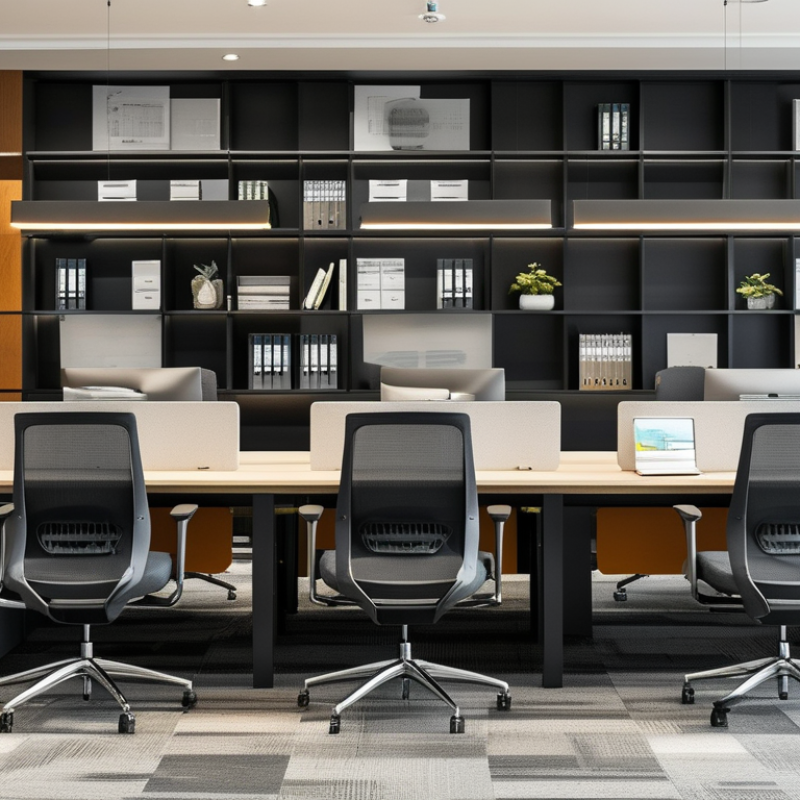
Importing office furniture from China requires careful planning and a clear understanding of the process. First, identify your needs. Consider the types of furniture you require, such as desks, chairs, or cabinets. This specificity will guide your search for manufacturers. Research online platforms to find potential suppliers. Look for those with good reviews and a history of exporting. Building a shortlist can reduce confusion later.
Once you have your suppliers, communication is key. Reach out with clear questions about pricing, materials, and lead times. It's essential to verify their credentials. Request samples to evaluate quality. This step often reveals potential issues. If you receive a poor quality sample, reflect on whether this might be a red flag. Trust your instincts when assessing their responsiveness and professionalism.
Don’t overlook logistics. Understanding shipping terms is crucial. Calculate costs associated with tariffs and shipping. This is where many new importers stumble. You might think a deal is good, but hidden fees can change everything. Partnering with a reliable freight forwarder can simplify this. Ensure they have experience in handling office furniture. Their expertise will guide you through complex shipping processes.
Finding reliable suppliers and manufacturers in China for office furniture can be challenging. Begin by exploring online directories and trade platforms that list verified suppliers. Look for companies that have positive reviews and a strong history in the industry. Experience matters, so focus on suppliers with at least five years in the market. This is a sign they understand the business and can meet quality standards.
Contact potential suppliers directly. Ask about their production processes and quality control measures. Request samples to assess the craftsmanship. Communication is crucial; a supplier who answers promptly is often more reliable. Consider visiting their factories if possible. This step can reveal much about their operations and commitment to quality.
Beware of overly low prices. They can indicate poor quality materials or labor practices. Assess your needs carefully to avoid costly mistakes later. Trust your instincts during the selection process. If something feels off, it probably is. Building a solid relationship with a supplier takes time and reflection. Finding the right partner is worth the effort for a successful import experience.
Importing office furniture from China can seem daunting, especially when considering regulations and compliance. Understanding these legal frameworks is crucial. According to a report by the International Trade Centre, about 30% of import challenges stem from regulatory compliance. Detailed knowledge of import tariffs, taxes, and product standards is essential for smooth operations.
Many importers overlook documentation requirements. The most common documents include invoices, packing lists, and bills of lading. Missing even one document can lead to delays. The U.S. Customs and Border Protection emphasizes that proper labeling is vital, ensuring that products meet safety standards. Non-compliance may result in fines and product recalls.
Navigating the tariffs can be complex. The customs duty rates for office furniture can range significantly, depending on material and design. It is advisable to stay updated on cyclical changes in tariff rates. Reports indicate that proper research can save businesses up to 20% in unexpected costs. Engaging a freight forwarder might be beneficial. They can provide invaluable insights into evolving regulations and assist with the intricacies of compliance. By focusing on thorough preparation, you can mitigate risks effectively.
When importing office furniture from China, calculating costs is essential. Pricing will vary greatly depending on the type of furniture, materials, and design complexity. Examine the details carefully. Negotiate with suppliers to get better rates. Remember, the cheapest option may not always be the best for your needs.
Shipping costs add another layer of complexity. These can include freight charges, insurance, and handling fees. Consider both sea and air freight options. Sea freight is often more economical for large shipments, but it takes longer. Air freight is faster but usually more expensive.
Tips: Always request detailed quotes. This should cover all costs, from manufacturing to delivery. Don’t overlook customs duties and taxes as they can significantly increase total expenses. Afterward, review all financial aspects to ensure everything aligns with your budget. Keep records of all transactions and agreements. This can aid in resolving disputes later. Always anticipate unexpected costs as they can arise in any import process.
Importing office furniture from China can be a rewarding process, but quality control is crucial. Begin by setting clear standards. Define what you expect in terms of materials, design, and functionality. Communicate these specifications clearly to your supplier. It’s vital to establish these requirements upfront.
One effective strategy is to conduct inspections during production. This can minimize defects and ensure that the final product meets your standards. Hiring a third-party inspection service can provide an unbiased view of quality. They can check for issues such as discoloration, damage, or incorrect dimensions. Also, consider doing a pre-shipment inspection. This step can save you from costly mistakes.
While trusting your supplier may seem easier, don’t overlook potential risks. Relying solely on samples can be misleading. Some factories may provide great samples but fail to replicate them in mass production. Document your communications and keep records of what has been agreed upon. This can be useful if discrepancies arise later. The more thorough your quality control process, the better your chances of success in importing furniture from China.
: Many importers face issues with regulatory compliance and documentation. About 30% of challenges stem from these areas.
Invoices, packing lists, and bills of lading are critical. Missing documents can lead to significant delays.
Tariff rates change often. Regular research is key to avoiding unexpected costs in your imports.
Shipping includes freight charges, insurance, and handling fees. Sea freight is cheaper but slower; air freight is faster and more expensive.
Quality control is vital. Set clear standards and conduct inspections during production to minimize defects.
Relying solely on samples can be risky. Ensure you verify quality through thorough inspections.
They provide an unbiased assessment of quality, checking for defects or discrepancies in your order.
Keeping records of all agreements and communications can aid in resolving issues that arise later.
Customs duties, taxes, and additional fees can significantly increase total expenses. Always prepare for surprises.
Examine details critically and discuss your needs. The lowest price isn't always the best option for your requirements.
Importing office furniture from China can be a rewarding venture if approached correctly. This guide outlines **how to import office furniture from China step by step**, beginning with an understanding of the basics of the importing process. Researching reliable suppliers and manufacturers is crucial to ensure quality and reliability.
Navigating the import regulations and compliance requirements is essential to avoid legal pitfalls. Additionally, it’s important to calculate all costs associated with importing, including pricing, shipping, and duties. Incorporating tips for quality control and inspection can further ensure that the furniture meets your standards before it arrives. By following these steps systematically, you can successfully manage the importation of office furniture from China.

Rimkok Furniture