In today's educational environment, it is crucial to understand why ergonomic chairs are essential for student productivity. A study from the University of Pittsburgh highlights that students’ concentration levels significantly decline after prolonged periods of sitting. Poor seating can lead to discomfort and distraction, affecting academic performance. The American Chiropractic Association reports that 90% of students experience back pain due to inadequate seating solutions.
One effective way to combat these issues is using ergonomic chairs. These chairs support healthy posture and reduce physical strain. Research shows that ergonomic seating can enhance focus and efficiency by up to 30%. The design features of these chairs promote movement, allowing for better blood circulation. This is vital in maintaining the energy levels necessary for a productive learning experience.
However, not all ergonomic chairs are created equal. Many options on the market may offer limited benefits if not properly evaluated. Investing in quality ergonomic solutions is a worthwhile venture for schools aiming to create environments that foster student success. With the right support, students can achieve greater heights in their academic pursuits.
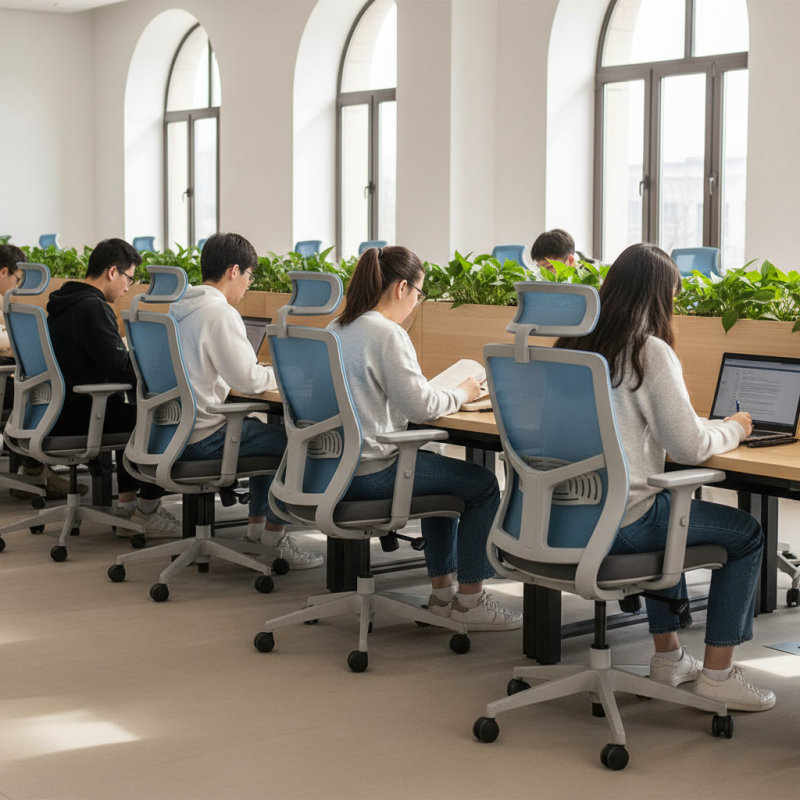
Ergonomics plays a crucial role in student learning environments. Chairs designed with ergonomics in mind significantly enhance comfort. This, in turn, boosts productivity and focus. When students are physically comfortable, they are more likely to engage in their studies. A poorly designed chair can lead to discomfort. This can distract students, diminishing their overall performance.
Investing in ergonomic chairs should be a priority. However, many students and institutions overlook their importance. Common mistakes include opting for cheaper, non-supportive furniture. This often results in fatigue and strain. Creating awareness of ergonomics is vital. Students must understand how their physical setup impacts their learning.
Tips for choosing the right chair: Look for adjustable height settings. This allows students to position themselves correctly. Ensure good lumbar support to maintain spinal alignment. Lastly, consider mobility features. A chair that moves smoothly can encourage collaborative learning environments. These small adjustments can create significant changes in productivity. Comfort is essential for success in academic pursuits.
| Aspect | Importance | Impact on Productivity | Recommended Features |
|---|---|---|---|
| Posture Support | Aids in maintaining a healthy spine position | Reduces fatigue and discomfort during study | Lumbar support and adjustable seat height |
| Comfort | Increases focus and minimizes distractions | Enhances concentration levels and study duration | Soft padding and breathable materials |
| Flexibility | Adapts to various body types and preferences | Accommodates different study positions | Adjustable armrests and seat tilt |
| Durability | Long-lasting furniture reduces replacement costs | Ensures stable and reliable study environment | High-quality materials and construction |
| Aesthetic Appeal | Enhances the learning environment | Motivates students through an inviting space | Modern design and color options |
: Ergonomics enhances comfort, which boosts productivity and focus. Comfortable students engage better in their studies.
They can cause discomfort, distract students, and diminish overall performance. This makes it harder to concentrate.
Look for adjustable height settings, good lumbar support, and mobility features. These factors significantly improve comfort and productivity.
They should support natural body movements, have adjustable height, and proper lumbar support to maintain comfort.
Good lumbar support helps align the spine, reducing the risk of back pain during long hours of study.
Opt for breathable materials to keep students cool and focused. This affects their learning effectiveness.
Yes, regular breaks, like standing or stretching, help relieve tension and improve concentration over time.
No, individual needs can vary. Some students may find it challenging to find a good fit for their body type.
Many prioritize cost over health. This can lead to chronic issues from using poorly designed furniture.
Tweak chair height, armrest height, and seat depth. These changes can significantly enhance overall comfort and productivity.
Ergonomic chairs play a crucial role in enhancing student productivity, as they are designed to promote proper posture and comfort within learning environments. The article emphasizes the importance of ergonomics in academic settings, highlighting how comfort directly correlates with focus and concentration. Key features of ergonomic chairs, such as adjustable height, lumbar support, and flexible seating options, contribute significantly to improved academic performance.
Moreover, poor posture can lead to discomfort and distractions, negatively impacting students' overall well-being and academic outcomes. By investing in ergonomic furniture, educational institutions can create a supportive environment that fosters long-term benefits for students, making it clear why ergonomic chairs are essential for student productivity.

 Rimkok Furniture