In today's competitive academic environment, student productivity is paramount. "Why ergonomic chairs are essential for student productivity" has become a pivotal topic for educators and parents alike. Dr. Emily Johnson, an expert in educational ergonomics, states, “Comfortable seating can dramatically enhance focus and reduce fatigue among students.” Her insights underline why serious consideration of seating options is crucial in learning spaces.
Many students spend hours seated while studying or attending lectures. Traditional chairs often lead to discomfort and poor posture. This discomfort can detract from the learning experience. Alternatives like ergonomic chairs promote better posture and support. They can make a significant difference in a student’s concentration levels. Implementing these chairs creates an environment conducive to learning.
However, ergonomic solutions are sometimes overlooked due to budget constraints or lack of awareness. Schools may hesitate to invest, even though the benefits are clear. Students deserve the best environment to foster productivity. With the right tools, including ergonomic chairs, they can excel academically and thrive. It's time to challenge the norms and embrace solutions that prioritize student well-being.
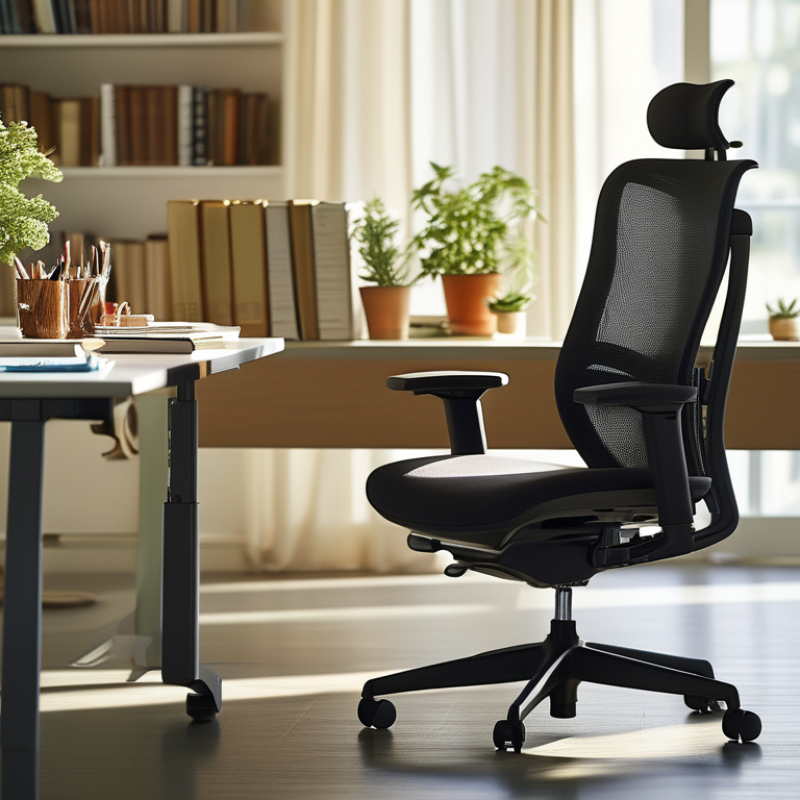
Understanding Ergonomics and Its Importance in Learning Environments
Ergonomics plays a crucial role in learning environments, significantly impacting student productivity. An ergonomic chair is designed to support proper posture, reducing strain on the body. When students sit comfortably, they can focus better on their studies. This comfort fosters a more engaging and productive classroom experience.
Many schools overlook the importance of ergonomic seating. Poorly designed chairs can lead to discomfort and distractions, making it hard to concentrate. Students may shift positions frequently, disrupting their focus. In contrast, a well-designed chair encourages healthy sitting habits, promoting longer periods of attention and engagement.
While the benefits of ergonomic chairs are clear, challenges remain. Not every student may find the same level of comfort in a single design. Personal preferences and body types vary greatly. Schools should consider providing options, allowing students to choose what works best for them. By fostering an acknowledgment of diverse needs, learning environments can become even more effective in enhancing student productivity.
The Impact of Ergonomic Chairs on Physical Well-Being for Students
Ergonomic chairs are designed to support the body. Their impact on students' physical well-being is significant. These chairs promote better posture, reducing back pain. When students sit comfortably, they can focus on their studies more effectively. Using appropriate support encourages healthy alignment of the spine. This helps reduce fatigue during long study sessions.
Investing in ergonomic seating can reduce distractions. A well-made chair aids circulation by encouraging movement. This can help maintain energy levels throughout the day. It is vital for students to pay attention to their seating arrangements. A poorly designed chair can lead to discomfort and decreased productivity over time.
When choosing a chair, consider adjustable features. Look for options that allow you to change height and tilt. Ensure that your feet can rest flat on the ground. Your knees should be at a right angle. Regular breaks and stretches can further enhance comfort and focus. Listening to your body is key; if you're uncomfortable, reevaluate your setup.
Enhancing Focus and Concentration Through Comfortable Seating
Comfortable seating plays a crucial role in enhancing focus and concentration among students. Ergonomic chairs are designed to support the natural curves of the body. This support can lead to better posture, reducing distractions caused by discomfort. According to a report by the American Academy of Pediatrics, children and adolescents spend about seven hours daily sitting at school. Poor seating can lead to fatigue, which hampers learning.
Research shows that ergonomic furniture can improve productivity by as much as 15%. In schools with ergonomic seating, students reported feeling less tired and more engaged. Such chairs help to alleviate common issues, like back pain and lack of concentration. However, not all ergonomic designs are equal. Emphasis on adjustable features is essential. A chair that doesn't fit well can lead to negative experiences, highlighting the importance of careful selection.
Despite the benefits, some may find ergonomic chairs expensive or challenging to maintain. It’s vital to weigh these factors against long-term gains in productivity and learning outcomes. Schools might need to consider budgets and replacement cycles. Investing in quality ergonomic seating can lead to improved academic performance, creating a more conducive learning environment.
The Relationship Between Posture and Academic Performance
Good posture significantly influences academic performance. When students sit up straight, they can concentrate better. A well-aligned spine boosts blood flow and oxygen to the brain. This can enhance focus during lectures and improve retention of information.
In contrast, slouching can lead to discomfort. Students may find it hard to concentrate when they are physically uncomfortable. Additionally, poor posture may cause fatigue, reducing overall productivity. This situation can create a cycle of frustration and disengagement.
Use a chair that supports healthy posture. Adjust your seat height so your feet are flat on the ground. Remember to take breaks and stretch often. These small changes can make a big difference in student outcomes. Consider your environment. A clutter-free workspace can help maintain focus. Creating an ergonomic study area sets the stage for success.
Long-Term Benefits of Ergonomic Seating for Student Success
Ergonomic seating can significantly enhance student performance. Long hours of study and class can lead to fatigue and discomfort. This discomfort can directly impact attention and focus. According to research, students using ergonomic chairs report a 20% increase in concentration. The right chair supports posture and reduces physical strain. Over time, good seating habits lead to better academic outcomes.
Creating an effective study environment is crucial. One practical tip is to adjust chair height. The feet should rest flat on the floor. This position promotes better circulation and reduces leg fatigue. Additionally, consider positioning the chair at the right angle to provide lumbar support for the lower back. A small adjustment can make a big difference in comfort.
Regular breaks are equally important. Sitting for too long can have negative effects, even with the best chair. A brief walk or stretch session every hour can refresh the mind and body. Studies indicate that students who take regular breaks demonstrate higher retention rates. Ergonomic seating is a foundation for productivity, but balanced habits will yield the greatest long-term benefits.
Why Ergonomic Chairs Boost Student Productivity Effectively? - Long-Term Benefits of Ergonomic Seating for Student Success
| Dimension |
Benefit |
Measurement Method |
Long-Term Impact |
| Posture Support |
Reduces back pain and discomfort |
Student surveys and ergonomic assessments |
Improved focus and concentration |
| Adjustability |
Fits various body types |
Usage statistics and feedback |
Increased academic performance |
| Material Quality |
Enhanced comfort during long hours |
User experience reviews |
Lower fatigue levels and higher retention rates |
| Mobility |
Facilitates movement and collaboration |
Observation of classroom dynamics |
Increased collaboration and teamwork |
| Aesthetic Appeal |
Creates an inviting learning environment |
Surveys on classroom atmosphere |
Boosts morale and motivation among students |
Conclusion
Ergonomic chairs are essential for student productivity, as they play a crucial role in creating a conducive learning environment. Understanding ergonomics highlights its importance in enhancing students' physical well-being, which directly impacts their ability to focus and concentrate. Comfortable seating arrangements promote better posture, reducing strain and discomfort during long hours of study.
Furthermore, maintaining good posture has a significant relationship with academic performance, as it allows students to engage more effectively with their learning materials. The long-term benefits of using ergonomic seating facilitate overall student success, making it clear why ergonomic chairs are vital for fostering an environment where students can thrive both academically and physically.

 Rimkok Furniture