Maintaining upholstered auditorium chairs is vital for cleanliness and longevity. As an expert in upholstery care, John Simmons, an experienced cleaning technician, emphasizes, "Regular maintenance is key to preserving fabric integrity." Understanding how to clean upholstered auditorium chairs effectively can enhance the appearance and comfort of these important seating areas.
Effective cleaning begins with the right tools and techniques. Vacuuming is essential to remove dust and debris. Use a soft brush attachment for delicate fabrics. Spot cleaning is another vital step. Always test a small area first. The right cleaning solution can lift stains without damaging the fabric.
Preventative care is equally important. Encourage audiences to avoid eating or drinking in the seating area. Implementing routine inspections can identify wear and tear early. Reflecting on these practices reveals the importance of diligence in chair care. By learning how to clean upholstered auditorium chairs effectively, we ensure a welcoming environment for all users.
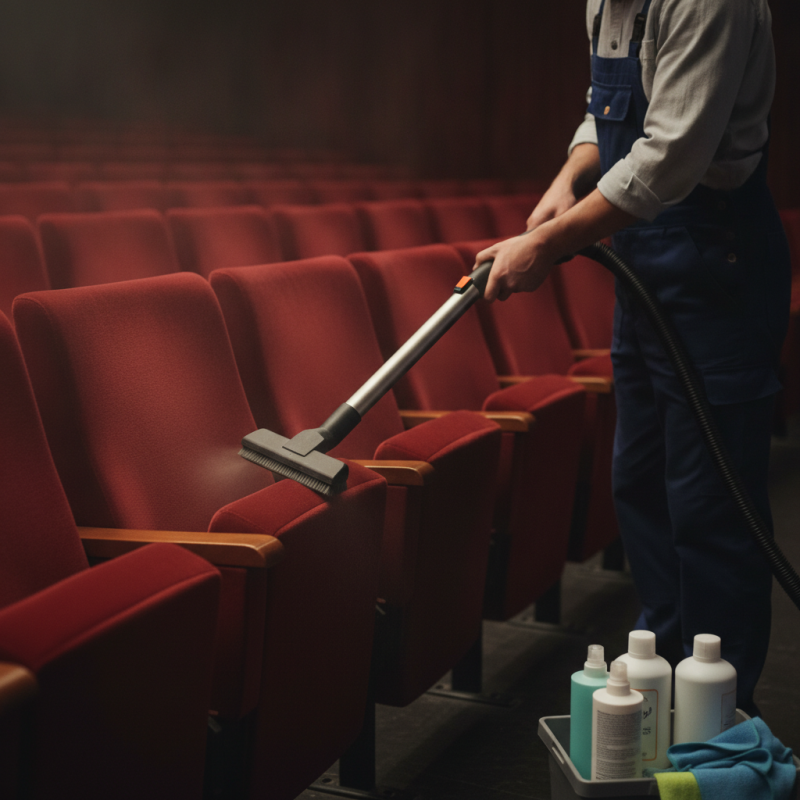
Upholstered auditorium chairs come in various materials, each requiring different care methods. Common fabrics include polyester, nylon, and leather. Understanding these materials helps ensure a proper cleaning process. Polyester and nylon are durable but can attract dust and stains easily. Leather, while elegant, needs special care to avoid cracking.
Regular maintenance is crucial. Here are a few tips. Vacuum the chairs weekly to remove dust. Use a soft brush attachment to prevent fabric damage. For stains, blot with a damp cloth immediately. Avoid rubbing the stain, as this can spread it. Test any cleaning solution on a hidden area before applying it to visible spots.
Over time, upholstered chairs may wear down. Check for frayed edges and loose seams regularly. Addressing these issues promptly can prolong the chair's lifespan. Consider using fabric protectors to shield the material from spills and stains. While this may add an extra step, it ultimately reduces the need for frequent deep cleaning.
Cleaning upholstered auditorium chairs requires careful preparation and the right tools. Essential supplies can make a significant difference. Start with a vacuum cleaner equipped with a brush attachment. It effectively removes dust and debris from fabric. According to the Textile Protection and Restoration Conference, over 80% of dirt in upholstery comes from particles trapped in fibers. Regular vacuuming helps maintain appearance and prolongs chair life.
For stains, a spot cleaner is necessary. Choose an upholstery-specific cleaner to target common issues like food or beverage spills. Additionally, microfiber cloths absorb moisture and minimize damage during cleaning. A study by the Institute of Inspection, Cleaning and Restoration Certification indicates that proper cleaning can improve indoor air quality by up to 50%. Use a soft-bristled brush for gentle scrubbing.
Don’t overlook a quality water extraction machine. It can eliminate stubborn stains and deep-seated dirt. While these tools are effective, improper use might damage fabric. Always test cleaners on a small area first. Take time to reflect on your cleaning practices. Regular maintenance can save costs in the long run, but neglect leads to major issues. Effectiveness lies in consistency and using the right tools for the task.
| Tool/Supply | Purpose | Usage Tips |
|---|---|---|
| Vacuum Cleaner | Removes dust and debris | Use a brush attachment for upholstery |
| Upholstery Cleaner | Cleans and refreshes fabric | Test on a small area first |
| Soft Brush | Loosens dirt | Use gentle strokes to avoid fabric damage |
| Microfiber Cloth | Wipes down surfaces | Dampen the cloth for better results |
| Spot Treatment Solutions | Treats specific stains | Apply directly to the stain, following instructions |
| Steam Cleaner | Deep cleans upholstery | Keep distance to avoid water damage |
Cleaning upholstered chairs is essential for maintaining a fresh and inviting environment in an auditorium. Vacuuming is a crucial step that helps remove dust, dirt, and allergens. Begin by choosing a vacuum cleaner with an upholstery attachment. This tool is designed to delicately lift debris from the fabric without causing damage.
Begin your vacuuming from the top of the chairs, ensuring that you reach into the crevices and seams. Use slow, deliberate motions. Pay attention to areas where dirt accumulates, such as armrests and seat cushions. You may want to repeat this process a few times to uncover any hidden grime. Don’t rush; it’s easy to overlook spots.
After vacuuming, consider checking for stains. Even with thorough cleaning, some marks may remain. A simple mixture of water and a mild detergent can help tackle these issues. Test it on a small area first. Don’t worry if results aren’t perfect; upholstery can be tricky. Regular maintenance will keep your chairs looking their best over time.
Upholstered auditorium chairs often face wear and stains from daily use. Proper cleaning techniques are crucial to maintain their appearance. Studies indicate that 80% of stains are typically removable with the right approach. Understanding the fabric type helps select appropriate cleaning methods.
For effective stain removal, start by testing hidden areas to assess colorfastness. Use a diluted solution of mild detergent and water for most stains. Blot, don’t rub, to avoid spreading the stain. A report from the Textile Research Journal notes that blotting with a white cloth can lift up to 70% of the stain when done correctly. For difficult stains like ink or wine, consider a dedicated upholstery cleaner. However, always follow the manufacturer's guidelines for best results.
Many users overlook the importance of regular maintenance. Dust and dirt can weaken fabric fibers over time. A monthly vacuum can prolong the life of chairs significantly. Yet, improper cleaning can lead to fabric damage or discoloration. Knowing when to consult professionals is vital in such cases to avoid costly replacements. No method is foolproof; continuous assessment and adjustment of cleaning techniques are essential.
Maintaining cleanliness in auditorium seating is crucial for ensuring the comfort of attendees and preserving the integrity of the furniture. According to the International Facility Management Association, 47% of facility managers report that cleanliness directly impacts visitor retention. Regular cleaning protocols can significantly enhance the overall experience.
Start by vacuuming upholstery to remove dust and debris. Use an upholstery attachment to reach crevices effectively. This enhances air quality. Many experts recommend deep-cleaning chairs every six months. Specialized cleaning solutions can help eliminate stubborn stains while being safe for various fabric types. A study by the Textile Conservation Center emphasizes the impact of consistent cleaning in prolonging the life of fabric.
However, it's essential to remain mindful of potential deterioration. Excessive scrubbing or using improper chemicals can damage the upholstery. Improper cleaning techniques may lead to unwanted discoloration. Regular inspection of chairs for wear and tear ensures timely repairs, which can prevent more extensive damage and costly replacements. Balancing cleanliness with careful maintenance practices fosters not only a welcoming environment but also a sustainable approach to auditorium care.
: Regular vacuuming is recommended, ideally every few weeks, to maintain appearance and prolong chair life.
Use a vacuum cleaner with an upholstery attachment. It removes dust and dirt without damaging the fabric.
For stubborn stains, use a mild detergent mixed with water. Always test on a small area first.
Regular cleaning, including vacuuming, can improve indoor air quality by up to 50%, according to studies.
Avoid excessive scrubbing and improper chemicals as they can damage the fabric and cause discoloration.
Deep clean upholstery every six months to maintain fabric integrity and address any hidden dirt effectively.
Microfiber cloths are ideal for absorbing moisture and minimizing damage during the cleaning process.
Regular maintenance reduces costs in the long run. Neglect may lead to major cleaning issues over time.
Yes, testing on a small area first prevents potential damage to the upholstery. Safety comes first.
Neglecting cleaning can lead to major issues, such as damaged fabric and costly replacements. Regular care is essential.
Cleaning upholstered auditorium chairs effectively requires a thorough understanding of the materials and care needs specific to these seats. Essential tools and supplies, such as vacuums, upholstery brushes, and appropriate cleaning solutions, play a critical role in maintaining cleanliness. A step-by-step guide to vacuuming upholstered chairs ensures that dirt and dust are properly removed, paving the way for more effective stain removal techniques tailored to different fabrics.
Regular maintenance practices are crucial for keeping auditorium seating in peak condition. By implementing a routine cleaning schedule and adopting best practices, such as promptly addressing spills and using protective sprays, you can significantly extend the life of the upholstery. Understanding how to clean upholstered auditorium chairs effectively not only enhances the aesthetic appeal of the venue but also promotes a healthier environment for users.

Rimkok Furniture