How to Discover the Latest Trends in Office Workspace Design 2026?

Time:2026-06-22 Author:Liam
0%

As we look toward 2026, exploring "what are the latest trends in office workspace design 2026" is crucial for businesses striving for innovation. According to a report by Global Workplace Analytics, 70% of employees prefer flexible work options, signaling a shift toward hybrid models. This change demands a redesign of traditional workspaces to accommodate new needs.

Experts like Dr. Sarah Johnson, a well-known workplace design consultant, emphasize the importance of adaptability. She states, “The future office must foster collaboration while allowing for personal space.” This duality reflects a growing necessity for spaces that encourage both teamwork and individual productivity.

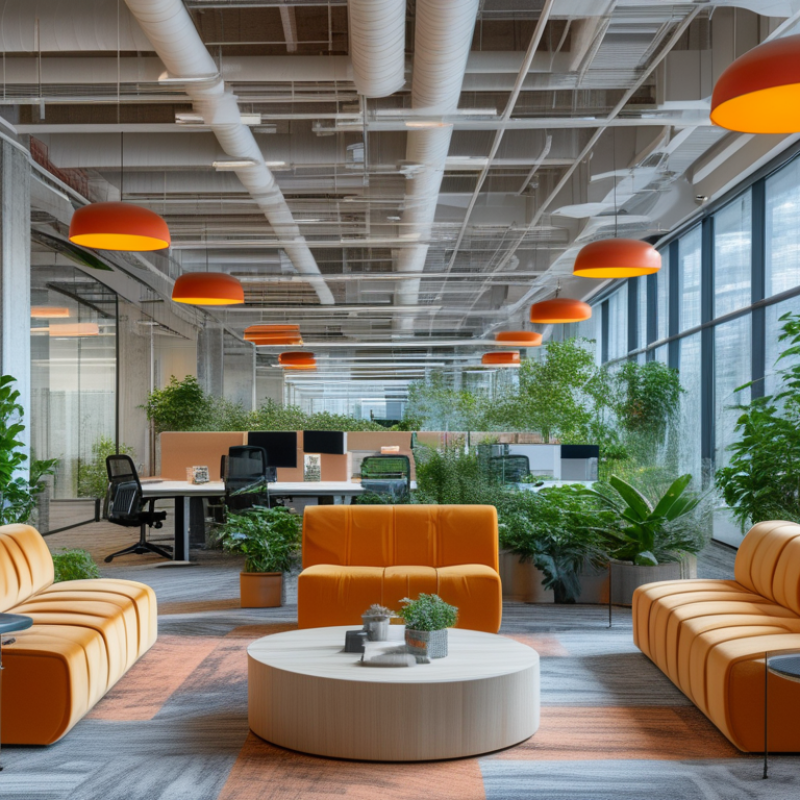
Recent trends include biophilic design, which enhances connection to nature, and smart technology integrations that optimize energy use. However, challenges remain in balancing open areas with private spaces. Companies must continuously assess and refine their designs to meet evolving workforce demands effectively. Ignoring these trends can leave businesses behind in a competitive landscape.
How to Discover the Latest Trends in Office Workspace Design 2026?

Identifying Influential Sources for Office Workspace Design Trends

In 2026, understanding the latest trends in office workspace design hinges on identifying key sources that shape these innovations. Academic institutions, design think tanks, and industry reports are pivotal. For instance, the Global Workplace Survey indicates that 70% of employees prefer flexible workspaces, pushing organizations to adapt. Trends suggest blending technology with nature is essential. Biophilic design, which incorporates natural elements, is becoming a standard in modern offices.

Reports from leading architecture firms show that hybrid work models are now standard. According to the Workplace Research Institute, nearly 60% of companies will prioritize collaborative spaces by 2026. However, many organizations still struggle with finding a balance between open designs and employee privacy. This dilemma calls for a deep dive into employee feedback and design effectiveness.

Monitoring platforms like ISSA and the International Interior Design Association can provide timely insights. They often share case studies detailing innovative designs and their impacts. It's critical to remain cautious; not every trend suits every organization. Assessing the unique needs of a workforce can lead to more thoughtful design choices.

Analyzing Emerging Technologies Impacting Office Environments

Emerging technologies are reshaping office environments profoundly. Virtual reality (VR) is one such technology, enhancing design processes. With VR, architects can create immersive experiences. Users walk through designs before construction begins. This tool reduces errors but can overlook human emotions tied to space.

Another significant trend is the integration of artificial intelligence (AI). AI analyzes data on employee behavior and workspace use. It provides insights into space efficiency and employee preferences. However, reliance on AI may risk overlooking the nuances of human interactions. Data can't entirely capture creativity or collaboration.

Sustainability technologies also play a crucial role. Smart building systems monitor energy consumption and optimize resource use. This shift toward sustainability addresses current environmental concerns. Yet, there’s always a question of balancing functionality and eco-friendly practices. Can we innovate without compromising our core values?

Exploring Sustainable Practices in Modern Workspace Design

In recent years, sustainable practices in workspace design have gained traction. Offices are shifting towards eco-friendly materials and energy-efficient technologies. Designers are now focusing on how to create environments that reduce carbon footprints. This involves using reclaimed wood, recycled metals, and low-VOC paints. Each element plays a crucial role in promoting sustainability.

Green spaces are making a comeback. Indoor plants improve air quality and employee wellness. Natural light also enhances productivity. Companies are considering biophilic design principles. These practices create a connection to nature, which is vital for mental health. However, not all designs balance aesthetics and sustainability effectively. Some attempts can feel forced or insincere.

Flexibility in workspace layouts is critical. Modular furniture allows for easy reconfiguration. This adaptability supports different work styles and encourages collaboration. It's a challenge to make every aspect sustainable. Often, the cheapest solutions compromise environmental values. Nonetheless, these obstacles push designers to innovate. It's essential to learn from successes and failures in creating responsible workspace designs.

Latest Trends in Office Workspace Design 2026

Understanding Employee Preferences in Office Layouts

In 2026, understanding employee preferences in office layouts is essential for effective workspace design. Research by the Workplace Trends Institute indicates that 75% of employees prefer flexible workspaces. These preferences highlight the demand for adaptable environments that cater to various tasks and working styles. Collaborative areas and quiet zones are increasingly valuable.

Flexibility is key, but not all employees thrive in open spaces. A report by the International Facility Management Association reveals that 58% of employees feel distracted in open-office layouts. Finding a balance is crucial. Providing options for private areas can significantly enhance productivity. Integrating plants and natural light can also improve employee satisfaction.

Employers must prioritize employee feedback when designing workspaces. A study from Steelcase found that 65% of workers seek environments that support their work-life balance. Ignoring these insights may lead to higher turnover rates. Companies should analyze their unique workforce dynamics to create spaces that truly resonate with their teams. This approach not only fosters a positive culture but also boosts overall performance.

How to Discover the Latest Trends in Office Workspace Design 2026? - Understanding Employee Preferences in Office Layouts

Preference Category Percentage of Employees Comments
Open Plan Layout 35% Encourages collaboration but has noise issues.
Private Offices 25% Provides privacy and focus but limits collaboration.
Flexible Workspaces 20% Allows employees to choose different environments.
Co-working Spaces 10% Great for networking but can lack company culture.
Activity-Based Workspaces 10% Supports various work activities but requires planning.

Surveying Global Innovations in Office Design for 2026

As we approach 2026, the office workspace design landscape is transforming rapidly. Global innovations are making offices more adaptable and employee-centered. Designers are prioritizing flexibility, allowing spaces to shift based on team needs. This means movable walls and multi-functional furniture are gaining traction.

Sustainability is another key focus. Many companies are opting for eco-friendly materials to reduce their carbon footprint. Natural light is becoming essential, with large windows being commonplace. Employees crave environments that support well-being. Plants and green spaces are now integral to design, enhancing productivity and creativity.

However, some companies struggle to implement these trends. They may have outdated structures that do not allow for adjustments. Additionally, balancing aesthetics and functionality can be challenging. Organizations must reevaluate their current spaces. Collaborating with experts is important to stay ahead. Understanding these innovations is crucial for creating impactful workplaces in the near future.

FAQS

: What are sustainable practices in workspace design?

: Sustainable practices involve using eco-friendly materials and energy-efficient technologies to reduce carbon footprints.

How do indoor plants benefit office spaces?

Indoor plants improve air quality and enhance employee wellness, contributing to overall productivity.

What design principles connect employees to nature?

Biophilic design principles create a vital connection to nature, which is important for mental health.

Why is flexibility in workspace layouts important?

Flexibility supports different work styles and encourages collaboration in ever-changing work environments.

What challenges do designers face when creating sustainable spaces?

Not all affordable solutions promote sustainability; some cheap options can compromise environmental values.

How do employee preferences impact office layouts?

Understanding preferences helps create adaptable workspaces that cater to various tasks, improving satisfaction.

What percentage of employees prefer flexible workspaces?

Research shows that 75% of employees prefer flexible workspaces for better adaptability.

What issues can arise from open-office layouts?

About 58% of employees feel distracted in open-office environments; balance is vital.

How can companies enhance employee productivity?

Providing options for private areas and integrating natural elements can significantly boost productivity.

Why is employee feedback crucial in workspace design?

Ignoring feedback can increase turnover rates; designs should resonate with workforce dynamics for better performance.

Conclusion

In exploring what are the latest trends in office workspace design 2026, it is crucial to identify influential sources that shape these trends, including industry experts, architectural design firms, and technological innovations. Analyzing emerging technologies, such as AI and IoT, reveals their significant impact on creating more efficient and adaptable office environments, fostering enhanced collaboration and productivity.

Furthermore, sustainable practices are becoming increasingly important in modern workspace design, pushing organizations to adopt eco-friendly materials and energy-efficient solutions. Understanding employee preferences in office layouts is essential, as it directly influences workplace satisfaction and performance. Additionally, surveying global innovations indicates that diverse design approaches are emerging around the world, emphasizing flexibility, wellness, and connectivity in the workplace of 2026.

Liam

Liam

Liam is a dedicated marketing professional with a profound expertise in the industry, where he excels at highlighting the unique advantages of our core products. With a keen understanding of market trends and consumer needs, Liam frequently updates our company’s professional blog, providing......