Why is Metal Furniture More Cost Effective than Wood for Dorms?

Time:2026-05-03 Author:Liam
0%

In the realm of dormitory design, the debate over furniture materials is crucial. The central question remains: why is metal furniture more cost-effective than wood for dormitories? According to a recent report by the National Association of College and University Business Officers, metal furniture can reduce costs by up to 30% compared to traditional wood options. This savings stems from lower manufacturing costs and the durability of metal, which outlasts wood in high-traffic student environments.

Industry expert Dr. Lisa Meyer states, "The longevity and resilience of metal furniture make it a valuable investment for colleges." Her insights highlight the potential for reduced replacement costs over time. Furthermore, metal furniture is less susceptible to damage from spills and wear, which are common in dorm settings. This not only enhances its lifespan but also minimizes maintenance expenses.

While the aesthetic appeal of wood might entice some, it often leads to higher upkeep costs. As student populations grow, the demand for affordable and durable solutions becomes urgent. Thus, exploring why metal furniture is more cost-effective than wood for dormitories offers valuable insights into efficient resource allocation in educational institutions.
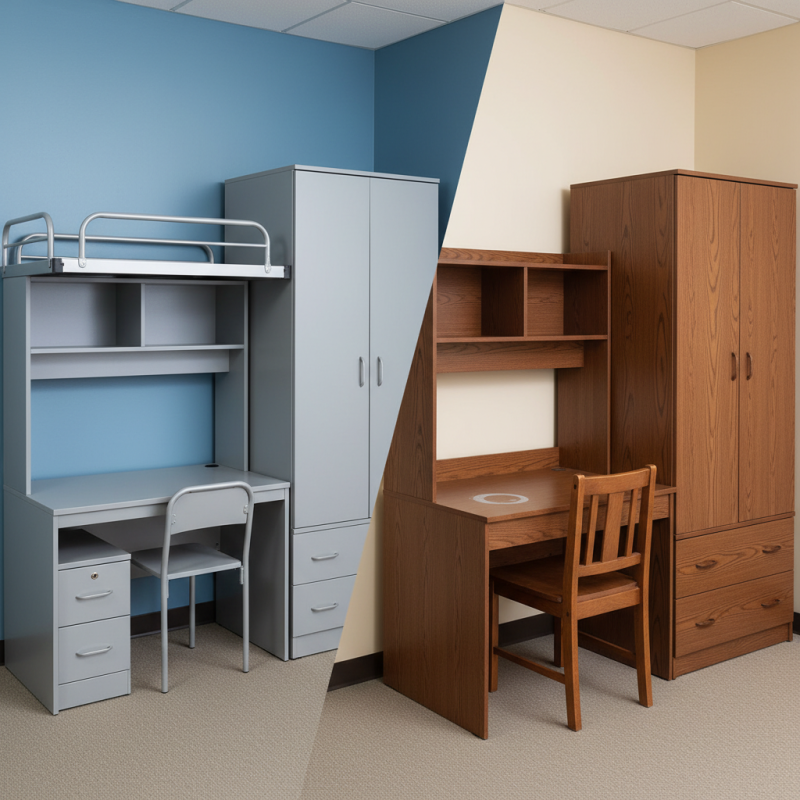
Why is Metal Furniture More Cost Effective than Wood for Dorms?

Overview of Metal vs. Wood Furniture in Dormitories

In dormitories, the choice between metal and wood furniture has significant implications. Metal furniture offers durability that wood often cannot match. Metal frames resist scratches, dents, and water damage, making them ideal for busy environments. Students lead active lives, and a sturdy metal desk can withstand heavy use without showing wear.

Wood might have aesthetic appeal, but it often comes at a higher price and requires more maintenance. Furniture made of metal is generally lighter and easier to move, a crucial benefit for students changing rooms. The sleek design of metal pieces can also make a room feel more modern. Yet, some people miss the warmth and texture of wooden furniture. It's essential to weigh these preferences against practicality and cost.

Additionally, metal furniture is often more cost-effective in the long run. While the initial investment might seem comparable, metal's lifespan and lower maintenance often lead to savings. However, not everyone likes the industrial look of metal, which might feel cold to some. Balancing aesthetic preferences with functionality can be challenging for students.

Cost Comparison: Initial Investment and Long-Term Savings

When assessing furniture for dorms, metal alternatives often emerge as more cost-effective than wood. A recent industry report revealed that the initial investment for metal furniture can be up to 30% lower than that of wood. The durability of metal also contributes to long-term savings. Metal furniture can withstand heavy use and frequent moves, making it ideal for dorm life.

Maintenance costs further enhance metal's appeal. Wood furniture often requires refinishing or repairs, adding to long-term expenses. In contrast, metal furniture needs minimal upkeep. This consideration can save students significant money over the years. Being budget-conscious is essential in a college environment. Investing wisely can influence overall financial health.

Tips:

  • Consider lightweight metal options for easier transport.
  • Choose designs that maximize storage, aiding small dorm spaces.
  • Research warranties or guarantees to understand product longevity better.
  • These factors can enhance your dorm experience while providing financial security.
  • Exploring eco-friendly metal choices can also reflect a commitment to sustainability.

Durability and Maintenance: Metal Furniture Advantages

When considering furniture for dorms, metal options often provide significant benefits in durability and maintenance over wood. Metal structures show impressive resistance to wear and tear. According to a study by the American Institute for Steel Construction, metal furniture can last up to 25 years longer than wooden counterparts. This is crucial for students who need reliable furniture as they juggle academics and social lives.

Maintenance is another area where metal outshines wood. Metal furniture typically requires minimal upkeep. A simple wipe-down with a damp cloth is often enough to remove dirt and stains. In contrast, wood requires regular polishing and can suffer from scratches and dents. A report from the National Association of College and University Business Officers highlights that schools can save up to 30% on maintenance costs with metal due to its longevity and reduced upkeep.

**Tip:** Look for furniture with a powder-coated finish. This adds extra protection and helps resist scratches, chips, and rust.

Consider how your furniture will stand up to everyday life. Metal’s resilience against spills and wear can be a game-changer in a busy dorm environment. However, be mindful of the comfort aspect. Some students find metal surfaces colder or less inviting than wood. Balancing style with practicality can lead to more thoughtful choices.

Aesthetics and Customization Options for Dorm Spaces

Metal furniture offers a sleek, modern aesthetic ideal for dorms. Its clean lines and metallic finishes adapt well to various decor styles. Students can personalize their spaces easily, mixing different colors and designs. Metal pieces often come in vibrant hues, allowing for bold expressions that wood cannot match.

Customization can be a game changer. Choose modular designs that grow with your needs. Consider shelving or tables that can be rearranged at will. Transform openness with stackable chairs or foldable desks. This versatility enhances functionality, making cramped dorms feel spacious.

Tips for choosing metal furniture:
Look for durable materials that withstand wear and tear. Think beyond the basics. For example, incorporate multipurpose pieces that serve as storage. Explore finishes that are easy to clean, especially for shared spaces. Finally, ensure that your selections align with your aesthetic vision, creating a space that feels both personal and inviting.

Environmental Impact: Sustainability of Metal vs. Wood Furniture

Metal furniture often outperforms wood in terms of environmental sustainability. Studies indicate that metal has a smaller carbon footprint compared to wood. Manufacturing metal furniture typically requires less energy and generates fewer emissions. According to the U.S. Environmental Protection Agency, recycling rates for metals can reach up to 90%. This contrasts sharply with wood, which suffers from deforestation and habitat loss.

Wood furniture, while attractive, entails significant resource depletion. The World Resources Institute reports that about 13 million hectares of forests are lost each year due to logging. This not only threatens biodiversity but also increases carbon dioxide levels in the atmosphere. Metal, on the other hand, can be recycled multiple times without losing quality. This recyclability contributes to a circular economy, where resources are reused rather than discarded.

Yet, the production process for metal furniture isn't without its environmental tolls. Mining and processing metals can lead to soil and water pollution. These challenges create barriers for true sustainability. Each material presents its complexities, demanding careful consideration when furnishing dorms. Understanding these nuances leads to more informed choices, aligning our values with our consumption habits.

Why is Metal Furniture More Cost Effective than Wood for Dorms?

This chart compares the cost-effectiveness of metal furniture versus wood furniture for dormitory use based on factors such as durability, maintenance costs, and environmental impact. The data illustrates that metal furniture offers significant advantages in sustainability and long-term cost savings.

FAQS

: What are the benefits of metal furniture in dormitories?

: Metal furniture is durable, lightweight, and easy to move. It withstands heavy use well, making it suitable for student life.

How does wood furniture compare to metal in terms of cost?

Initial costs for wood are often higher. Metal furniture is more cost-effective over time due to lower maintenance and longer lifespan.

What maintenance does wood furniture require?

Wood often needs refinishing and repairs, leading to additional long-term costs. This can be burdensome for budget-conscious students.

Are there aesthetic drawbacks to choosing metal furniture?

Some may find metal furniture too industrial or cold. It lacks the warmth and texture that wooden pieces can provide.

How can I customize metal furniture for my dorm space?

Look for modular designs and vibrant colors. This allows for personal expression and adapts to changing needs over time.

What storage solutions work well in small dormitory spaces?

Consider multipurpose metal pieces and stackable options. They help maximize limited space effectively and keep areas organized.

Is eco-friendly metal furniture available for students?

Yes, exploring eco-friendly metal choices can show commitment to sustainability. Research options that align with your values.

What tips exist for selecting durable metal furniture?

Choose materials that handle wear well and easy-to-clean finishes. Ensure that items fit your style and practical needs.

How does moving affect furniture choice for students?

Lightweight metal furniture is easier to transport. This is important for students who frequently change rooms or setups.

What are some downsides of metal furniture in dorms?

While durable, some students may miss the cozy feel of wood. It's essential to think about personal preferences and comfort.

Conclusion

In considering dormitory furnishings, one may wonder, "why is metal furniture more cost-effective than wood for dormitories?" A comprehensive cost comparison reveals that while the initial investment in metal furniture might be similar to wood, the long-term savings are significant. Metal furniture generally requires less maintenance and has a longer lifespan, reducing replacement and repair costs for college students and institutions.

Additionally, metal furniture offers advantages in durability and maintenance, standing up to the wear and tear of student life. Aesthetically, metal pieces can be customized to fit diverse dorm styles while still providing a modern look. Furthermore, from an environmental perspective, metal furniture is often more sustainable due to its recyclability compared to wood furniture. Overall, the combination of durability, lower long-term costs, aesthetic versatility, and sustainability makes metal furniture a more cost-effective option for dormitories.

Liam

Liam

Liam is a dedicated marketing professional with a profound expertise in the industry, where he excels at highlighting the unique advantages of our core products. With a keen understanding of market trends and consumer needs, Liam frequently updates our company’s professional blog, providing......