Calculate Classroom Furniture Budget for 500 Students Tips?

Time:2026-07-16 Author:Liam
0%

Creating a classroom that caters to 500 students requires careful planning. One critical aspect is understanding how to calculate classroom furniture budget for 500 students. This task involves not just numbers but also thoughtful consideration of the needs of each student. A well-designed classroom can enhance learning experiences and foster engagement.

When you begin, it's important to assess the type of furniture required. Desks, chairs, and storage solutions should align with the educational goals. Additionally, evaluating the available space is essential. You must ensure that the furniture fits well and allows for movement. An often overlooked aspect is the quality and durability of the furniture. Investing in good-quality pieces can save money in the long run.

As you formulate your budget, consider potential challenges. Prices fluctuate, and it's wise to seek multiple quotes. Reflect on the long-term needs of your school. Will the furniture accommodate future growth? Understanding how to calculate classroom furniture budget for 500 students involves not just initial costs but also future expenses. This comprehensive approach can lead to a sustainable and functional learning environment.
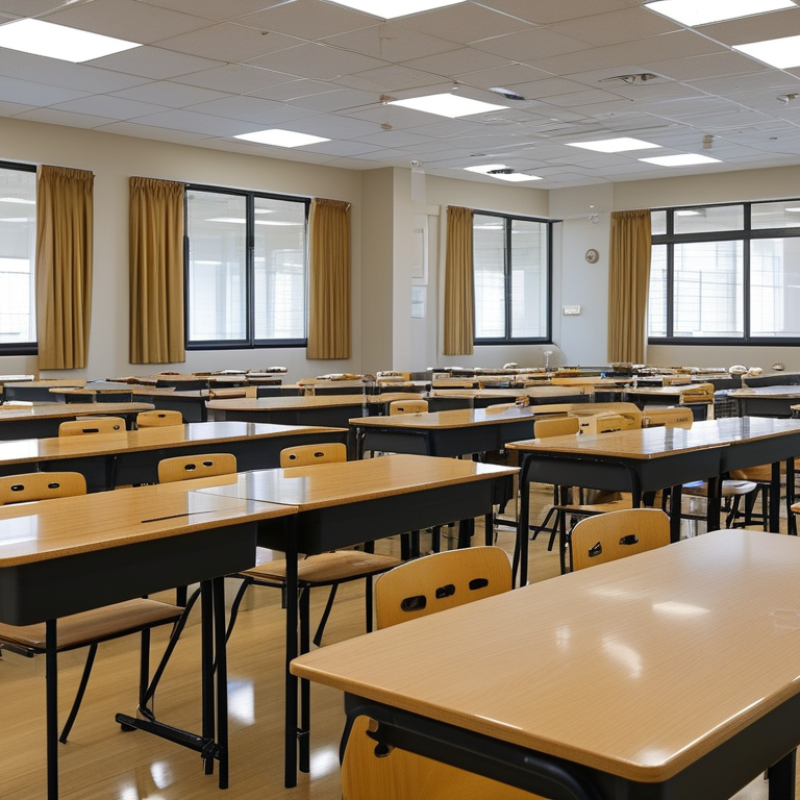
Calculate Classroom Furniture Budget for 500 Students Tips?

Identify Types of Classroom Furniture Needed for 500 Students

When planning for 500 students, choosing the right types of classroom furniture is crucial. Research indicates that the average space needed per student is about 20 square feet. This means that, for 500 students, a classroom space of around 10,000 square feet is ideal. It guides the selection of desks, chairs, and essential collaborative furniture.

Desks and chairs must support various learning styles. Adjustable desks enhance comfort and encourage movement. According to the National Center for Education Statistics, a comfortable seating arrangement can improve concentration by 25%. Collaboration furniture, such as round tables, facilitates group work, promoting teamwork and interaction among students. Ideally, each student should have an individual desk or share a larger workspace with one or two peers.

Don’t overlook storage solutions. Each classroom requires shelving and cabinets to house materials. Studies reveal that organized spaces can boost academic performance significantly. A well-planned furniture layout maximizes space, enabling effective teaching and learning. Reflect on how each piece of furniture impacts student engagement and learning outcomes.

Estimate Quantity of Each Furniture Type Based on Student Ratio

Estimating the quantity of classroom furniture for 500 students requires a thoughtful approach. Start by considering the student-to-furniture ratio. Typically, a suitable ratio is one desk and one chair per student. Hence, for 500 students, you need at least 500 desks and 500 chairs. This estimate serves as a foundational guideline.

However, classrooms often require additional furniture types. For example, include storage units and collaborative tables. A common recommendation is to allocate 20% of your total furniture budget for storage solutions. If you opt for collaborative spaces, consider adding round tables for group work. Approximately 10-15 communal tables would provide flexibility.

Reflecting on past experiences can help refine your calculations. Take into account the specific needs of different classrooms and teaching styles. Not every classroom will function the same way. Some may require more seating arrangements, while others need fewer desks. Flexibility in your budget allows room for adjustments. Balancing between student needs and available space enhances the learning environment effectively.

Classroom Furniture Budget for 500 Students

Research Average Costs for Classroom Furniture per Item

When budgeting for classroom furniture for 500 students, understanding the average costs is crucial. Desks often range from $100 to $300 each. This variation depends on the quality and design chosen. For example, basic models usually cost less, while ergonomic options may be higher. Chairs typically range from $50 to $150. Comfortable seating can enhance learning, so investing here is essential.

Tables for group work are another important aspect. Standard tables can cost between $150 and $400, influenced by size and material. This can become significant when equipping a large classroom. Additionally, storage units like lockers or cabinets are needed. These often range from $200 to $600. They help keep materials organized and accessible.

Planning for repairs and replacements should also be part of the budget. Furniture may wear out quickly, especially with heavy use. Choosing durable materials may require upfront investment but can save money long-term. Engaging with educators during selection can yield valuable insights. They understand what works best for students and can guide choices efficiently.

Budget for Additional Expenses Such as Delivery and Installation

When budgeting for classroom furniture for 500 students, consider additional expenses like delivery and installation. Research by the Educational Furniture Association indicates that delivery can add 12-20% to overall costs. This expense should not be overlooked. Proper planning can prevent overspending.

Installation costs vary widely based on the complexity of assembly. For example, specialty furniture may require more labor and time. Some estimates suggest that installation fees can reach 15-25% of the total furniture cost. Schools should account for these variations when calculating their budgets.

Budgeting for extra services, like waste disposal or environmental compliance, is also important. Schools may need to dispose of old furniture responsibly. This can incur additional fees and is a common oversight. Planning for these costs ensures that your entire budget remains intact. Schools must learn to anticipate these expenses for a successful furniture purchase.

Review Funding Sources and Budget Allocation Strategies for Schools

Finding the right budget for classroom furniture can be challenging, especially for 500 students. Schools must explore various funding sources to meet their needs. Grants from non-profits, community organizations, and local businesses are valuable options. Many school districts have specific allocations for equipment like desks and chairs, which can be quite helpful.

Collaboration with local businesses can lead to sponsorship opportunities that ease costs. Involving parents and school boards can also create a pool of resources. Crowdfunding platforms have gained popularity, offering communities a way to contribute. While these strategies can provide relief, inconsistent funding can limit long-term investments. Schools face the dilemma of balancing quality with affordability, leading to tough choices.

Budget allocation strategies are essential. Prioritizing essential items while tracking spending is crucial. Gathering input from teachers helps identify key needs. However, miscommunication about expectations may arise. It’s vital to maintain transparency with stakeholders throughout the process. Each decision affects the classroom environment profoundly, influencing student engagement and learning outcomes.

FAQS

: What types of classroom furniture are needed for 500 students?

: Desks, chairs, and collaborative furniture are essential for 500 students. Plan for around 10,000 square feet of space.

How much space is recommended per student?

The average needed space per student is about 20 square feet.

Why are adjustable desks important?

Adjustable desks improve comfort and encourage movement, which can enhance concentration.

What role does storage play in a classroom?

Storage solutions like shelving and cabinets are crucial to keep materials organized and accessible.

What are the average costs of desks?

Desks typically range from $100 to $300, depending on quality and design.

How much do chairs for students cost?

Chairs usually range from $50 to $150, focusing on comfort for better learning.

What should I consider for tables in a classroom?

Tables for group work can cost between $150 and $400, influenced by size and material.

How can furniture durability impact budgeting?

Investing in durable materials may cost more initially but saves money on repairs long-term.

How can educator input help in furniture selection?

Educators know what works best for students and can provide insights for effective choices.

Conclusion

When considering how to calculate the classroom furniture budget for 500 students, it is essential to start by identifying the types of furniture required. This may include desks, chairs, and storage units tailored to the needs of the student population. Following that, estimating the quantity of each furniture type based on established student-to-furniture ratios is crucial for accuracy.

Next, researching the average costs for each type of classroom furniture will provide a clear understanding of the total budget needed. Additionally, it's important to account for extra expenses such as delivery and installation, which can significantly impact the final budget. Finally, reviewing funding sources and budget allocation strategies for schools ensures that the necessary financial resources are secured to successfully furnish classrooms for an optimal learning environment.

Liam

Liam

Liam is a dedicated marketing professional with a profound expertise in the industry, where he excels at highlighting the unique advantages of our core products. With a keen understanding of market trends and consumer needs, Liam frequently updates our company’s professional blog, providing......