Choosing the best height for kindergarten tables and chairs is crucial for children's comfort and learning. Research indicates that furniture should match children's physical dimensions for optimal engagement. According to the National Association for the Education of Young Children (NAEYC), mismatched furniture can hinder a child's ability to focus and participate.
Dr. Emily Thompson, an expert in early childhood education, states, "The right height fosters independence and promotes better interaction among peers." To address the question, "what is the best height for kindergarten tables and chairs," one must consider children's average height and developmental needs. Children aged 5-6 typically range between 42 and 48 inches. Tables around 20 to 22 inches in height and chairs at 10 to 12 inches are often recommended.
Despite these guidelines, variations occur. Some children may be shorter or taller than average. In such cases, adjustable options offer flexibility. This can prevent discomfort that may arise from poorly matched furniture, allowing each child to thrive in their learning environment. Prioritizing the right dimensions is not just a detail; it's an investment in children's growth and educational experiences.
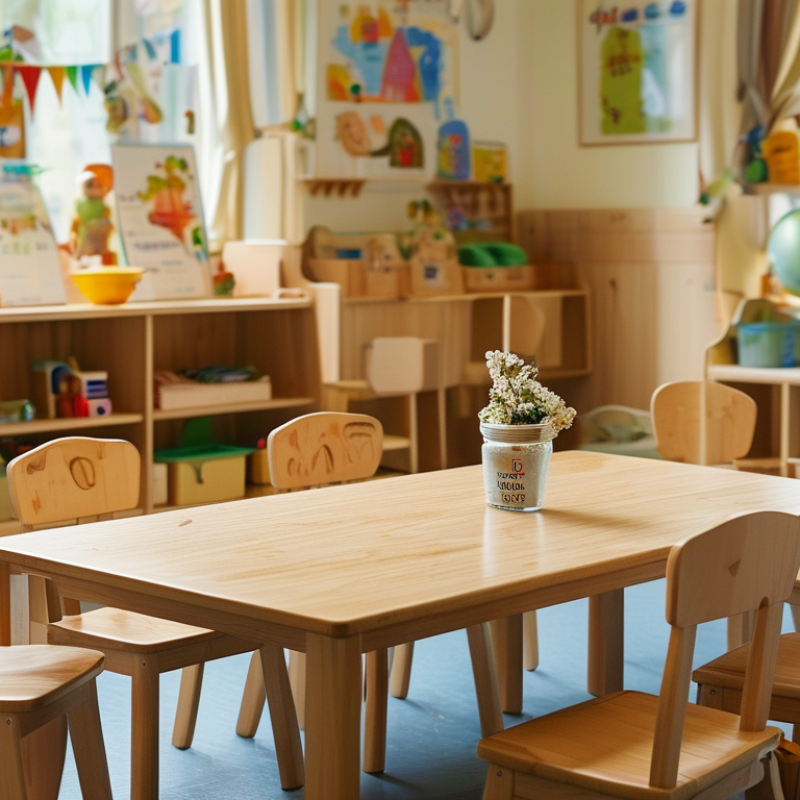
Choosing the right height for kindergarten tables and chairs significantly impacts children's comfort and learning. Properly sized furniture promotes good posture and enables children to focus better. When children sit comfortably, they can engage more in activities. This is crucial in a kindergarten setting where growth happens rapidly.
Finding the ideal height can be tricky. Many schools use standard sizes, but not all children fit these measurements. Some kids may be too tall or too short for the norm. This discrepancy can lead to discomfort and distractions. Educators should consider observing children in different positions to understand their needs better. Adjustability is vital, allowing furniture to grow with the children.
Furthermore, a mismatch in height can cause frustration among young learners. If tables are too high, children may strain to reach their materials. Conversely, if chairs are too low, getting up becomes a challenge. These factors can hinder their learning experience. It’s essential to revisit and assess classroom furniture regularly, ensuring it remains appropriate for all students.
This chart illustrates the recommended height ranges for tables and chairs suitable for kindergarten students aged 3 to 6 years. Proper height selection is crucial for children's comfort and learning experiences.
When selecting furniture for kindergarten, height is crucial. Children of different ages require different table and chair heights. Typically, tables should be around 20 to 22 inches high for younger children. This promotes good posture and comfort. Chairs, on the other hand, should be about 10 inches lower than the table height. This ensures children can sit with their feet flat on the ground.
Consider the age range of the children in your care. Even small adjustments can make a significant difference. Some might think one size fits all, but this is a misconception. A child’s physical development varies greatly. Offering adjustable furniture can be a good solution. It allows for growth and creates a flexible environment.
Check for stability and safety as well. Furniture should not wobble. Sharp edges are also a concern. Kids are often energetic and curious, so it is vital to minimize risks. Test furniture pieces when possible. Gather feedback from teachers and caretakers. They can provide valuable insights based on daily use. Making informed choices will lead to a more engaging and safe learning space.
Choosing the right height for tables and chairs in a kindergarten setting greatly impacts children's comfort and learning experiences. Start by measuring the children's heights. This will help ensure that the furniture aligns with their physical needs. Ideally, the seat height should be about one-quarter of a child's height. A table should sit at an appropriate level, allowing children to sit comfortably with their feet flat on the ground.
It’s essential to consider variability among children. Not every child in the same age group is the same height. Observing how children interact with different sizes can reveal much. For example, when some children tiptoe to reach the table, it indicates the furniture may not be suitable for them. Regularly reassessing furniture height is important as children grow quickly.
Visual aids can help in this process. Mark height checkpoints on the wall to track growth. Use these markers for furniture adjustments. This ongoing attention to detail creates a conducive environment for learning. However, there may be challenges fluidly adapting to these changes. Tracking growth and adjusting furniture height can become overwhelming. Finding a balance between form and function requires thoughtful consideration.
| Age Range (Years) | Average Height (cm) | Table Height (cm) | Chair Height (cm) |
|---|---|---|---|
| 3 - 4 | 95 - 105 | 45 | 25 |
| 4 - 5 | 100 - 110 | 50 | 30 |
| 5 - 6 | 110 - 120 | 55 | 35 |
| 6 - 7 | 115 - 125 | 60 | 40 |
Selecting the right height for kindergarten tables and chairs is crucial. Properly sized furniture supports children’s posture and promotes comfort. The ideal height for kindergarten tables typically ranges from 20 to 24 inches. For chairs, the recommended height is often between 10 to 14 inches. This ensures that kids can sit comfortably with their feet flat on the floor.
Remember, not all children are the same. Some might be taller or shorter than their peers. It’s essential to consider the specific needs of your classroom. Flexibility is key. Adjustable tables and chairs can accommodate a range of heights. This can be more effective than sticking strictly to the averages. Additionally, a mix of furniture might help engage children.
While these guidelines can help, teachers and caregivers should observe how children use the furniture. Sometimes, kids might slouch or have difficulty reaching their supplies. Adjustments may be necessary based on individual needs. Regularly checking the fit of the furniture allows for better learning experiences. Comfort should never be overlooked in any learning environment.
Choosing the right height for kindergarten tables and chairs is crucial. Adjustable furniture options are ideal because they cater to the various heights of growing children. Furniture that can be modified allows for longevity in the classroom, ensuring that it remains functional as children develop.
When selecting adjustable furniture, consider how often adjustments will be made. Will teachers be responsible, or can older students help? Regularly assessing height needs is vital. It's easy to overlook the importance of comfort in creating an effective learning environment.
Tips: Measure your students' heights periodically. A simple measuring chart can help track growth and inform adjustments. Encourage feedback from both teachers and kids about comfort levels. A little discomfort can hinder focus during lessons, so don't skip this step. Prioritizing flexibility in furniture design can promote a better learning experience.
: Measure children's heights regularly. Use the measurement to ensure tables and chairs fit their needs.
The seat height should be about one-quarter of a child's height. This promotes comfort.
Children grow quickly. Regular adjustments help ensure comfort and proper posture as they develop.
Watch for slouching or stretching. These signs may indicate that furniture height isn't suitable.
Reassess furniture height periodically. This ensures it remains suitable for all children as they grow.
Ideal table heights typically range from 20 to 24 inches. This allows kids to sit comfortably.
Yes, adjustable furniture accommodates different heights, making it versatile for diverse classrooms.
Mark height checkpoints on walls. These help you track growth and adjust furniture accordingly.
A little discomfort can hinder focus. Prioritizing comfort is essential for effective learning environments.
Absolutely. Encourage feedback from both teachers and students to ensure the best fit and comfort.
When selecting furniture for kindergarten classrooms, understanding what is the best height for kindergarten tables and chairs is crucial for promoting comfort and proper posture among young learners. The height of tables and chairs directly impacts children's ability to engage effectively in various activities, from drawing to group work. Key factors to consider include the physical development of children, room space, and adaptability of the furniture to cater to varying heights.
Measuring children's heights is essential to ensure an optimal fit, as it allows educators to choose furniture that accommodates their growth. Recommended height ranges typically align with children's average heights at different ages. Additionally, adjustable furniture options offer flexibility for growing kindergarten students, ensuring that their learning environment remains comfortable and conducive to their educational needs. By prioritizing these aspects, teachers can create an inviting and effective space for early childhood education.
Rimkok Furniture