China Top 10 Folding Chairs Why They Break How to Prevent

Time:2026-10-19 Author:Sienna
0%

Folding chairs are valued for their compact storage, quick setup, and practical use in homes, schools, events, and workplaces. Yet a chair that appears strong in a product photo may fail after repeated opening and closing. The problem often begins with a loose hinge, a weak rivet, thin tubing, or a poorly fitted locking mechanism. In China’s large folding chair market, product quality can vary between factories, models, and production batches. This makes careful comparison essential. The question is not only why do folding chairs break and how to prevent it, but also how buyers can identify risks before purchasing.

This guide examines ten common folding chair types and explains their typical failure points. It considers frame materials, weld quality, seat attachment, hinge movement, weight ratings, and factory quality control. A practical inspection should include opening the chair several times, checking for side-to-side movement, and examining sharp edges or uneven feet. Small details matter. A clicking hinge may signal wear. A bent leg can make the chair unstable on a flat floor. Outdoor exposure adds further risks, including moisture, sunlight, and surface corrosion. No checklist catches every defect. I have also found that attractive finishes can distract from weak internal parts. Reliable suppliers should provide clear specifications, sample testing, production records, and realistic load guidance. With regular inspection, proper storage, and careful use, many failures can be reduced before they become safety concerns.
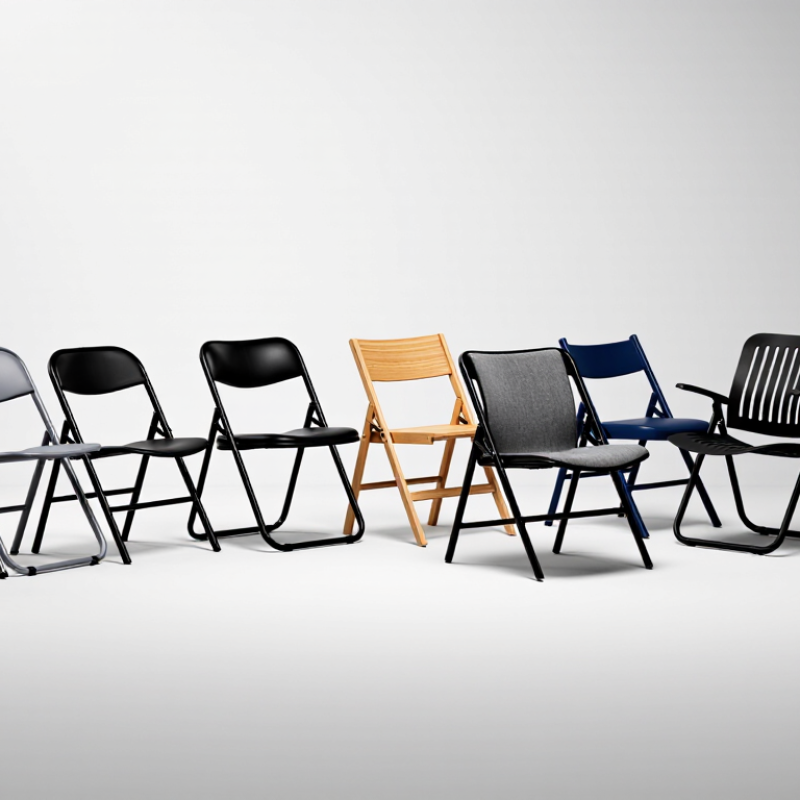
China Top 10 Folding Chairs Why They Break How to Prevent

China’s Top 10 Folding Chair Types: Materials, Uses, and Key Differences

China’s Top 10 Folding Chair Types: Materials, Uses, and Key Differences

China’s folding chair market serves homes, hotels, schools, offices, and outdoor events. A 2024 Grand View Research report estimates steady global growth in folding furniture, driven by compact storage and flexible spaces. The most common types include steel banquet chairs, aluminum outdoor chairs, plastic blow-molded chairs, resin event chairs, wooden folding chairs, padded conference chairs, training chairs, camping chairs, rocking chairs, and zero-gravity recliners. Steel offers strength and lower cost, but it adds weight and may rust near moisture. Aluminum is lighter and better for outdoor transport. Plastic resists spills, while wood provides warmth but needs tighter moisture control.

In practical inspections, hinges and locking pins deserve more attention than appearance. A chair can look strong but wobble after repeated folding. BIFMA seating standards use durability and stability testing, while EN 581 addresses outdoor seating safety and performance. These standards do not guarantee every product’s quality. Supplier testing records still matter. Grand View Research also links market demand to hospitality and temporary seating, where chairs face frequent handling. That pressure exposes weak welds quickly.

BIFMA Durability and stability testing
EN 581 Outdoor seating safety and performance

Tips: Check the load rating, hinge alignment, tube thickness, and floor contact points. Ask for cycle-test results, corrosion testing, and samples from current production. Sit, fold, and unfold each sample repeatedly. I once trusted a thick-looking frame too quickly; the thinner locking pin failed first. Small hardware matters. Avoid choosing only by price, because transport weight, repair frequency, and storage space can change the real cost.

How Folding Chairs Work: Hinges, Frames, Locks, and Load Paths

A folding chair works through a connected load path. Weight moves from the seat into the side rails, legs, hinges, and floor. The frame should spread this force instead of concentrating it at one joint. Hinges allow movement, but loose pins can create side-to-side play. Small gaps matter. A chair may feel stable during opening, then twist under a person’s weight.

Locks are equally important. A crossbar, latch, or folding brace must reach its full locked position before use. Dirt, bent metal, or worn holes can stop proper engagement. Check that both sides lock evenly. Never rely on a partial click. That is the weak point. In practical inspections, I press down gently on the seat and watch for shifting near each hinge. I also inspect cracked welds, stretched rivets, and sharp frame bends.

Prevention starts with correct opening and sensible loading. Keep all four feet flat on a firm surface. Avoid leaning back, standing on the seat, or placing heavy objects on one edge. Store chairs closed, dry, and supported without crushing the frame. Manufacturers should test repeated folding, uneven loading, and sudden movement, not only a static load. Users should still question the result. A perfect test does not reproduce every damaged hinge or careless setup. Replace parts only when their fit and strength are verified; otherwise, retire the chair.

Why Folding Chairs Break: Common Failure Modes Across the Top 10

Across the top ten folding chair designs, failure often begins at a small, stressed joint. Steel or aluminum tubing can buckle when its wall is too thin. Plastic seats may crack around screw holes after repeated loading. The hinge is another weak point. Dirt, loose rivets, and poor alignment create grinding movement.

During routine product inspections, I have seen a chair look stable while rocking on one uneven leg. That small defect can worsen under daily use. Some failures are sudden. Others announce themselves through squeaks, bent feet, or widening gaps.

Weld cracks commonly appear near hinges and leg supports because these areas carry repeated force. Loose bolts also allow the frame to twist instead of sharing weight evenly.

Fabric seats may tear where stitching meets the frame, especially after moisture weakens the fibers. Outdoor storage adds another problem: rust expands inside tubing and pushes joints apart. Direct sunlight can make certain plastics brittle.

A chair rated for a specific load can still fail when users drop into it or stand on the seat.

Prevention requires practical checks, not just visual confidence. Open and close each chair slowly, then inspect locks, rivets, welds, feet, and seat tension. Replace damaged hardware instead of tightening it repeatedly.

Keep hinges clean and lightly lubricated when suitable. Store chairs dry and away from harsh sunlight. I used to focus mainly on weight capacity, but that was incomplete.

User movement, uneven floors, and careless folding can matter just as much. One overlooked scrape may reveal deeper metal fatigue.

How to Evaluate Folding Chair Quality Before Buying

A folding chair can look sturdy in a product photo and still fail after a few uses. Before buying, inspect the frame in person or study clear close-up images. The tubes should feel rigid, with even welds and no sharp edges. Uneven welds often signal rushed production. Check every hinge and rivet for looseness. A small wobble matters.

Open and close the chair several times. The movement should feel controlled, not gritty or excessively loose. Confirm that the locking mechanism engages fully and stays secure when the chair is lifted slightly. Never rely only on a stated weight capacity. Compare that rating with the chair’s frame thickness, seat width, and hinge design. A thin seat may feel uncomfortable before it becomes unsafe.

Press the seat near its center and edges. It should resist sagging and return to shape. Examine stitching, fabric tension, and the connection between the seat and frame. Outdoor use requires corrosion-resistant hardware, but marketing language can be vague. Ask for specific material details and care instructions.

I once trusted a smooth finish too quickly. My mistake. It concealed a weak joint. A credible seller should provide assembly guidance, testing information, replacement-part support, and a clear warranty.

If these details are missing, pause before purchasing. A lower price is not a quality test.

How to Prevent Breakage Through Safe Use, Care, and Storage

Folding chairs usually fail when small warning signs are ignored. Loose hinges, bent legs, cracked seats, and missing fasteners can turn a stable chair into a sudden hazard. Inspect every chair before use, especially after transport or long storage. Check it every time. Do not guess.

Open the chair completely until the locking mechanism engages. Place all four legs on a firm, level surface. Never use a folding chair on stairs, uneven ground, or a slippery floor. Respect the stated weight limit, including heavy clothing, tools, or bags. Do not stand on the seat or lean far beyond the backrest. Keep fingers away from hinges while opening and closing. Children should use these chairs only with close supervision.

Clean dirt from joints with a dry or slightly damp cloth. Moisture left on metal parts can encourage corrosion, while harsh cleaners may weaken finishes or plastic components. Tighten approved fasteners carefully, but do not force damaged parts back into shape. Replace a chair when its frame is bent, the lock slips, or the seat fabric tears. I have seen people keep “almost usable” chairs for years. That judgment is risky.

Store chairs fully folded in a dry, ventilated room. Keep them upright or stack them evenly, without heavy objects pressing on top. Avoid garages with persistent dampness or direct sunlight. A storage check every few months helps reveal rust, warped parts, and brittle materials before the next event.

FAQS

What are the main types of folding chairs?

Common types include steel banquet, aluminum outdoor, plastic, resin, wooden, padded conference, training, camping, rocking, and reclining chairs. Each suits different spaces. Steel handles heavy use but weighs more. Aluminum is easier to transport outdoors. Plastic cleans quickly after spills. Wood feels warmer but needs dry storage.

Which folding chair material is best for outdoor use?

Aluminum usually works well because it is light and resists moisture better than untreated steel. Plastic also handles spills and simple cleaning. Keep every material away from standing water. Even aluminum can corrode around damaged joints.

How does a folding chair carry a person’s weight?

Weight moves from the seat into the rails, hinges, legs, and floor. A strong frame spreads force across several connection points. Loose hinges can create sideways movement. Small gaps matter. All four feet should touch a firm, level surface.

What should I inspect before buying folding chairs?

Check the load rating, hinge alignment, tube thickness, locking pins, welds, rivets, and floor contact points. Open and close the sample repeatedly. Press the seat gently and watch for shifting. Appearance alone can mislead you.

Why do folding chair locks sometimes fail?

Dirt, bent metal, worn holes, or poor alignment can prevent full locking. Both sides should engage evenly. Never trust a partial click. That is unsafe. A damaged latch needs proper replacement, not endless tightening.

What are common folding chair failure signs?

Watch for squeaks, widening gaps, cracked welds, loose bolts, bent feet, torn fabric, and uneven rocking. Plastic may crack around screw holes. Rust can expand inside outdoor tubing. One small scrape may signal deeper fatigue.

How can folding chairs be stored safely?

Store chairs closed, dry, and supported without crushing the frames. Keep them away from harsh sunlight and standing moisture. Do not stack them against unstable walls. Check hinges after long storage. Storage is easy to underestimate.

Is the cheapest folding chair the most economical choice?

Not always. Transport weight, repair frequency, storage space, and replacement parts affect the real cost. A low price may hide thin tubing or weak locking hardware. I once trusted a thick-looking frame too quickly. Its thinner locking pin failed first.

Conclusion

This guide explains the top 10 types of folding chairs in China by comparing their materials, typical uses, frame structures, weight capacity, portability, and comfort. It also describes how hinges, locking mechanisms, joints, and load paths work together to support a user. Understanding these parts makes it easier to identify quality differences before purchase, including stable frames, secure locks, reinforced connection points, smooth movement, and durable surface finishes.

The article also examines why do folding chairs break and how to prevent it. Common causes include overloaded seats, loose hardware, worn hinges, damaged welds, uneven floors, sudden impacts, moisture, and incorrect folding or storage. Breakage can be reduced through proper weight limits, regular inspections, careful handling, timely tightening or replacement of worn parts, and dry, protected storage. Choosing a chair suited to its intended environment and using it according to its design are essential for improving safety, service life, and reliable performance.

Sienna

Sienna

Sienna is a skilled marketing professional with a deep expertise in our company’s core products and services. With a passion for innovation and detail, she plays a pivotal role in crafting insightful blog posts that not only highlight the unique features of our offerings but also provide valuable......