How to Calculate Classroom Furniture Budget for 500 Students?

Time:2026-03-20 Author:Henry
0%

Calculating a classroom furniture budget for 500 students is essential for educational institutions. In recent years, studies show that a well-furnished classroom can improve student engagement by 15%. This figure highlights the impact of proper investment in furniture on learning environments.

When determining how to calculate classroom furniture budget for 500 students, several factors must be considered. These include the types of desks, chairs, and storage solutions needed. According to industry reports, the average cost for classroom furniture ranges from $200 to $400 per student. This means the total budget can vary significantly, depending on choices made.

It’s crucial to reflect on specific needs. Not all furniture fits every classroom layout. Some solutions may be too bulky or not adaptable. Identifying the requirements of different teaching styles can lead to more efficient use of resources. Being flexible and open to feedback can help create an optimal learning space.
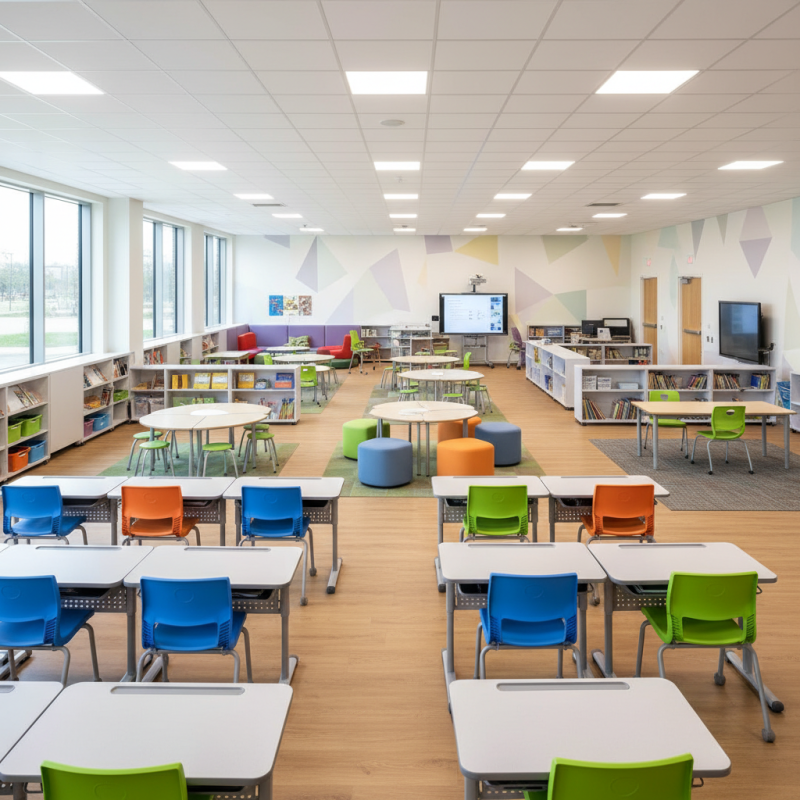
How to Calculate Classroom Furniture Budget for 500 Students?

Determine the Number of Furniture Pieces Needed for 500 Students

Determining the number of furniture pieces needed for 500 students involves careful planning. Start by considering classroom layouts. A standard classroom can accommodate around 25 students comfortably. This means you will need approximately 20 classrooms to serve 500 students.

Next, think about the essential items: desks, chairs, and storage units. Each student typically needs one desk and one chair. Therefore, you will require at least 500 desks and 500 chairs. Adding a 10% buffer for replacements and future growth is wise. This increases your total to about 1,100 desks and chairs.

Also, consider additional furniture. For group activities, you'll need tables, often accommodating 4-6 students. This could require around 100 tables based on common setups. Reports indicate that quality furniture can enhance both student engagement and academic performance. However, if not planned well, the budget can easily exceed expectations, leading to compromises on quality or the number of pieces. Each piece should be carefully selected based on durability and functionality.

Estimate Per-Seat Cost for Different Types of Classroom Furniture

When planning a classroom furniture budget for 500 students, estimating the per-seat cost is essential. Classroom furniture costs can vary widely based on materials and designs. For instance, traditional desks and chairs may average around $150 per set. In contrast, more advanced ergonomic furniture could rise to $400 per set. These costs can lead to a significant budget gap for schools.

One key tip is to prioritize your needs. Basic desk and chair sets might suffice for general classrooms. However, specialized rooms, like science labs, may need custom solutions. It's worth noting that some reports indicate up to 30% of budget overruns stem from choosing high-end furniture without proper justification.

Reflecting on options is crucial. A thorough needs assessment can save money. You might consider the lifespan of the furniture. Cheaper items may seem appealing, but they often lack durability. Choosing sturdy pieces can make sense financially over time. Peer-reviewed studies suggest that investing in quality furniture can improve student engagement by 20%.

Every decision impacts the overall budget. Always aim for a good balance between cost and quality. An informed choice today can lead to a better learning environment tomorrow.

How to Calculate Classroom Furniture Budget for 500 Students?

Furniture Type Per-Seat Cost ($) Total Cost for 500 Seats ($)
Student Desks 150 75,000
Chairs 100 50,000
Whiteboards 300 15,000
Storage Cabinets 200 10,000
Group Tables 250 12,500
Total Budget 162,500

Calculate Total Furniture Cost Based on Quantity and Seating Arrangements

Calculating a furniture budget for 500 students requires careful planning. Start by considering the types of furniture needed. Desks, chairs, and storage units are essential. Think about the seating arrangements as well. Will students sit in pairs, groups, or rows? Each setup affects the total number of pieces required.

Consider the space in classrooms. A standard desk and chair usually need about 4 square feet. Multiply this by the desired number of students in each room. For example, if you have 25 students per room, you'll need enough space for 100 square feet. This factor helps determine the types of furniture that can fit comfortably.

**Tip:** Always overestimate your budget slightly. Extra funds can account for unanticipated costs like delivery or assembly.

Also, assess the durability of the furniture. It’s essential to select items that withstand daily use. Cheaper options might save money upfront but could need replacement sooner. Finding the right balance between cost and quality can save funds in the long run.

**Tip:** Gather multiple quotes from suppliers. This allows you to compare prices and features easily, ensuring you make an informed decision.

Incorporate Additional Costs for Delivery, Installation, and Warranty

Calculating a budget for classroom furniture is more than just the price of the items. Delivery, installation, and warranty also play crucial roles. When budgeting for 500 students, these costs can add up quickly. Delivery fees depend on distance and volume. Consider local suppliers to reduce these costs. Sometimes, shipping fees can exceed furniture costs.

Installation is another key expense. Some entities offer free installation on large orders. Others charge a flat rate. If you're working with a limited budget, it’s wise to negotiate these terms. Additionally, warranties can save money in the long run. Cheap furniture might require replacements sooner. Always factor in warranty costs when comparing options.

Leaving out these additional expenses could lead to budget shortfalls later. Be mindful of the hidden costs. Rethink your selections before finalizing the budget. Unexpected fees can derail plans. Ensure that every aspect is considered for a realistic total. Thoughtful planning can lead to a well-furnished classroom serving 500 eager learners.

Review Budget Adjustments for Future Growth and Maintenance Needs

When budgeting for classroom furniture, it's crucial to consider future growth and maintenance needs. According to the National Center for Education Statistics, an average classroom serves about 25 students. For a school with 500 students, this means at least 20 classrooms need to be equipped. However, it's important to plan for potential increases. With projected enrollment growth of around 5% annually in many districts, adjusting budgets to account for future needs is essential.

Maintenance also plays a vital role in budgeting. Reports indicate that schools often spend 10-15% of their total facilities budget on furniture upkeep. This includes repairs, replacements, and updates to meet evolving educational standards. It's common for furniture to face wear and tear. Regular inspections can help identify issues early but involve costs and resource allocation. Balancing immediate needs with long-term sustainability in budgeting is a challenge.

Adjusting the budget to facilitate a flexible approach encourages proactive planning. Schools may need to allocate funds for innovative designs and materials that promote collaboration. Investing in quality furniture may reduce the frequency of replacements. Missteps occur when schools prioritize short-term savings over durable solutions. Creating a budget that accommodates growth and maintenance is not just practical; it's essential for creating effective learning environments.

FAQS

: How many classrooms do I need for 500 students?

: You will need approximately 20 classrooms, assuming each classroom accommodates about 25 students.

What furniture is essential for 500 students?

Each student needs one desk and one chair, totaling 500 desks and 500 chairs.

Should I include extra furniture for group activities?

Yes, consider around 100 tables for group activities, accommodating 4-6 students each.

Why is it important to plan for future growth?

Planning for growth can prevent overcrowding and ensure all students have the necessary furniture.

How much of a budget should I allocate for maintenance?

Allocate 10-15% of your total budget for furniture maintenance to handle repairs and replacements.

What happens if I don't budget carefully for furniture?

A poor budget may lead to compromises on quality or insufficient pieces for all students.

How can I ensure the furniture lasts longer?

Invest in quality materials to reduce the frequency of replacements and promote durability.

Is it wise to prioritize short-term savings?

Prioritizing short-term savings can lead to higher long-term costs and more frequent replacements.

How often should furniture be inspected?

Regular inspections can help identify wear and tear early, but they require time and resources.

What should I consider when selecting furniture?

Focus on durability and functionality that enhances student engagement and learning experiences.

Conclusion

In this article, we explore how to calculate classroom furniture budget for 500 students by outlining a systematic approach. The first step involves determining the number of furniture pieces required for effective seating arrangements, ensuring that each student is accommodated comfortably. Following that, an estimation of the per-seat cost for various types of classroom furniture is essential, as this will influence the overall budget.

Subsequently, we discuss how to calculate the total furniture cost by multiplying the number of pieces by their respective costs. It’s also crucial to incorporate additional expenses such as delivery, installation, and warranty to get a comprehensive budget. Finally, we recommend reviewing budget adjustments to account for future growth and maintenance needs, ensuring that the investment in classroom furniture remains sustainable and meets the evolving needs of the educational environment.

Henry

Henry

Henry is a dedicated marketing professional with a profound expertise in the company's offerings. With years of experience in the industry, he possesses an impressive understanding of the market dynamics and consumer behaviors that drive success. Henry is committed to sharing his insights through......