Finding the right school furniture manufacturer is a crucial task. The quality of furniture directly impacts student comfort and learning. Yet, many buyers struggle with how to find a reliable school furniture manufacturer.
Start by assessing your unique needs. Each school has different requirements based on size, style, and functionality. Engage with educators and administrators to gather valuable insights. Research can also help you narrow down your options. Look for manufacturers with a solid track record and positive testimonials.
It is essential to seek companies that prioritize durability and safety. This is especially true when it comes to children's furniture. Remember, the lowest price isn't always the best choice. Reflect on the long-term investment in quality. Building a relationship with a trustworthy supplier takes time and effort, but the benefits are worth it.
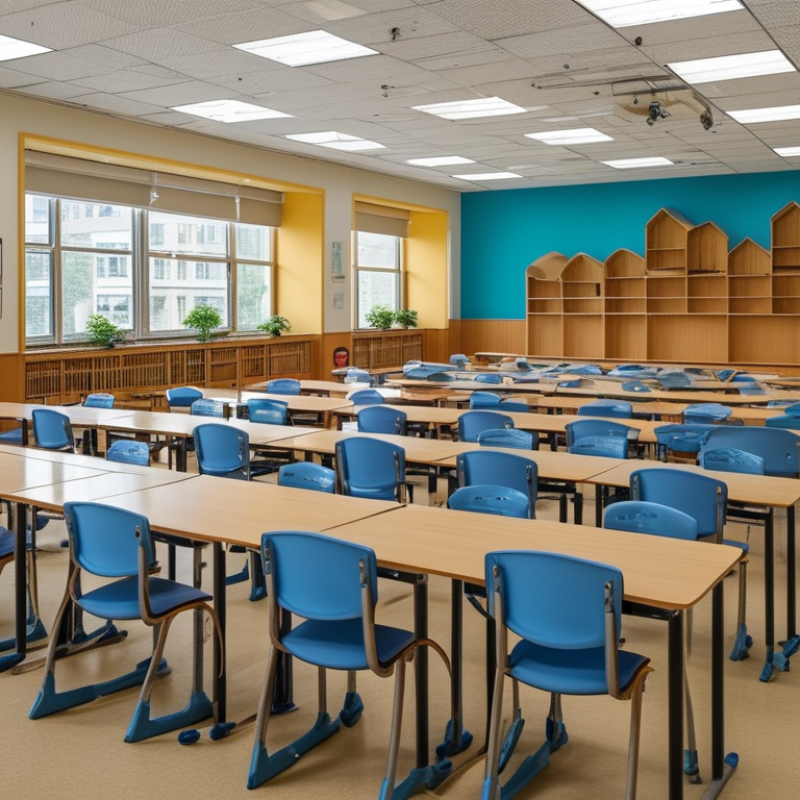
When researching the market for school furniture manufacturing, understanding industry trends is crucial. According to recent studies, the global market for educational furniture is projected to reach $30 billion by 2025. This growth highlights the increasing demand for quality furniture in educational settings. It reflects how essential it is for schools to invest in ergonomic and durable products to enhance student learning.
Key factors to consider include materials used in production. Sustainable materials have gained traction, as schools prioritize eco-friendliness. Reports show that over 60% of educational institutions are willing to invest more in furniture made from recycled or responsibly sourced materials. Additionally, assessing the manufacturer’s compliance with safety standards is vital. Learning environments must be safe, and using manufacturers who adhere to regulations ensures this.
Another important aspect involves customization options. Schools vary widely in their needs and preferences. A flexible manufacturer can offer tailored solutions. While many suppliers promote extensive catalogs, few may truly accommodate specific requests. This gap indicates the necessity for thorough evaluations before finalizing a partnership. The right manufacturer should not only provide high-quality products but also be willing to engage in dialogue about unique requirements.
When searching for a reliable school furniture manufacturer, it’s crucial to focus on quality materials and construction techniques. Different materials offer varying levels of durability and safety. For example, solid wood provides longevity and stability, while metal frames can enhance strength without sacrificing weight. Investigating the types of finishes is equally important. Some finishes might emit harmful chemicals, which can be a concern in an educational setting.
A key tip is to ask manufacturers about their sourcing standards. Are materials sustainably sourced? This not only impacts durability but also ethical responsibility. Look for signs of solid construction techniques, such as joint integrity and reinforcement methods. These factors contribute significantly to the overall longevity of furniture.
Finally, request samples if possible. Testing a sample before making a purchase can reveal hidden flaws. Observe how the furniture feels and looks. Is there noticeable wear after minimal use? Such details matter in a school environment. Opting for manufacturers who prioritize safety and quality in their production processes ensures that school environments remain conducive to learning and student engagement.
When evaluating furniture manufacturers for schools, credentials matter greatly. Certifications can showcase a company’s commitment to quality. Look for ISO certifications, which indicate adherence to international standards. These certifications ensure that the manufacturer maintains consistent quality and safety in their products.
Industry experience also plays a crucial role. A manufacturer with several years in the business understands the specific needs of educational institutions. They are likely to be familiar with the trends and requirements for school furniture. A manufacturer with a rich history can offer insight into sustainable practices and innovative designs that emerge from real-world experiences.
However, it's wise to reflect on the credentials presented. Not all certifications are equal; some may hold more weight in specific regions or industries than others. Likewise, years in business do not always translate to reliability. Consider testimonials and case studies. They can provide a clearer picture of how the manufacturer operates and meets expectations.
When selecting a school furniture manufacturer, customizing options is crucial. Tailored solutions can considerably enhance the learning environment.
Each school has unique needs based on its students, subjects, and teaching methods. Furniture should adapt to these requirements. For instance, flexible seating can encourage collaboration and engagement.
Consider how different elements can be tailored. Desks might need to fit various classroom layouts. Storage solutions should support diverse materials. Look for manufacturers who offer prototype testing. This allows you to evaluate how furniture interacts with your specific space.
Also, inquire about materials used. Durability is essential, but so is sustainability.
Remember, not all manufacturers will meet your unique standards. It’s vital to communicate your needs clearly. Some manufacturers may struggle to deliver on specific custom requests.
Be prepared for potential back-and-forth discussions. Prioritize research to identify those who excel in individualized solutions. A thoughtful approach will lead to better choices in your educational setting.
When investing in school furniture, understanding pricing and warranty is essential. Quality products often come with a higher initial cost but lead to long-term savings. A report by the National School Furniture Association indicates that durable furniture can last up to 10-15 years, reducing the need for frequent replacements. This statistic highlights the importance of evaluating cost-effectiveness rather than focusing solely on the lowest price.
Warranties play a crucial role in this investment. A solid warranty often reflects a manufacturer’s confidence in their products. For instance, warranties typically range from 5 to 10 years. Understanding the terms is vital—some might only cover specific defects or require proper maintenance. This oversight can lead to unexpected expenses down the line. It’s also critical to request warranty information upfront. Many manufacturers may not disclose this during initial discussions, leaving schools vulnerable to unanticipated costs later.
In addition to pricing and warranties, consider the manufacturer's reputation. Reviews and testimonials from other educational institutions offer insights into experiences beyond what warranties cover. Engaging with past clients can provide a clearer picture of service reliability and furniture performance in real school environments.
: The market is growing, expected to reach $30 billion by 2025, driven by demand for quality and ergonomic designs.
Materials affect durability and safety. Sustainable options are preferred, with over 60% of schools willing to invest more in eco-friendly furniture.
Check for compliance with safety standards. Certifications indicate adherence to regulations, ensuring a safe learning environment.
A flexible manufacturer provides tailored solutions. Many suppliers have catalogs, but few truly accommodate unique requests.
Look for durable materials and solid construction techniques. Testing samples reveals potential flaws before making a purchase.
ISO certifications indicate adherence to quality standards. Be cautious, as not all certifications hold the same value.
Experience helps manufacturers understand educational needs. However, years in business do not always mean reliability.
Inquire if materials are sustainably sourced. This impacts durability and reflects ethical responsibility.
Observe construction quality, such as joint integrity. Look for signs of wear after minimal use to predict durability.
They provide insight into a manufacturer’s operations and how they meet client expectations, beyond just claims.
Finding a reliable school furniture manufacturer is crucial for ensuring that educational environments are both functional and conducive to learning. To begin the process, it's essential to research the market, focusing on key factors such as the manufacturer’s reputation and the quality of materials used in production. Understanding various construction techniques can also help in identifying durable options that withstand daily use.
Moreover, evaluating the manufacturer's credentials, including certifications and industry experience, provides insight into their reliability. Customization options are another significant aspect to consider, as tailored solutions can meet specific educational needs. Lastly, it's vital to understand the pricing structures and warranty offerings to ensure that the investment reflects good value. By following these tips on how to find a reliable school furniture manufacturer, schools can create enriched learning spaces with quality furnishings.

Rimkok Furniture