Choosing the right stackable chairs can significantly enhance your storage options. Stackable chairs are ideal for spaces that require flexibility. According to the American Furniture Manufacturers Association, 70% of commercial spaces prefer modular furniture for efficient storage. However, this choice comes with challenges.
John M. Edwards, a renowned furniture design expert, emphasizes, "Selecting stackable chairs requires careful consideration of both style and functionality." This quote highlights the need for balance in aesthetics and practicality when making decisions.
In the context of how to choose stackable chairs for easy storage, factors like weight, material, and design play crucial roles. Lightweight chairs invite effortless stacking but must also be durable. Moreover, considerations about the intended space and frequency of use will dictate the best choice. It’s important to reflect on your specific needs and environment.
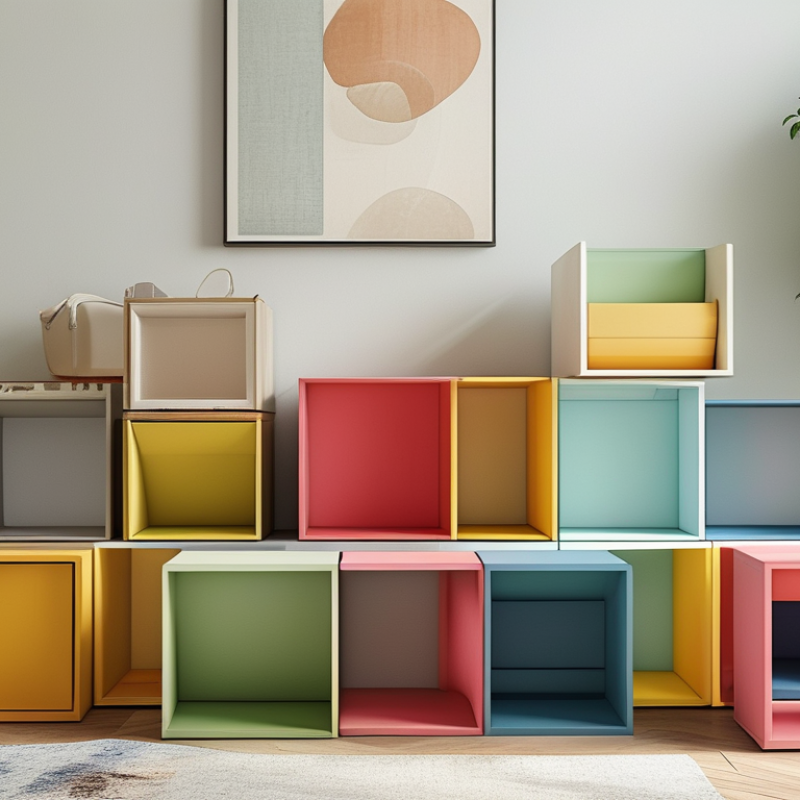
Stackable chairs are an excellent solution for those seeking to maximize space in various settings. They can significantly enhance both residential and commercial environments. According to a report by the American Institute of Architecture, 30% of urban spaces are underutilized and stackable chairs can help address this issue by providing flexible seating arrangements.
These chairs are particularly beneficial in multi-purpose spaces. When events wrap up, they can be neatly stacked away. This feature saves valuable square footage. Organizations often find that stacking chairs can reduce storage needs by up to 50%. For instance, events with large gatherings can benefit from easily deployable seating options that can be stored away effortlessly after use.
However, not all stackable chairs are created equal. Factors such as weight capacity and comfort should be considered. A survey by the International Furniture Society indicates that 40% of users prioritize comfort over style in stackable chairs. If comfort is overlooked, the chairs may not meet expectations. Reflect on how you use these chairs and choose options that fit your specific needs. The right choice can lead to both increased functionality and user satisfaction in any space.
When selecting stackable chairs, it's essential to focus on key features that enhance functionality and convenience. The overall design should promote easy handling and storage. Look for lightweight materials. This ensures effortless stacking and unstacking. Additionally, chairs should nest securely to maximize vertical space in your storage area. Some models may wobble or take up too much horizontal space. This can hinder effective storage solutions.
Durability is another crucial aspect. Chairs made from high-quality materials will withstand frequent use. Check for reinforced frames that resist bending or breaking. Upholstered options should feature easy-to-clean fabrics. Stains and wear can diminish the chair's lifespan. Comfort also plays a vital role. Many stackable chairs compromise on comfort, making long use uncomfortable. Some users find that the seat design doesn't support posture adequately.
Aesthetics matter, too. Choose a style that complements your space. Neutral colors offer versatility, but bolder choices can make a statement. However, striking a balance between style and practicality is important. Some trendy designs may sacrifice sturdiness. Always consider how frequently you'll use the chairs. This can help determine the best options for your needs. Looking closely at these features will lead to a more informed decision.
| Feature | Description | Importance |
|---|---|---|
| Material | Look for durable materials like metal or high-density plastic. | High durability ensures long-lasting use. |
| Weight Capacity | Check the maximum weight limit for safety. | Ensures the chair can accommodate various users. |
| Stacking Height | Consider how many chairs can be stacked and the height. | Maximizes storage efficiency. |
| Ease of Stacking | Look for designs that allow easy and stable stacking. | Saves time and effort during storage. |
| Comfort | Choose chairs with adequate padding and ergonomic design. | Promotes user comfort and satisfaction. |
| Weather Resistance | If used outdoors, ensure materials are weather-resistant. | Increases chair lifespan in outside conditions. |
| Aesthetic Appeal | Select colors and styles that match your space. | Enhances the overall look of the environment. |
When selecting stackable chairs, material plays a crucial role. Different materials offer unique benefits and drawbacks, impacting both comfort and durability. Metal chairs are renowned for their strength and ability to withstand heavy use. They are often used in commercial settings. However, they may not be the most comfortable option for longer seating times.
Plastic chairs are lightweight and easy to stack. Their vibrant colors and designs can brighten up any space. Yet, cheaper plastic options might not offer the same longevity as metal or wood. It is essential to consider the type of plastic used. High-quality polymers can resist fading and cracking, making them a worthwhile investment.
Wooden stackable chairs embody elegance. They provide warmth and a classic aesthetic. However, they're usually heavier and may require maintenance. Some might need to reflect on their choice if they prioritize space-saving over style. Each material has its pros and cons, and understanding them can lead to better decision-making for your seating needs.
When choosing stackable chairs, comfort and durability are essential factors. A study from The Journal of Ergonomics indicates that comfortable seating can enhance productivity by as much as 30%. Stackable chairs should have proper lumbar support to accommodate various body types. This is crucial for long events where guests may sit for extended periods.
Durability often depends on the materials used. Polypropylene frames resist wear, while metal options can offer robust support. According to industry reports, chairs made of high-quality materials can last seven years or more with proper use. Additionally, if a chair feels sturdy but is difficult to stack, reconsider its design. Oversized cushions may add comfort but can hinder storage capabilities.
It's also important to evaluate the chair's warranty. Many reputable manufacturers offer warranties ranging from two to ten years. An extended warranty often reflects confidence in product durability. If a chair has a short warranty, it could signify potential issues. Likewise, consider user reviews about comfort levels. Not all chairs are suitable for everyone, and personal preferences matter. Testing chairs in person can provide critical insights that online reviews might miss.
Maintaining stackable chairs requires attention to detail. Regularly check the legs and frames for any signs of wear or damage. Tighten loose screws promptly to avoid instability. A small wrench or screwdriver can do wonders in ensuring safety. Clean the surfaces regularly using a mild detergent. Avoid harsh chemicals as they may damage the finish.
Consider the material of the chairs when cleaning. For plastic, a damp cloth with soap suffices. For metal or wood, ensure no moisture lingers, which helps prevent rust or warping. When stacking, place a protective layer between chairs. This prevents scratches and keeps them looking new.
Occasionally inspect for misalignment. Stackable chairs should effortlessly nest together. If they do not, reassess stacking practices. You might discover buildup on the legs or sediment in the grooves. A periodic deep clean can avoid further complications. Regular maintenance enhances durability and keeps guests safe and comfortable.
: They maximize space in residential and commercial environments. They can enhance flexibility in seating arrangements.
Organizations can see storage reduction by up to 50%. This is especially useful for large gatherings.
Look at weight capacity, comfort, and material. Comfort is often more important than style for users.
Metal chairs are strong but may lack comfort. Consider those made with high-quality polymers for better durability.
Regularly check for wear, tighten screws, and clean with mild detergent. This extends their lifespan.
Yes, they require more maintenance. Reflect on whether you need style or practicality in your choice.
Use a damp cloth with mild soap. Avoid harsh chemicals that can damage the finish.
Check for misalignment and clean any buildup. Poor stacking can make them less functional.
Cheaper plastics may not last long. Consider the quality to avoid needing replacements soon.
It enhances durability and ensures safety. Neglect can lead to discomfort for guests in your space.
When considering how to choose stackable chairs for easy storage, understanding their benefits is essential. Stackable chairs provide significant space-saving solutions for various settings, allowing for efficient organization in both residential and commercial environments. Key features to look for include lightweight design, stability, and easy maneuverability, which contribute to their convenience.
Popular materials such as plastic, metal, and wood each offer unique advantages in terms of style and durability. Furthermore, assessing comfort is crucial; well-padded chairs can enhance the user experience. Finally, proper maintenance and care practices, such as regular cleaning and inspections, help to prolong the lifespan of stackable chairs, ensuring they remain a functional and aesthetic seating solution for years to come.

Rimkok Furniture