Choosing the right auditorium seating for small spaces can be a challenging task. As industry expert Claire Johnson once said, "Optimal seating transforms a small space into a functional masterpiece." When working with limited dimensions, every choice matters. The right seating can enhance both comfort and visibility, ensuring everyone enjoys the experience.
In smaller venues, flexibility is key. For example, modular seating can adapt to various configurations. Consideration must be given to aisle space and seat accessibility. Engaging the audience requires understanding how to arrange seats for optimal sightlines.
While functionality is important, aesthetics should not be overlooked. The seating should align with the venue's overall design. Reflecting on your choices will help refine your vision. By finding a balance between practicality and style, you unlock the potential of any small auditorium.
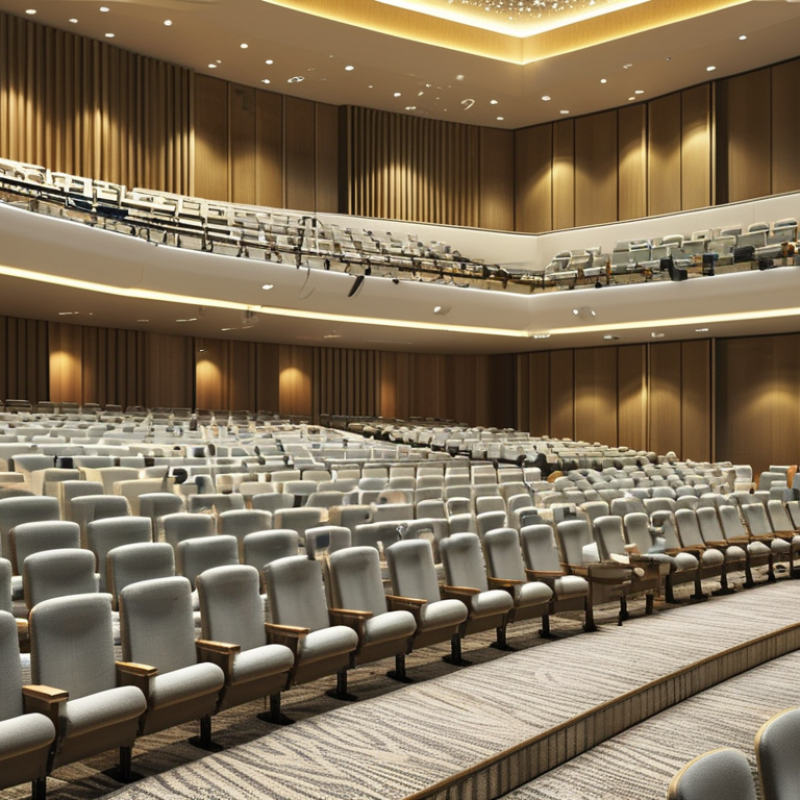
Choosing the right auditorium seating for small spaces requires careful consideration. One critical factor is the layout. According to a report by the Event Industry Council, an efficient seating arrangement can increase the audience capacity by 25% in smaller venues. You may need to explore flexible seating options. These can adapt to various event types, promoting versatility.
Comfort is another vital aspect. Research from the Seating Industry Association indicates that comfortable seating increases attendee satisfaction by 70%. Look for ergonomic designs that support long periods of sitting. Choose materials that are durable yet easy to clean. This choice reflects on user experience over time.
Accessibility should also be a priority. The Americans with Disabilities Act (ADA) mandates suitable accommodations. It's essential to ensure pathways and seating for individuals with disabilities. Ignoring these factors can lead to a less inclusive environment. Always consider how choices affect audience engagement and overall event success.
When selecting auditorium seating for small spaces, understanding the types available is crucial. Stackable chairs are a favored option for their versatility. They can be easily stored when not in use. This transforms your space for diverse activities. A study by the American Institute of Architects noted that flexible seating arrangements can increase functionality in small venues by up to 30%.
Another suitable choice is folding chairs. These are lightweight and can be moved around with ease. They offer a quick solution for temporary setups, making them ideal for unexpected events. However, reliability is a key factor. A report from the International Facility Management Association indicated that poorly maintained folding chairs have a failure rate of 15%. Users may experience discomfort if the chairs are not adequately cared for.
Lastly, consider fixed seating that can be installed in a staggered formation. This maximizes sightlines and optimizes available space. The National Association of Theatre Owners found that proper row spacing enhances audience comfort by 20%. Yet, fitting fixed seats in small areas can be challenging, requiring precise measurements and planning to avoid crowding. Balancing comfort, aesthetics, and practicality is vital for effective auditorium design in limited areas.
| Tip No. | Tip Description | Seating Type | Special Features |
|---|---|---|---|
| 1 | Evaluate available space and dimensions. | Foldable Seats | Space-saving and easily stored. |
| 2 | Consider seating arrangement flexibility. | Stackable Chairs | Can be stacked vertically for storage. |
| 3 | Prioritize comfort for extended use. | Padded Seats | Enhanced cushioning for comfort. |
| 4 | Check for durability and materials. | Metal Frame Chairs | Long-lasting and sturdy. |
| 5 | Plan for accessibility requirements. | Multi-functional Seats | Accommodates various needs. |
| 6 | Opt for lighter options for easy handling. | Plastic Chairs | Lightweight and easy to move. |
| 7 | Consider aesthetic appeal and decor. | Designer Chairs | Stylish and modern designs. |
| 8 | Assess potential for future needs. | Adjustable Seats | Can be modified for various users. |
| 9 | Incorporate technology options if needed. | Seats with Built-in Outlets | Convenient charging options. |
| 10 | Consult with a seating specialist for best fit. | Custom Seating Solutions | Tailored to specific space needs. |
Choosing auditorium seating for small spaces requires a deep understanding of space optimization. Start by measuring the area accurately. This helps in knowing how many seats can fit without overcrowding. Consider the layout; a staggered arrangement can create better sightlines. This approach enhances the audience's experience, even in limited space.
Focus on versatility. Chairs that can be easily moved or reconfigured provide flexibility for various events. Think about the type of events you will host. Some may require fixed seating, while others benefit from modular options. Pay attention to the rows; ensure they are not too close together. This spacing can make the environment feel cramped and uncomfortable.
Acoustic considerations are vital. Sound quality can be affected by how seating is arranged. Use materials that absorb sound to improve clarity. It’s essential to factor in accessibility as well. Ensure routes are clear for people with mobility challenges. Reflect on how each decision impacts comfort and functionality.
Balancing aesthetics with practical needs is challenging but necessary in small spaces.
When selecting auditorium seating for small spaces, material and comfort are crucial factors. The right material can significantly enhance the user experience. Look for fabrics that are durable yet breathable. Upholstered seats provide comfort during long events. However, they can be harder to maintain. Vinyl options may be easier to clean but can lack comfort.
Comfort in seating is vital for engagement. Chairs should have adequate cushioning and proper lumbar support. Consider the seating layout. A staggered arrangement can improve sightlines and personal space. Yet, this setup can complicate direct access. Be mindful of this trade-off.
Creating a cozy atmosphere often requires thoughtful planning. Lightweight chairs can be easy to move, but they may compromise stability. Choose a balance between aesthetics and functionality. Clarity in the overall design can create harmony with the surrounding space. Evaluate the environment and audience needs carefully.
When choosing auditorium seating for small spaces, budgeting plays a crucial role. The challenge lies in balancing comfort and cost. According to a report from the International Facilities Management Association, nearly 50% of organizations face budget constraints when upgrading seating. It's essential to understand that higher costs do not always equate to better quality.
Analyzing space needs helps prioritize seating choices. For instance, a compact design can reduce costs by allowing more seats without overcrowding. The average spending per seat ranges from $100 to $300. A study by the American Seating Association suggests that selecting versatile, adjustable seating can enhance space efficiency.
Cost-effective options include durable materials that withstand frequent use. Consider seating that can be reconfigured for different events. This flexibility can save funds in the long run. However, reflecting on the importance of prioritizing quality over price is crucial. Cost-cutting may lead to frequent replacements and increased long-term expenses.
: Stackable chairs are versatile and easy to store. They allow for diverse activities in limited spaces.
Folding chairs are lightweight and easy to move. They provide quick solutions for unexpected events.
The failure rate stands at 15%. Users may feel discomfort if these chairs are not cared for properly.
Staggered fixed seating maximizes sightlines. It enhances audience comfort by up to 20%.
Nearly 50% of organizations face budget constraints. Balancing comfort with cost is often difficult.
The average spending per seat ranges from $100 to $300. This can vary based on design and materials.
Compact designs allow for more seats without overcrowding. This can lead to overall cost savings in small venues.
It's important to prioritize quality over price. Cost-cutting may lead to more frequent replacements and higher long-term costs.
Flexible seating options can be reconfigured for various events. This adaptability savors funds over time.
Precise measurements and planning are essential. Poor planning can lead to overcrowding and decreased comfort.
Choosing the right auditorium seating for small spaces requires careful consideration of several key factors. Firstly, it's important to evaluate the layout and dimensions of the area to understand how to optimize the space effectively for an efficient seating arrangement. Different types of seating—such as folding chairs, stackable options, or modular systems—can be suitable based on the specific needs of the venue. Comfort and material quality also play crucial roles, as they impact the audience's overall experience.
Additionally, budgeting is essential when planning for auditorium seating in limited areas. It's vital to strike a balance between cost-effectiveness and ensuring high standards in material and comfort to enhance the usability of the space. By integrating these considerations, one can successfully navigate how to choose the right auditorium seating for small spaces, ultimately creating an inviting and functional environment for audiences.

Rimkok Furniture