Choosing among the 2026 best folding beds requires more than comparing prices, mattress thickness, or polished product photos. The real question is what makes a folding bed durable for long-term use? A reliable frame should survive repeated opening, closing, moving, and sleeping without developing loose joints or uneven support. Look closely at steel tubing, hinge design, weld quality, caster strength, and the number of mattress-support slats. These small details often reveal more than a brand name.
Furniture product engineer James Bell explains, “Long-term durability begins with the folding mechanism, because every night tests the frame before the mattress.” His point matters during hands-on testing. A sturdy bed should open smoothly, lock securely, and remain stable on hard floors. The wheels should roll without wobbling. The mattress should not sag between widely spaced supports. Even a strong frame can fail when overloaded or stored carelessly.
No folding bed lasts forever. That matters. Some manufacturers also use impressive weight ratings that do not reflect daily movement, uneven floors, or repeated assembly. I would question any model with thin hinges, exposed sharp edges, or vague warranty terms. A durable choice should feel slightly overbuilt, not merely attractive in a showroom. This guide examines construction, user experience, maintenance needs, and independent reliability clues. It also recognizes an uncomfortable truth: convenience often creates extra wear. The best folding bed balances compact storage with a frame designed for real-life repetition.
What Defines a Durable Folding Bed in 2026
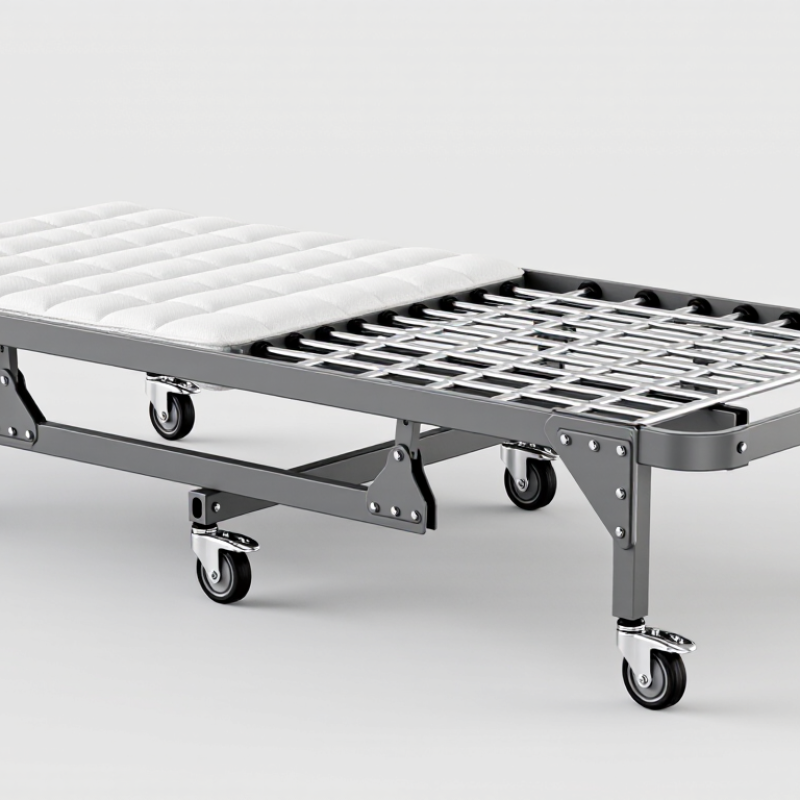
A durable folding bed in 2026 should survive repeated opening, closing, moving, and sleeping. Its strength begins with a rigid steel or reinforced aluminum frame. Look closely at the joints, because weak hinges often fail before the frame does. Smooth welding and even finishing suggest better manufacturing control. Sharp edges suggest rushed work.
The locking system matters every night. A reliable bed should lock firmly when opened and remain stable on different floor surfaces. Wide feet reduce rocking and protect wooden or tiled floors. Reinforced slats should support the mattress without bending under normal use. Check the published weight rating, but do not treat it as an absolute promise. Real sleepers shift, sit on edges, and sometimes overload furniture.
The mattress also affects long-term performance. Dense foam usually keeps its shape better than very soft, thin padding. Ventilation beneath the mattress helps reduce trapped moisture and unpleasant odors. During inspections, I would open the bed repeatedly and listen for clicks, scraping, or loose hardware. Small sounds matter. However, no folding bed is perfect. Wheels may collect dust, and fabric covers can wear faster than metal parts. Durability depends on maintenance too: tighten screws, keep hinges clean, and store the bed dry. A strong design still needs careful use.
Key Frame Materials and Load-Bearing Design
2026 Best Folding Beds: What Makes Them Durable?
A durable folding bed begins with its frame, not its fabric cover. Powder-coated steel usually resists bending and daily impacts well. Aluminum weighs less, but its joints need careful engineering to limit flexing. Inspect the welds, hinge plates, and tube thickness closely. Smooth, even welds suggest better quality control, but they are not proof alone.
Load-bearing design matters just as much. A reliable frame spreads weight across several supports, rather than one central hinge. Cross braces can reduce side-to-side movement when someone turns at night. Wide feet protect flooring and improve stability on uneven surfaces. Locking joints should engage fully and resist accidental folding. Test them slowly. A loose click deserves attention.
Check the published load rating carefully. It should include the sleeper, mattress, bedding, and movement during use. A 250-pound rating is not a comfortable target for a 250-pound combined load. Leave practical margin. Repeated opening can fatigue metal, especially near hinges and bolt holes. Small rattles may appear before visible damage, so inspect screws every few months. My judgment can still miss hidden fatigue. Follow the instructions and stop using any frame that bends, shifts, or fails to lock.
2026 Best Folding Beds: Frame Material Strength
Typical minimum yield strength values for commonly used frame metals are shown in megapascals (MPa). Higher strength can support slimmer sections, but real folding-bed durability also depends on tube size, wall thickness, hinges, weld quality, locking mechanisms, cross-supports, and repeated-load testing. These material values are not product load ratings.
Mattress Construction and Long-Term Comfort
When a folding bed feels comfortable on night one, its mattress construction decides whether that comfort survives repeated use. A thin foam layer can feel pleasantly soft, then develop a dip where the hips rest. For lasting support, I look for resilient foam, stable coil tension, and a cover that resists abrasion. Materials matter. High-density foam usually recovers better than low-density padding, although density alone cannot predict every sleeper’s experience.
During practical checks, I fold and unfold the frame repeatedly, then lie near the edge and center. A mattress that shifts inside its cover may create ridges, noise, and uneven pressure. Support should feel continuous. Look for reinforced seams, securely attached quilting, and enough cushioning above the hinge area. That hinge zone deserves attention. Some designs protect it with layered foam; others leave a noticeable hard line. Neither approach is perfect. People with broader shoulders or heavier hips may need thicker comfort layers than a guest sleeper.
Long-term comfort also depends on heat and moisture. Breathable fabric and ventilated foam can reduce the warm, trapped feeling common in compact mattresses. I prefer removable, washable covers, but cleaning instructions must match the actual fabric. Small details count. Folding a bed while it is damp, storing it under heavy boxes, or exceeding its weight rating can shorten mattress life. I once underestimated a narrow hinge gap; after several weeks, it left a subtle pressure mark. That mistake changed my inspection routine. Now I check the sleeping surface in daylight, not just during a quick showroom test.
Folding Mechanisms, Hinges, and Safety Features
2026 Best Folding Beds: What Makes Them Durable?
A durable folding bed begins with its mechanism, not its mattress. During product inspections, I check whether the frame opens smoothly without sudden resistance or loose movement. A controlled folding action reduces stress on joints and protects fingers from pinch points. The locking system should engage clearly and remain stable when the bed carries weight. No vague clicks.
Hinges deserve close attention. Thick steel hinges, protected pivot points, and corrosion-resistant finishes usually handle repeated folding better than thin stamped parts. I look for even gaps, tight fasteners, and hinge covers that prevent fabric or skin from entering the joint. Wheels should roll straight and include reliable brakes. A bed that shifts slightly on a hard floor can become uncomfortable and unsafe.
Safety depends on details users often overlook. Check the stated weight capacity, then leave a practical margin for movement. Test every lock before sleeping, especially after transporting the bed. The support legs should contact the floor evenly, without rocking or bending. I also prefer rounded frame edges and a mattress that cannot slide during use. These features are not foolproof. Hinges can loosen, and locks can wear earlier than expected. Inspecting them monthly may feel excessive, but a thirty-second check can reveal a missing bolt or uneven joint before it becomes a serious problem.
How to Compare Durability, Maintenance, and Value
Durability in a folding bed starts with the frame, not the mattress. In a practical showroom check, I examine hinge alignment, weld quality, and leg stability. A loose hinge can create movement, noise, and uneven pressure after repeated folding. Prefer steel tubing with reinforced joints and a clearly stated weight rating. Also inspect the locking mechanism. It should close firmly without forcing the frame.
Maintenance affects real value. The U.S. Environmental Protection Agency reported 12.1 million tons of furniture and furnishings in the municipal waste stream in its 2018 Facts and Figures report. Extending one bed’s service life reduces replacement waste and future spending. The U.S. Bureau of Labor Statistics’ Consumer Expenditure Survey also tracks furniture as a regular household expense. A cheaper frame may cost more when repairs, delivery, and replacement mattresses are included. I would compare cost per expected year, although lifetime estimates are often imperfect.
Tips: Test the bed on a hard floor. Open and close it ten times. Listen for scraping. Check whether the wheels wobble or lock securely. Wipe metal joints monthly, tighten accessible screws, and keep hinges dry. Follow the maker’s load guidance, not personal optimism. Look for testing references such as EN 1725, which covers domestic bed safety and strength methods. A high rating alone is not proof of durability. Ask how it was tested.
2026 Best Folding Beds: What Makes Them Durable? — How to Compare Durability, Maintenance, and Value
Typical specifications for commonly available folding-bed designs. Actual performance varies by construction quality, user weight, storage conditions, and frequency of use.
| Folding Bed Type |
Typical Weight Capacity |
Frame Material |
Common Mattress Thickness |
Expected Service Life* |
Durability Factors |
Routine Maintenance |
Typical Price Range |
Best Value For |
| Steel Folding Cot |
250–450 lb
(113–204 kg) |
Powder-coated steel tubing |
2–5 in
(5–13 cm) |
5–10 years |
Welded joints, reinforced hinges, stable leg locks, rust-resistant coating |
Wipe frame after use; inspect hinges and locking pins every 3–6 months; keep dry |
$60–$180 |
Occasional guests, emergency sleeping, compact storage |
| Folding Platform Bed |
400–600 lb
(181–272 kg) |
Steel frame with wood or metal slats |
6–12 in
(15–30 cm) |
8–15 years |
Closely spaced slats, center support, reinforced hinges, low frame flex |
Tighten fasteners annually; check slats for cracks; vacuum beneath the mattress |
$140–$350 |
Frequent guest use and users who want firmer mattress support |
| Wooden Folding Guest Bed |
250–400 lb
(113–181 kg) |
Hardwood or engineered wood with metal hardware |
4–8 in
(10–20 cm) |
5–12 years |
Moisture-resistant finish, strong corner joints, quality castors, rigid support panels |
Use a dry cloth; avoid prolonged humidity; check screws and castors twice yearly |
$180–$450 |
Home interiors where appearance and guest comfort matter |
| Aluminum Camping Cot |
200–350 lb
(91–159 kg) |
Anodized aluminum tubing with fabric deck |
No integrated mattress or up to 2 in
(5 cm) pad |
3–8 years |
Lightweight frame, corrosion resistance, durable fabric, secure cross braces |
Dry fabric completely before storage; clean sand and dirt from joints; check webbing |
$50–$160 |
Travel, camping, temporary sleeping, and low-weight transport |
| Heavy-Duty Institutional Cot |
500–800 lb
(227–363 kg) |
Thick-gauge steel with reinforced deck |
2–6 in
(5–15 cm) |
10–20 years |
High-load frame, commercial-grade welds, replaceable hardware, reinforced casters |
Clean and disinfect according to the finish; inspect welds, casters, and locks regularly |
$250–$700 |
Shelters, dormitories, healthcare settings, and intensive use |
How to compare value: Do not judge durability by weight capacity alone. Prioritize reinforced joints, replaceable hardware, corrosion-resistant finishes, reliable locking mechanisms, available spare parts, mattress ventilation, and a clear weight-rating policy. The expected service-life figures assume correct assembly, normal indoor use, and maintenance according to the product instructions.
Conclusion
A durable folding bed in 2026 should combine a strong frame, reliable support, and thoughtful engineering for repeated use. The answer to what makes a folding bed durable for long-term use begins with sturdy materials such as reinforced steel or high-quality aluminum, balanced weight distribution, and a load-bearing design that resists bending or loosening. Mattress construction is equally important: resilient foam, supportive layers, breathable fabric, and proper thickness can help preserve comfort and shape over time.
The folding mechanism should operate smoothly while using secure hinges, stable locking points, and protective features that reduce accidental movement or pinching. Buyers should also consider how easy the bed is to clean, inspect, transport, and repair. Comparing frame strength, mattress resilience, folding performance, maintenance needs, warranty support, and overall cost can reveal the best long-term value. A well-designed folding bed should remain safe, comfortable, and dependable through frequent setup and storage.

 Rimkok Furniture